


Gas or Electric Water Heater? 4 Simple Ways to Identify Your Home's System
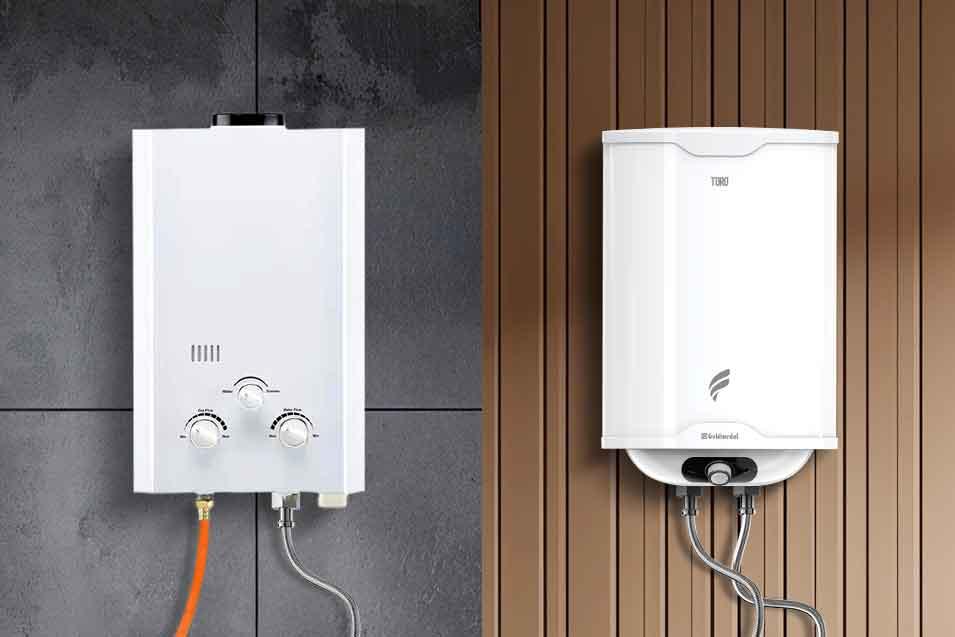
Knowing whether your home has a gas or electric water heater is important for understanding its operation, maintenance requirements, and potential repair needs. Many homeowners move into a new property without knowing which type of water heating system is installed. Fortunately, identifying the system does not have to be complicated.
Gas and electric water heaters may look similar from the outside, but there are several noticeable differences that can help you identify them.
1. Examine the Top of the Water Heater
One of the easiest ways to identify a gas water heater is to look at the top of the tank. Most conventional gas models have an exhaust vent that carries combustion gases outside the home. Electric water heaters generally do not require this type of exhaust vent.
Instead, an electric model usually has a heavy electrical cable connected to its power supply.
2. Check the Bottom and Sides
A gas water heater typically has a gas supply pipe near the bottom, along with a temperature control assembly and pilot light access on many conventional models.
Electric water heaters usually have one or two rectangular metal access panels on the side. These panels cover the heating elements and thermostats.
3. Read the Manufacturer's Label
The information sticker on your water heater can provide a reliable indication of its fuel source. Gas models commonly mention natural gas or propane and list their capacity in BTUs.
Electric models typically display voltage and wattage information, often including a 240-volt electrical specification.
4. Look at the Electrical Breaker Panel
An electric storage water heater commonly uses a dedicated double-pole circuit breaker. A gas water heater may also require electricity for its controls, ignition system, or power vent, so the breaker panel should not be your only identification method.
Gas vs. Electric Water Heaters: What Is the Difference?
Both systems provide hot water, but they operate differently. Gas water heaters use a burner to heat water, while electric models use heating elements.
Gas systems can heat stored water relatively quickly and may have lower operating costs in areas where natural gas is affordable. Electric models often have simpler installation requirements when an appropriate electrical circuit is already available.
Electric water heaters also avoid combustion-related risks inside the appliance. However, both systems require proper installation, maintenance, and safety inspections.
When Should You Contact a Professional?
If your water heater is producing cold water, leaking, making unusual noises, or showing signs of malfunction, professional inspection may be necessary. Gas-related problems should never be handled by experimenting with gas connections or ignition components.
To understand the four identification methods in greater detail, read this helpful guide on how to tell if your water heater is gas or electric.
Homeowners who need professional assistance can also explore water heater repair services from The Plumb Hero.
Understanding your water heater is a practical first step toward better maintenance, safer operation, and informed repair or replacement decisions.

 English
 Arabic
 French
 Spanish
 Portuguese
 Deutsch
 Dutch
 Italiano
 Russian
 Romaian
 Portuguese (Brazil)
 Greek