


How the Right Dental Instruments Improve Treatment Quality and Patient Care
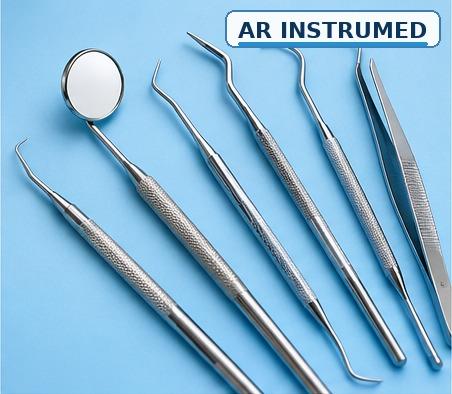
Modern dentistry depends on accuracy, proper techniques, and reliable equipment. Whether a dentist is performing a routine examination or a more complex procedure, the quality of the instruments being used can make a noticeable difference. Well-designed dental tools help professionals work with greater control while supporting patient comfort and clinical efficiency.
Choosing suitable instruments is not simply about having a complete dental kit. It involves understanding the purpose of each tool, its material, functionality, and suitability for different procedures. From diagnostic tools to surgical equipment, selecting dependable dental instruments helps create a more organized and effective dental practice.
1. Understanding the Importance of Quality Dental Instruments
Dental instruments are essential tools used in examinations, preventive care, restorative treatments, and surgical procedures. Each instrument has a specific function, and using the correct one allows dental professionals to complete tasks more accurately. Poor-quality or unsuitable equipment may affect handling, reduce efficiency, and make certain procedures more difficult.
Reliable instruments should offer a practical balance of strength, precision, comfort, and durability. Their design should support controlled movements and allow professionals to perform procedures confidently. Investing in quality equipment can also help dental practices maintain consistent working standards over time.
2. Different Types of Instruments Used in Dentistry
Dental practices use several categories of instruments depending on the treatment being provided. Diagnostic instruments, such as mirrors, probes, and explorers, help dentists examine teeth and identify possible oral health concerns. Restorative tools are used for procedures involving fillings and other treatments, while surgical instruments support more specialized clinical work.
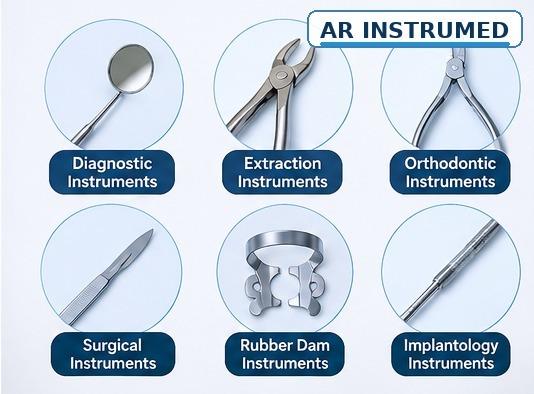
Other important categories include dental surgical instruments, orthodontic tools, and extraction instruments. Each group is designed for particular clinical requirements, so understanding their individual uses is important when building a professional dental setup. Having suitable tools available helps dental teams prepare for different procedures more efficiently.
3. Why Precision Matters During Dental Procedures
Accuracy is an important part of almost every dental treatment. Even routine procedures require controlled movements and appropriate instruments to achieve the intended results. Tools with suitable shapes, balanced weight, and comfortable grips can help professionals maintain better control during detailed clinical work.
Using precision dental instruments can also support a smoother workflow by making instruments easier to handle for their intended purposes. However, precision does not depend on equipment alone. Professional training, proper techniques, and careful patient assessment remain essential for achieving safe and effective treatment outcomes.
4. Material and Design: What Should Professionals Consider?
The material used to manufacture dental instruments plays an important role in their performance and lifespan. Stainless steel is commonly used because of its strength, corrosion resistance, and suitability for repeated cleaning and sterilization when properly maintained. The quality of the material and the manufacturing process can influence how well an instrument performs over time.
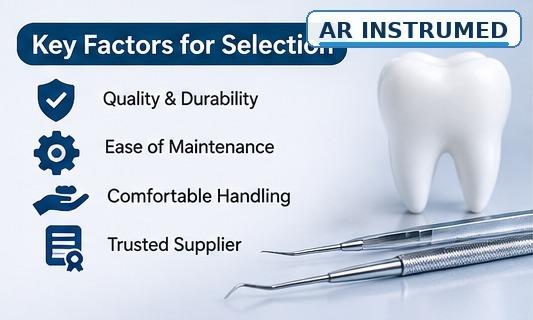
Design is equally important. Handles should provide a comfortable grip, while working ends should be shaped according to the instrument's intended function. Dental professionals should consider balance, ease of handling, construction quality, and compatibility with their clinical requirements before selecting new equipment.
5. Maintaining Hygiene Through Proper Instrument Sterilization
Infection prevention is a fundamental responsibility in every dental practice. Instruments that are used between patients must go through the appropriate cleaning, disinfection, packaging, and sterilization procedures according to applicable clinical guidelines. Proper processing helps reduce the risk of cross-contamination and supports a safer treatment environment.
A consistent dental instrument sterilization routine should include following the manufacturer's instructions and the relevant infection-control standards. Instruments should also be inspected regularly for corrosion, damage, or signs of wear. Proper storage after sterilization helps protect equipment until it is needed for the next procedure.
6. Selecting Instruments According to Clinical Needs
Every dental practice has different requirements based on the treatments it provides. A general dental clinic may need a wide range of diagnostic and restorative tools, while a specialist practice may require more specific orthodontic or surgical equipment. Selecting instruments according to actual clinical needs helps avoid unnecessary purchases and supports better organization.
Before purchasing equipment, professionals should review the instrument's intended use, construction, dimensions, and maintenance requirements. It is also useful to consider whether replacement parts or suitable alternatives are available. Exploring a dependable range of professional dental tools can help practitioners make informed decisions for their clinics.
7. The Role of Reliable Instruments in Everyday Practice
Dental instruments are used repeatedly, often throughout a busy working day. Equipment that is comfortable to handle and suitable for its intended purpose can help dental professionals maintain an efficient routine. Well-organized instrument sets also make it easier for dental teams to prepare treatment areas and access the tools they need.
Durability is another important consideration. Instruments made with appropriate materials and maintained according to recommended procedures can provide reliable service over time. Choosing dependable products from a quality-focused supplier such as AR Instrumed can help dental professionals explore equipment suited to their clinical requirements.
8. Making Quality and Safety a Long-Term Priority
Selecting dental instruments should be viewed as an ongoing part of maintaining a professional practice. As treatment methods and clinical requirements change, dental teams may need to review their existing equipment and identify areas where improvements are necessary. Regular inspections can help determine whether instruments remain suitable for continued use.
Quality should always be considered alongside safety, functionality, and maintenance. Dental professionals should follow relevant standards, manufacturer recommendations, and workplace infection-control procedures when purchasing and using equipment. A thoughtful approach to instrument selection helps support consistent clinical routines and a better experience for patients.
Frequently Asked Questions
1. Why are quality dental instruments important?
They support accurate handling, reliable performance, and efficient dental procedures when used correctly.
2. What materials are commonly used for dental instruments?
Stainless steel is widely used because of its strength and corrosion resistance. Other materials may be used depending on the instrument's design and purpose.
3. How often should dental instruments be sterilized?
Reusable instruments must be processed between patients according to the manufacturer's instructions and applicable infection-control guidelines.
4. What should dentists consider before purchasing instruments?
Important factors include intended use, material quality, design, durability, ease of handling, and maintenance requirements.
5. Where can professionals explore dental instruments?
Dental professionals can explore specialist suppliers such as AR Instrumed to find instruments suited to different clinical requirements.
Conclusion
The right dental instruments contribute to accurate procedures, organized workflows, and professional patient care. From selecting suitable materials to following proper sterilization practices, every detail matters when maintaining a dependable dental setup. Dental professionals should focus on equipment that meets their clinical needs and can be maintained according to recommended standards.
By making informed purchasing decisions and reviewing equipment regularly, dental practices can build a more reliable working environment. Exploring quality-focused suppliers such as AR Instrumed is one way to discover dental and medical instruments designed with precision, durability, and practical performance in mind.

 English
 French
 Spanish
 Portuguese
 Deutsch
 Turkish
 Dutch
 Italiano
 Russian
 Romaian
 Portuguese (Brazil)
 Greek