


Understanding Material Quality and Functionality in Automotive Press Tool Manufacturing
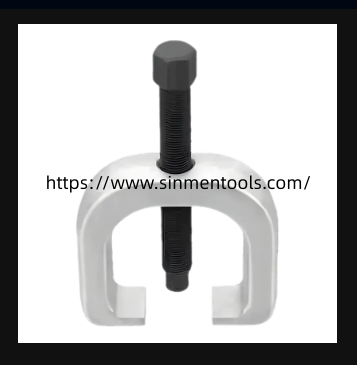
Automotive suspension systems contain various components designed to absorb vibration, support movement, and maintain stable connections between different parts of a vehicle. Bushings are particularly important because they help reduce unwanted friction and isolate vibrations during driving. When these components become worn, replacement requires suitable equipment that can apply controlled pressure without unnecessarily damaging surrounding parts. For professional mechanics and workshop operators, Bushing Press Kit solutions provide a practical approach to handling pressing tasks while improving the organization and efficiency of automotive repair work.
Material quality is an important consideration when evaluating professional pressing equipment. These tools are commonly manufactured using metal components selected for structural strength and resistance to repeated mechanical loads. Steel is frequently used for pressing frames, threaded components, adapters, and other load-bearing parts because it offers a suitable combination of strength and durability. The quality of the metal and the manufacturing process can influence how reliably the equipment performs during regular workshop operations.
Surface treatment also contributes to tool durability. Components exposed to repeated handling, workshop contaminants, and contact with other metal parts may benefit from appropriate protective finishes. These treatments can help reduce surface deterioration and maintain a professional appearance. Buyers should pay attention to the quality of machining, threading, and component finishing because these details influence both equipment reliability and ease of operation.
Selecting suitable pressing equipment begins with understanding the repair tasks performed in a workshop. Different vehicles use different bushing structures and installation arrangements. Some applications involve relatively accessible suspension components, while others require additional clearance or specialized adapters. Buyers should identify the vehicle categories and bushing types they commonly service before comparing equipment options.
Compatibility is particularly important when purchasing a pressing tool set. A useful collection should provide suitable adapters and supporting components for the intended range of applications. Buyers should examine how these components interact with the vehicle parts being serviced and whether the equipment can accommodate different installation positions. Checking product descriptions, compatibility information, and manufacturer guidance can help prevent purchasing tools that are unsuitable for common workshop tasks.
The operating environment should also influence the purchasing decision. Independent repair shops may prioritize versatility because they work with different vehicle models, while specialized suspension workshops may prefer equipment designed around more specific repair procedures. Tool storage, transportation, and replacement component availability are additional considerations, especially for technicians who regularly move equipment between service locations.
Mechanical functionality is central to pressing equipment performance. During bushing replacement, controlled force needs to be transferred through the appropriate contact points. Pressing components should align correctly with the workpiece so that pressure is distributed as intended. Poor alignment can lead to uneven movement, component deformation, or unnecessary stress on surrounding structures.
Well-designed pressing systems generally use coordinated frames, adapters, threaded components, and supporting elements to guide the pressing process. Each part has a specific role in positioning or transferring force. The interaction between these components determines how effectively the tool can support different repair procedures. Clear operating instructions and appropriate adapter selection are therefore important parts of safe and consistent tool use.
Manufacturing precision also influences functionality. Accurately machined threads can support smoother mechanical movement, while properly finished contact surfaces help maintain suitable engagement between components. Quality inspection during production can identify dimensional inconsistencies, machining defects, and assembly problems before tools reach customers. These manufacturing details contribute to the overall dependability of professional workshop equipment.
From the technician's perspective, ease of operation can make a meaningful difference during routine repairs. A well-organized tool set allows mechanics to identify the required components without unnecessary searching. Clearly arranged adapters, practical storage cases, and manageable assembly procedures can help reduce preparation time. These features are especially useful in busy workshops where technicians regularly switch between different repair tasks.
Handling comfort and accessibility are also worth considering. Some bushing replacement procedures take place in restricted working spaces, making equipment arrangement particularly important. A practical pressing system should allow technicians to position components carefully and maintain a clear view of the working area. Appropriate tool selection and correct operating procedures can help reduce unnecessary physical effort and support more controlled repair work.
Maintenance requirements should not be overlooked. Threaded components may require cleaning and suitable lubrication according to the manufacturer's instructions. After use, tools should be checked for visible wear, deformation, or damaged threads. Keeping adapters organized and storing equipment in a clean, dry environment can help maintain its condition and make individual components easier to locate during future repairs.
Design and appearance also reflect the quality of professional tools. A compact arrangement can make a pressing kit easier to transport and organize, while a durable storage case helps protect individual components from workshop damage. Clearly distinguishable adapters and a logical component layout can improve identification during repair work. Protective surface finishes and consistent manufacturing details also contribute to a more professional product presentation.
For distributors and workshop equipment brands, product customization may offer additional commercial value. Packaging design, component organization, surface finishing, and product presentation can be adjusted to support different market requirements. However, visual appearance should always complement practical functionality. Professional buyers generally need equipment that combines a clear design with reliable mechanical construction.
Taizhou Xinming Technology Co., Ltd. focuses on automotive repair tools and related equipment, serving customers who need practical solutions for vehicle maintenance and workshop applications. Its product range covers different automotive tool categories, with an emphasis on manufacturing quality and functional design. For distributors, importers, and professional tool buyers, communication about application requirements, component compatibility, packaging preferences, and product specifications can help establish more suitable sourcing arrangements.
When evaluating pressing equipment, workshops should also consider the availability of technical guidance and after-sales support. Clear product information helps technicians understand the intended applications and limitations of each tool. Businesses interested in exploring automotive repair tools, manufacturing capabilities, and product cooperation opportunities can learn more about Taizhou Xinming Technology Co., Ltd. through its official website: https://www.sinmentools.com/.

 English
 Arabic
 French
 Portuguese
 Deutsch
 Turkish
 Dutch
 Italiano
 Russian
 Romaian
 Portuguese (Brazil)
 Greek