


How Lighting Changes the Look of Your Dining Tablecloth
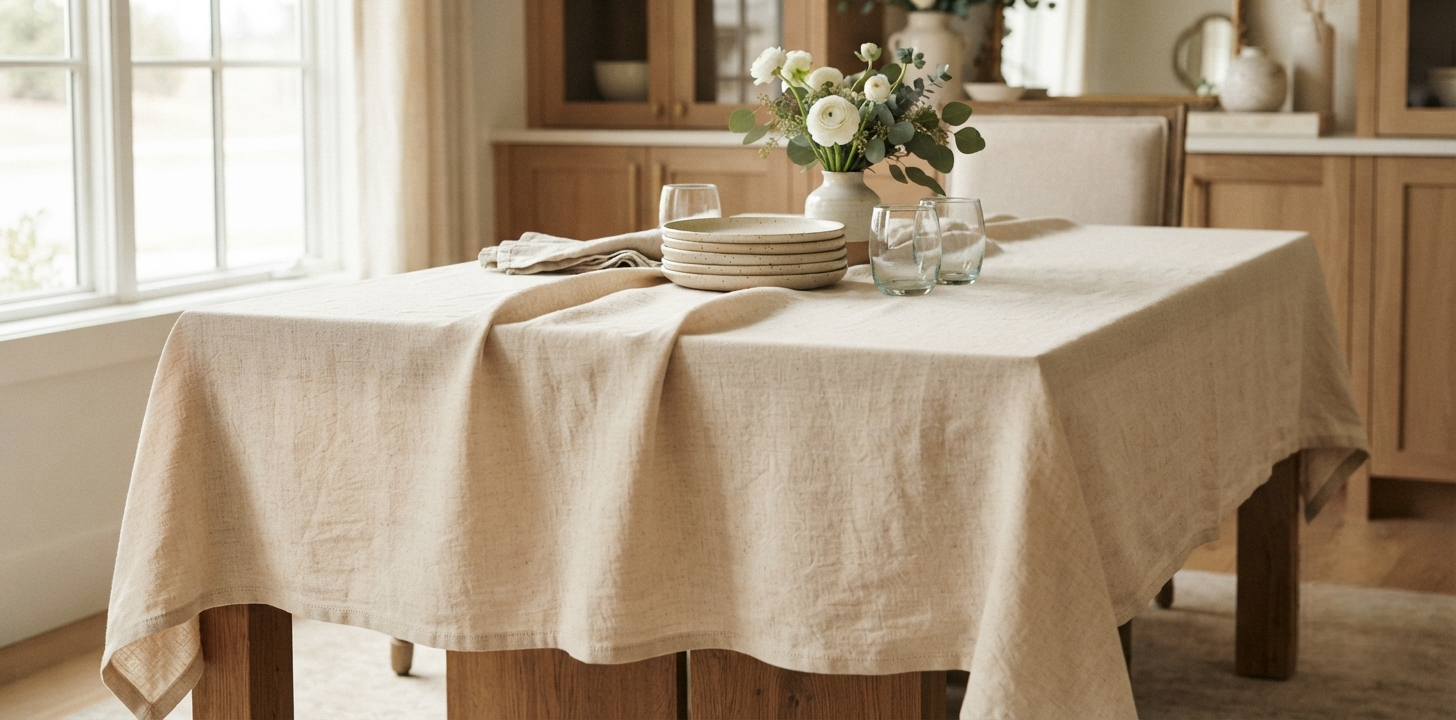
Lighting plays an important role in how a dining room looks and feels. A fabric that appears warm and creamy in the morning may look cooler in the afternoon or more dramatic under evening lamps. These subtle changes can influence the appearance of your dining table and the atmosphere of the entire room.
A tablecloth is one of the largest textile surfaces in a dining area, making it particularly noticeable when light falls across it. Choosing a fabric with the right color, texture, and finish can help create a dining arrangement that looks beautiful at different times of the day.
1. Understand How Morning Light Affects Fabric Colors
Morning light often creates a fresh, gentle atmosphere in a dining space. When sunlight enters through windows, it can make pale fabrics appear brighter and reveal subtle details in their weave.
A natural cotton table cloth can look especially appealing in morning light. Its woven texture and soft folds become more noticeable, creating a relaxed appearance without requiring additional decoration.
If your dining table sits near a window, consider lighter shades such as ivory, cream, or warm beige. These colors can complement the natural brightness of the room while keeping the dining area visually calm.
2. Choose Fabric That Works With Changing Daylight
The amount and direction of daylight change throughout the day. Direct sunlight may create stronger highlights, while indirect light produces softer shadows across the table.
A tablecloth with a subtle texture can add depth even when the room has limited sunlight. Natural woven fabrics create visual interest through their surface details rather than relying entirely on color or pattern.
For a dining area that receives varying amounts of daylight, a neutral covering can be a flexible choice. It works with different lighting conditions and makes it easier to change dinnerware or accessories without altering the overall appearance of the table.
3. Consider the Table Shape When Light Falls Across It
The shape of your table influences how fabric folds and shadows appear. A round table often creates soft, flowing lines, while a rectangular table produces longer edges and more defined draping.
Round table cloths can create an even circular fall that looks graceful when sunlight reaches the table from one side. The fabric's curves and folds can add dimension without making the arrangement feel busy.
For longer dining surfaces, a rectangle table cloth follows the table's linear structure. Side lighting can emphasize its natural folds and create a beautiful interplay of highlights and shadows along the edges.
The right shape helps the covering look balanced regardless of where the light comes from.
4. Use Color to Create Different Evening Moods
Artificial lighting can change the way colors appear after sunset. Warm bulbs often make neutral fabrics feel softer and more golden, while cooler lighting can give pale shades a cleaner, more contemporary look.
If you enjoy a dramatic dining atmosphere, a black table cloth can create an elegant backdrop for candlelight, white dinnerware, and clear glassware. Dark fabric absorbs more light visually, helping the table feel grounded and defined.
For a more understated evening setting, consider taupe, muted green, or soft gray. These colors can work with warm lamps and simple centerpieces to create a comfortable dining environment.
5. Make the Tablecloth Proportionate to the Table
Lighting can make the edges of a tablecloth more noticeable, especially when sunlight creates shadows along the fabric drop. Uneven or excessively long draping may become more prominent under directional light.
Measure the tabletop before choosing a covering. Add twice the desired drop to both the length and width to determine the finished dimensions.
Square table cloths can preserve the proportions of compact tables and create symmetrical edges. A properly sized covering allows the fabric to hang evenly and makes the arrangement look more considered.
Take measurements carefully, particularly if the table has rounded corners or an unusual shape.
6. Keep Accessories From Blocking the Fabric
The tablecloth should remain visible enough to contribute to the room's overall appearance. Oversized centerpieces, large serving trays, or too many decorative pieces can hide the fabric and make the table feel crowded.
Choose accessories that work with the lighting in your dining room. Clear glass reflects light subtly, ceramic pieces create a soft visual contrast, and natural wood adds warmth.
A small floral arrangement or a simple bowl can be enough to complete the table. Keep decorative objects grouped in the center, leaving open space around them so the fabric remains the main visual feature.
7. Create a Table Setting That Works All Day
A dining arrangement should feel comfortable in both daylight and evening lighting. Instead of changing the tablecloth frequently, select a versatile fabric that looks appropriate throughout the day.
A Table cloth in a timeless shade can provide a foundation for morning meals, casual lunches, and evening dinners. You can adjust the atmosphere with different plates, glassware, flowers, or lighting rather than replacing the fabric.
This approach makes the dining area easier to maintain while allowing small changes to create a different mood.
Conclusion
Lighting can influence the color, texture, and overall appearance of a tablecloth more than you might expect. Consider the natural light in your dining room, how artificial lighting changes the atmosphere, and how the fabric's shape and texture respond to both. A carefully chosen covering can remain beautiful from morning through evening. All Cotton and Linen offers tablecloth styles that can help bring a balanced, natural finish to your dining space.

 English
 French
 Spanish
 Portuguese
 Deutsch
 Turkish
 Dutch
 Italiano
 Russian
 Romaian
 Portuguese (Brazil)
 Greek