


Stroke Treatment in India: Types, Procedures, Cost and Recovery
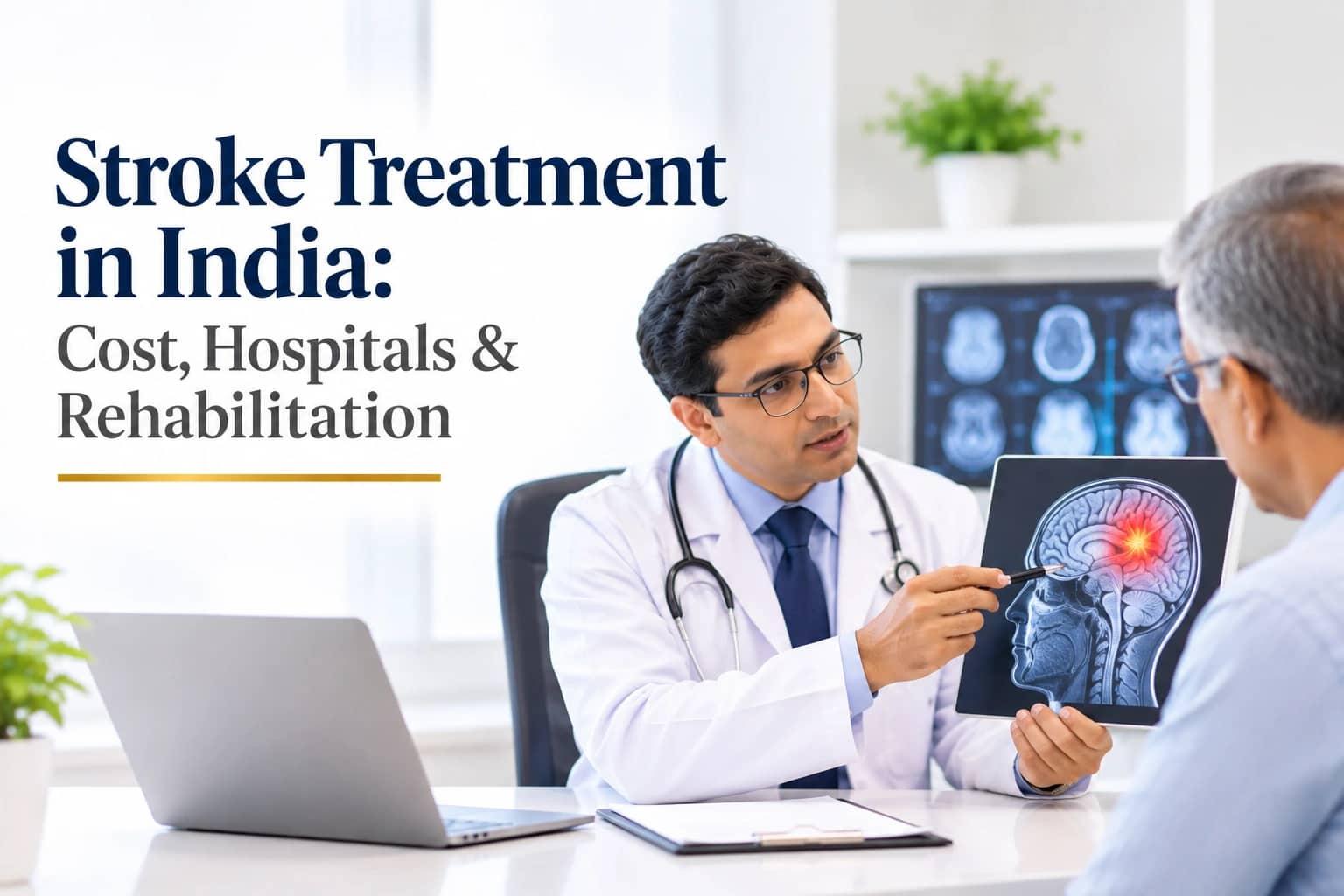
Stroke Treatment in India: Types, Procedures, Cost and Recovery
A stroke is a serious medical emergency that occurs when the blood supply to a part of the brain is interrupted or when a blood vessel in the brain bursts. Since the brain requires a constant supply of oxygen and nutrients to function properly, even a few minutes without adequate blood flow can cause damage to brain cells. Early diagnosis and immediate medical attention are essential to reduce complications and improve the chances of recovery.
With advancements in modern medicine, specialised neurological care, and minimally invasive procedures, Stroke treatment in India has become an option for patients seeking advanced medical care. Indian hospitals offer comprehensive stroke management, including emergency treatment, brain imaging, clot-removal procedures, neurosurgery, and rehabilitation.
For international patients, India provides access to experienced neurologists, neurosurgeons, advanced medical technology, and personalised treatment plans. Understanding the available treatment options, costs, and recovery process can help patients and their families make informed healthcare decisions.
What Is a Stroke?
A stroke occurs when blood flow to a part of the brain is blocked or when a blood vessel ruptures, causing bleeding inside or around the brain. Without sufficient oxygen, brain cells begin to become damaged and may die.
The effects of a stroke depend on the affected area of the brain, the severity of the damage, and how quickly treatment begins.
Some patients may experience temporary weakness or difficulty speaking, while others may develop long-term physical or cognitive disabilities.
A stroke requires immediate medical attention. If someone suddenly develops facial drooping, arm weakness, speech difficulties, or other neurological symptoms, emergency medical services should be contacted immediately.
Types of Stroke
Understanding the type of stroke is important because treatment depends on its underlying cause.
1. Ischemic Stroke
An ischemic stroke is the most common type. It occurs when a blood clot blocks an artery supplying blood to the brain.
The blockage may develop because of a clot forming inside a brain artery or travelling from another part of the body.
Treatment may include clot-dissolving medication or mechanical thrombectomy, depending on the patient's condition and the time since symptoms began.
2. Hemorrhagic Stroke
A hemorrhagic stroke occurs when a blood vessel in the brain ruptures, causing bleeding. This bleeding can increase pressure inside the skull and damage surrounding brain tissue.
Common causes include high blood pressure, aneurysms, and certain vascular abnormalities.
Treatment focuses on controlling bleeding, managing pressure inside the brain, and addressing the underlying cause. Some patients may require neurosurgical or endovascular procedures.
3. Transient Ischemic Attack (TIA)
A transient ischemic attack, commonly called a mini-stroke, occurs when blood flow to the brain is temporarily interrupted.
Symptoms may disappear within minutes or hours, but a TIA should never be ignored. It can be a warning sign of a future major stroke and requires urgent medical evaluation.
Common Symptoms of a Stroke
Recognising stroke symptoms early can save lives and reduce the risk of permanent disability.
Common warning signs include:
-
Sudden weakness or numbness in the face, arm, or leg, particularly on one side of the body.
-
Difficulty speaking or understanding speech.
-
Sudden blurred vision or loss of vision.
-
Severe headache without an obvious cause.
-
Dizziness or loss of balance.
-
Difficulty walking or coordinating movements.
-
Sudden confusion or difficulty understanding others.
Remember the BE FAST Method
The BE FAST method helps people recognise common stroke symptoms.
-
B – Balance: Sudden loss of balance or coordination.
-
E – Eyes: Sudden vision problems.
-
F – Face: One side of the face may droop.
-
A – Arms: One arm may become weak or numb.
-
S – Speech: Speech may become unclear or difficult.
-
T – Time: Call emergency services immediately.
Do not wait for symptoms to disappear. Record the time the person was last known to be well, as this information helps doctors determine treatment eligibility.
Causes and Risk Factors of Stroke
A stroke can affect people of different ages, although the risk generally increases with age. Several medical conditions and lifestyle factors can increase the chances of developing a stroke.
Important risk factors include:
High Blood Pressure
Uncontrolled hypertension can damage blood vessels and increase the risk of both ischemic and hemorrhagic strokes.
Diabetes
Diabetes can damage blood vessels and increase the likelihood of cardiovascular and cerebrovascular complications.
High Cholesterol
Excess cholesterol can contribute to plaque formation inside arteries, restricting blood flow to the brain.
Heart Conditions
Conditions such as atrial fibrillation can cause blood clots to form in the heart, which may travel to the brain.
Smoking and Alcohol Consumption
Smoking damages blood vessels and increases clotting risk. Excessive alcohol consumption can also contribute to high blood pressure and other stroke-related risk factors.
Obesity and Physical Inactivity
Being overweight and having a sedentary lifestyle may increase the risk of hypertension, diabetes, and cardiovascular disease.
How Is a Stroke Diagnosed?
Accurate diagnosis is essential because doctors must identify the type of stroke before selecting treatment. The medical team usually performs a neurological examination and several diagnostic investigations.
1. CT Scan of the Brain
A CT scan is often performed urgently to identify bleeding in the brain and help distinguish between ischemic and hemorrhagic strokes.
2. MRI Brain
An MRI provides detailed images of brain tissue and can help detect areas affected by restricted blood supply.
3. CT Angiography or MR Angiography
These imaging tests help doctors examine blood vessels and identify blockages, narrowing, aneurysms, or other abnormalities.
4. Blood Tests
Blood investigations may evaluate blood sugar, cholesterol, clotting function, and other factors that can influence treatment.
5. ECG and Echocardiography
These tests help identify heart conditions, including irregular heart rhythms, that may contribute to stroke.
Advanced Stroke Treatment Options in India
Treatment depends on the type of stroke, its severity, the affected brain region, and how quickly the patient reaches a specialised hospital.
1. Thrombolytic Therapy
Thrombolytic therapy involves administering clot-dissolving medication to restore blood flow in selected patients with ischemic stroke.
Intravenous thrombolysis is generally considered within a limited time window, commonly up to 4.5 hours after symptom onset, depending on eligibility and clinical guidelines.
The doctor carefully evaluates the potential benefits and bleeding risks before administering the medication.
2. Mechanical Thrombectomy
Mechanical thrombectomy is an advanced minimally invasive procedure used to remove certain large blood clots from brain arteries.
During the procedure, an interventional specialist inserts a catheter through an artery, usually in the wrist or groin, and guides it towards the blocked brain vessel.
A specialised device is then used to remove the clot and restore blood flow.
In selected patients, thrombectomy may be performed up to 24 hours after the patient was last known to be well, based on advanced brain imaging and clinical eligibility.
3. Medication and Medical Management
Patients may receive medicines to manage blood pressure, prevent additional blood clots, control cholesterol, and address other medical conditions.
The medication plan depends on whether the patient has experienced an ischemic or hemorrhagic stroke.
4. Neurosurgery for Hemorrhagic Stroke
Some patients with bleeding in the brain may require surgical treatment.
Depending on the underlying problem, procedures may include:
-
Removal of accumulated blood.
-
Surgical treatment of certain brain aneurysms.
-
Repair of abnormal blood vessels.
-
Decompression surgery to reduce dangerous pressure inside the skull.
Not every patient with a hemorrhagic stroke requires surgery. The decision depends on the location and amount of bleeding, neurological condition, and underlying cause.
Cost of Stroke Treatment in India
The cost of stroke treatment in India varies depending on the patient's condition, type of stroke, treatment method, and hospital facilities.
The overall treatment cost may be influenced by:
-
Type and severity of the stroke.
-
Emergency admission and intensive care requirements.
-
Brain imaging and diagnostic investigations.
-
Thrombolytic medication, if required.
-
Mechanical thrombectomy or neurosurgical procedures.
-
Duration of hospitalisation.
-
Rehabilitation and physiotherapy.
-
Follow-up consultations and medicines.
Patients requiring intensive care, complex surgery, or prolonged rehabilitation may have higher expenses.
International patients should request a personalised treatment estimate after sharing their medical reports and imaging results with the treating hospital.
Why Choose India for Stroke Treatment?
India has developed specialised neurological and neurosurgical facilities that provide treatment for different types of brain and blood vessel disorders.
Several factors make the country an option for international patients.
Experienced Neurologists and Neurosurgeons
Many Indian hospitals have specialists experienced in emergency stroke management, neurocritical care, endovascular procedures, and brain surgery.
Advanced Medical Technology
Leading hospitals use modern CT scanners, MRI systems, angiography equipment, and minimally invasive treatment technologies to support accurate diagnosis and treatment.
Comprehensive Stroke Care
Patients may receive coordinated care from neurologists, neurosurgeons, interventional neuroradiologists, intensive care specialists, physiotherapists, and rehabilitation professionals.
Affordable Treatment Options
India offers different hospital and treatment options that may be more affordable than those available in several other countries. The final cost depends on the patient's medical needs and treatment complexity.
Rehabilitation Facilities
Specialised rehabilitation services help eligible patients work towards improving movement, speech, balance, and independence after a stroke.
Recovery After Stroke Treatment
Stroke recovery varies significantly from one patient to another. Some patients improve within weeks, while others require several months or longer.
Recovery depends on the extent of brain injury, the affected brain region, the patient's overall health, and the timing of treatment.
1. Physiotherapy
Physiotherapy helps patients improve muscle strength, balance, coordination, and walking ability.
2. Speech and Language Therapy
Patients who experience communication or swallowing difficulties may benefit from specialised speech and language therapy.
3. Occupational Therapy
Occupational therapists help patients relearn everyday activities such as dressing, eating, bathing, and using household objects.
4. Psychological Support
A stroke can affect emotional health and may lead to anxiety, depression, or changes in behaviour. Counselling and appropriate psychological support can help patients and families manage these challenges.
5. Regular Medical Follow-Up
Follow-up appointments help doctors monitor recovery, manage risk factors, adjust medication, and reduce the chances of another stroke.
How to Prevent Another Stroke
Preventing a second stroke is an important part of long-term care.
Doctors may recommend the following measures:
-
Keep blood pressure within the recommended range.
-
Monitor and manage blood sugar levels.
-
Follow prescribed cholesterol-lowering treatment.
-
Take blood-thinning medication only as directed.
-
Stop smoking.
-
Maintain a healthy weight.
-
Follow a balanced diet with limited excess salt.
-
Exercise according to medical advice.
-
Attend regular health check-ups.
-
Manage heart conditions such as atrial fibrillation.
The prevention plan should be personalised according to the cause of the first stroke.
How HealthRoop Supports International Stroke Patients
Travelling to another country for specialised medical treatment can involve several challenges, including finding the right hospital, consulting specialists, understanding treatment costs, and arranging accommodation.
HealthRoop helps international patients connect with experienced doctors and leading hospitals in India. The team provides personalised guidance based on the patient's medical condition, treatment requirements, and budget.
Support services may include:
-
Online medical consultations.
-
Assistance with medical report evaluation.
-
Hospital and specialist selection.
-
Treatment planning and cost estimates.
-
Medical visa assistance.
-
Travel and accommodation arrangements.
-
Airport transfers and interpreter services.
-
Post-treatment follow-up coordination.
For patients who are medically stable and cleared to travel, this support can make the process of arranging treatment in India more organised and convenient. However, suspected acute stroke requires immediate emergency treatment locally rather than delaying care for international travel.
Conclusion
Stroke is a serious medical condition that requires immediate diagnosis and appropriate treatment. Advances in emergency medicine, clot-removal procedures, neurosurgery, and rehabilitation have improved treatment options for many patients.
Choosing Stroke treatment in India allows international patients to explore specialised neurological care, advanced medical facilities, and comprehensive rehabilitation services. However, treatment must be selected according to the type of stroke, the patient's condition, and medical eligibility.
With timely treatment, proper rehabilitation, and effective management of risk factors, many patients can achieve meaningful improvements in their recovery and quality of life. HealthRoop helps international patients navigate their healthcare journey by connecting them with suitable specialists and hospitals in India.

 English
 Arabic
 French
 Spanish
 Portuguese
 Deutsch
 Turkish
 Dutch
 Italiano
 Romaian
 Portuguese (Brazil)
 Greek