


Understanding the Role of Religious Teachers in Baglamukhi Worship Traditions
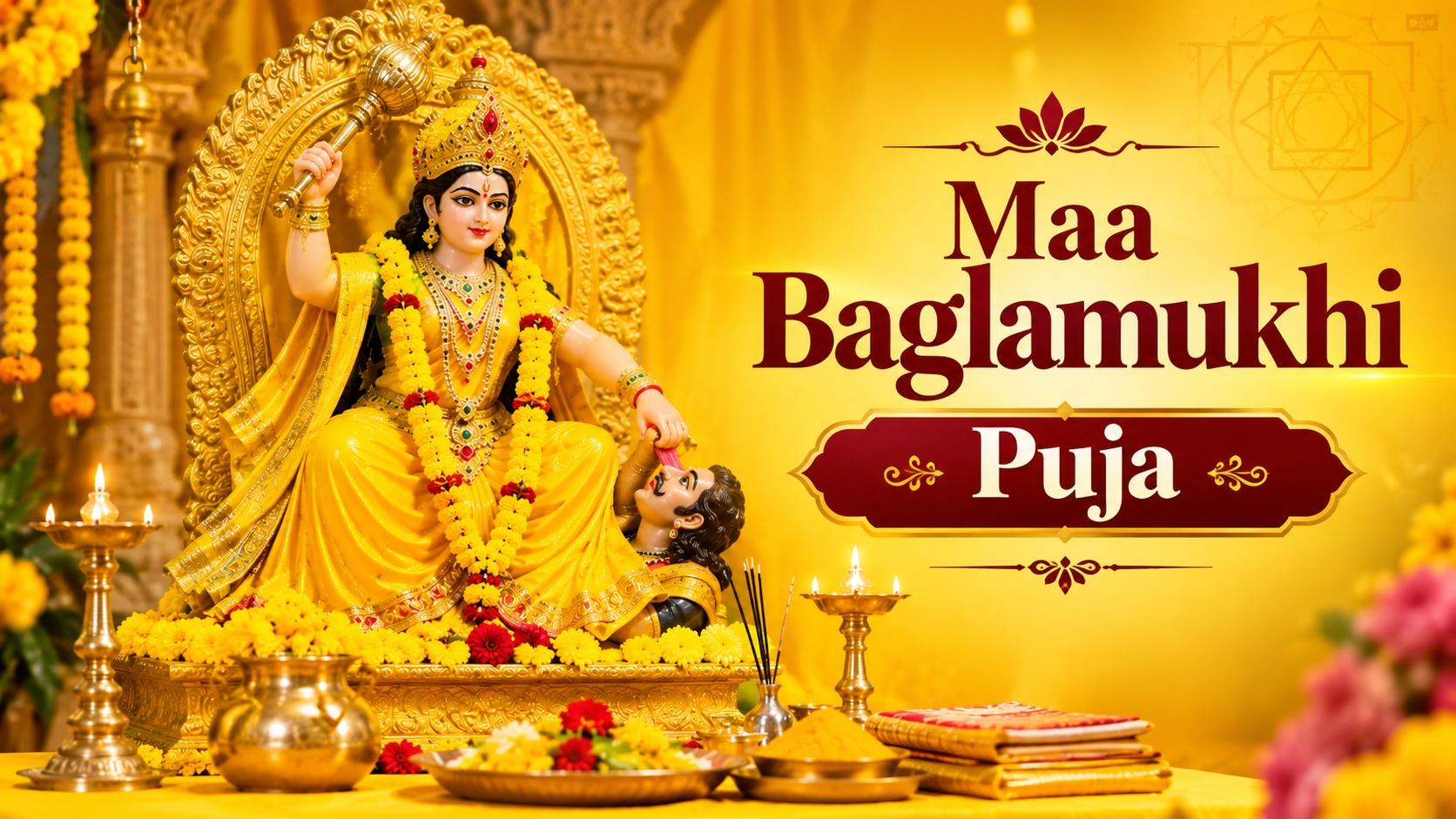
Religious teachers have an important place in preserving and explaining traditional worship practices. In Maa Baglamukhi worship, they may help devotees understand religious texts, learn the meaning of prayers, and become familiar with customs followed in different Shakta traditions. Their role is not limited to teaching rituals; it can also include explaining devotional discipline, sharing spiritual knowledge, and guiding people towards a more informed understanding of worship.
Baglamukhi religious teachers may include knowledgeable priests, spiritual guides, scholars, and experienced practitioners who have studied relevant religious traditions. Their knowledge and responsibilities can vary according to their training, lineage, and community. Understanding their role helps devotees recognise the value of authentic learning while respecting the diversity of Maa Baglamukhi worship customs.
Who Are Baglamukhi Religious Teachers?
Baglamukhi religious teachers are individuals who share knowledge about Maa Baglamukhi worship, Shakta beliefs, devotional literature, and traditional practices. Depending on the community, they may be temple priests, Sanskrit scholars, spiritual guides, or practitioners trained within a particular religious lineage.
Some teachers focus on explaining mantras and stotras, while others help devotees understand the significance of puja arrangements, devotional observances, and religious festivals.
Their knowledge may come from studying traditional texts, learning from experienced teachers, participating in temple practices, or receiving instruction within a recognised lineage. Not every teacher has the same background, so devotees should understand the nature of someone's training before relying on their guidance.
How Religious Teachers Preserve Baglamukhi Worship Traditions
1. Explaining Traditional Religious Texts
Religious literature is an important part of Maa Baglamukhi worship. Devotional collections may contain mantras, stotras, prayers, and descriptions of the Goddess's symbolic importance.
However, some verses and traditional expressions can be difficult for beginners to understand. A knowledgeable teacher can explain their language, context, and devotional meaning in a way that is easier to follow.
For example, teachers may discuss Maa Baglamukhi's association with the Mahavidyas and the traditional concept of stambhana. They can also explain how different texts describe the Goddess and why interpretations may vary between traditions.
This kind of explanation helps devotees approach religious literature with greater understanding instead of depending only on memorisation.
2. Teaching the Meaning of Mantras and Prayers
Mantra recitation is an important element in several Baglamukhi worship traditions. Religious teachers may explain the meaning of selected mantras, their traditional context, and the importance of correct pronunciation.
Beginners sometimes encounter different versions of a mantra in books, online sources, or devotional recordings. A teacher familiar with the relevant tradition can help them identify the version followed within that practice.
Teachers may also explain the difference between a mantra, stotra, and aarti. These forms of devotional expression serve different purposes and should not automatically be treated as interchangeable.
Where a particular mantra practice has specific traditional requirements, devotees should seek guidance from a qualified teacher rather than assuming that every practice is suitable for everyone.
3. Preserving Knowledge Through Oral Teaching
Many religious customs are passed from one generation to another through direct instruction. This is especially important when a tradition includes explanations, pronunciation details, or practices that are not fully described in printed material.
Experienced teachers may share knowledge they received from their own teachers. Through discussions, recitation, and demonstrations, they help preserve details that could otherwise be forgotten.
Oral teaching also allows students to ask questions and understand why a particular custom is followed. This can prevent misunderstandings that sometimes develop when rituals are copied without knowing their background.
The Importance of Spiritual Guidance for Devotees
Spiritual guidance can help devotees develop a thoughtful and respectful approach to Maa Baglamukhi worship. Religious teachers may support this process in several ways.
Understanding the Purpose of Worship
A beginner may know the names of certain prayers or rituals but may not understand their religious significance. Teachers can explain the devotional ideas behind worship and encourage students to learn about the Goddess through reliable religious sources.
Maa Baglamukhi is traditionally associated with restraint, focused speech, and the control of disruptive forces. Teachers may explain these themes through religious stories, iconography, and interpretations found within Shakta traditions.
Such explanations can help devotees understand the symbolic aspects of worship instead of viewing every ritual as a mechanical activity.
Developing Devotional Discipline
Regular prayer, respectful conduct, and thoughtful participation are important aspects of many religious practices. Teachers may encourage devotees to approach worship with sincerity, patience, and consistency.
They can also explain that devotional discipline does not mean following every custom without understanding it. Learning the purpose and context of a practice helps individuals participate more meaningfully.
Answering Questions About Traditional Customs
Families and beginners may have questions about prayer books, offerings, festival observances, and temple etiquette. A knowledgeable teacher can clarify which customs belong to a particular temple, region, or lineage.
This is useful because Maa Baglamukhi worship is not practised in exactly the same way everywhere. A custom followed by one community may differ from the practice of another.
How Traditional Teachings Differ Across Communities
Traditional teachings are influenced by regional culture, religious literature, temple customs, and spiritual lineages. As a result, devotees may encounter different explanations of certain practices.
For example, one teacher may focus on Sanskrit verses and textual interpretation, while another may give greater attention to temple traditions and devotional observances. Both approaches can contribute to understanding, provided the information is presented accurately and within its proper context.
Differences may also appear in the pronunciation of prayers, the arrangement of worship materials, and the observance of special religious occasions.
Devotees should avoid assuming that one teacher's explanation represents every Baglamukhi tradition. Respecting these differences allows religious knowledge to be preserved without confusing local customs with universal requirements.
How to Choose a Knowledgeable Baglamukhi Religious Teacher
Choosing a teacher requires care, particularly for people who are new to Maa Baglamukhi worship. A reliable teacher should be willing to explain the background of their guidance and answer reasonable questions.
Check Their Knowledge and Background
Ask about their experience, training, religious studies, or association with a particular tradition. A teacher should be able to explain where their knowledge comes from rather than relying only on unsupported claims.
Look for Clear and Respectful Explanations
Good spiritual guidance should make religious concepts easier to understand. Teachers should be able to distinguish between scriptural references, regional customs, personal interpretations, and family traditions.
Avoid Guaranteed Results and Fear-Based Claims
Be cautious of anyone who promises guaranteed outcomes, creates unnecessary fear, or pressures devotees into expensive rituals. Religious guidance should be offered with honesty and respect, not through threats or unrealistic assurances.
Respect Personal Understanding and Questions
A trustworthy teacher should welcome sincere questions and avoid discouraging independent learning. Devotees should feel comfortable asking about the meaning, source, and purpose of a particular practice.
The Role of Religious Teachers in Modern Baglamukhi Worship
Today, devotees may learn about Maa Baglamukhi through temples, printed books, online lectures, recorded prayers, and digital religious resources. These options make information more accessible, but they also create challenges because not every online explanation is accurate.
Religious teachers can help students evaluate information and identify reliable sources. They may explain the difference between traditional teachings and modern interpretations, helping devotees avoid confusion.
Digital resources can support learning, but they should not replace personal instruction when a practice requires specialised knowledge. Combining careful reading with guidance from a knowledgeable teacher can provide a more balanced understanding.
Teachers also have an important role in encouraging younger generations to learn about traditional worship. Explaining religious concepts in simple language can help families preserve their customs while allowing younger members to ask questions and develop their own understanding.
Conclusion
Baglamukhi religious teachers contribute to the preservation of Maa Baglamukhi worship traditions through religious education, spiritual guidance, and the sharing of traditional teachings. They help devotees understand prayers, explore religious texts, learn about regional customs, and recognise the meaning behind devotional practices.
Their guidance is most valuable when it is based on genuine knowledge, clear explanations, and respect for different traditions. By learning from reliable teachers and studying authentic religious sources, devotees can develop a deeper understanding of Maa Baglamukhi worship and help preserve its cultural and spiritual heritage for future generations.

 English
 Arabic
 French
 Spanish
 Portuguese
 Deutsch
 Turkish
 Italiano
 Russian
 Romaian
 Portuguese (Brazil)
 Greek