


Practical Entry Alert Solutions for Homes and Businesses
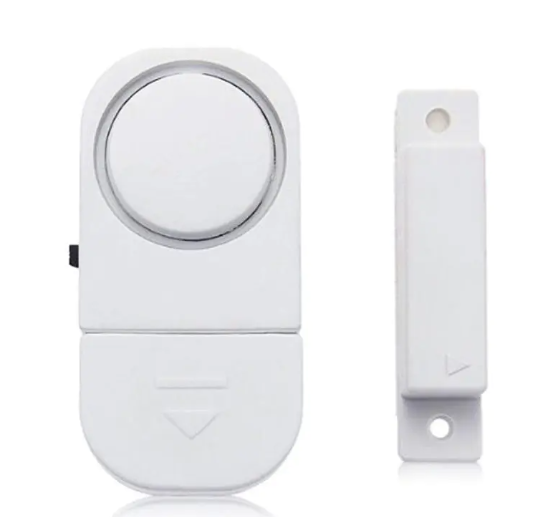
A Door Entry Alert System can help occupants notice when someone enters or approaches a monitored doorway, depending on the product's detection method and configuration. Such devices may be used in homes, shops, offices, reception areas, storage rooms, and other locations where people need a convenient entry notification. Before selecting a product, buyers should understand how the device detects activity, how it communicates an alert, and whether its installation requirements match the intended location.
Entry alert products can use different detection arrangements. Some designs respond to movement near a doorway, while others detect the opening or closing of a door. Certain configurations may use a separate sensor and receiver, whereas other products combine the main components into one unit. These approaches serve different applications and should not be treated as interchangeable. Buyers need to confirm the actual operating principle of the model rather than assuming that every device detects the same event.
The notification method is another important factor. Depending on the design, an alert may be delivered through a sound, a light indication, or another supported notification method. A simple audible signal may be suitable for a small shop or reception counter where staff need to know when someone enters. In a quieter environment, users may prefer an adjustable or visual notification if the selected model supports it. The available options should always be checked against the product specifications.
Detection range and coverage should be considered in relation to the doorway. A sensor intended for a narrow entrance may not be suitable for a wide area or a location with multiple access points. Placement can also influence detection. Walls, furniture, door frames, nearby equipment, and the direction of movement may affect how a particular sensor operates. Users should follow the manufacturer's installation guidance and test the device in its intended position before relying on it for routine notifications.
Installation requirements vary across product types. Some devices are designed for straightforward placement or mounting, while others may require separate components to be positioned in specific locations. Buyers should confirm whether the selected model uses adhesive mounting, screws, a freestanding arrangement, or another installation method. They should also check the required distance and alignment between components when the product includes a separate transmitter and receiver.
Power supply is a practical purchasing consideration. Different products may use replaceable batteries, rechargeable batteries, or an external power connection. The selected configuration affects installation flexibility and ongoing maintenance. Battery-operated sensors may be easier to position where electrical outlets are unavailable, while powered receivers may be more suitable for fixed indoor locations. Buyers should verify battery types, charging requirements, adapters, and any accessories included with the product.
The physical environment can affect product suitability. Indoor entry devices may be intended for dry locations and may not be appropriate for exposed outdoor installation. Temperature, humidity, dust, and direct sunlight can influence the operating conditions of electronic equipment. Before installation, users should check the product's stated environmental limitations. If the doorway is exposed to rain or significant temperature changes, they should confirm whether the selected device is designed for that setting.
Ease of operation matters in workplaces where several people may use the same entrance. Clear controls and understandable instructions can reduce confusion during setup and everyday use. If the product provides adjustable sound or sensitivity settings, users should understand how to change them and how the adjustments affect operation. Staff should also know what the alert indicates. A notification that someone has entered an area does not necessarily confirm their identity or establish whether access is authorized.
For homes and small businesses, an entry alert can serve as a convenient awareness tool, but it should not automatically be regarded as a complete security system. It may not record activity, identify visitors, prevent unauthorized entry, or contact emergency services. Customers who need those functions should evaluate dedicated security products with the appropriate capabilities. Clear product descriptions help prevent buyers from expecting functions that are not included in a basic notification device.
Maintenance requirements are usually related to the device's power source, sensor area, mounting condition, and operating environment. Users should inspect the product periodically for loose mounting, visible damage, or depleted batteries. Dust should be removed using a method permitted by the manufacturer. If the device stops responding consistently, users can check the power supply, installation position, and operating instructions before seeking technical assistance. Any repair involving internal electrical components should be handled appropriately.
For distributors and importers, product evaluation should cover detection method, notification type, operating range, installation approach, power configuration, environmental limitations, packaging, and instructions. Buyers should request clear specifications for the exact model and evaluate a sample where possible. If the product is intended for different countries, language requirements and applicable market regulations may also need consideration. These checks help purchasing teams select products that match the needs of their customers.
A Door Entry Alert System should be selected according to the entrance layout, expected notification method, installation conditions, and level of awareness required. Buyers should confirm the product's real functions and avoid assuming that a basic alert device provides advanced access control or surveillance. Matching the configuration to the intended application makes product selection more practical for residential and commercial users. For additional company and product information, visit https://www.jiuxinx.com/ to review available details and contact the supplier with specific requirements.

 English
 Arabic
 French
 Spanish
 Portuguese
 Deutsch
 Dutch
 Italiano
 Russian
 Romaian
 Portuguese (Brazil)
 Greek