


Can an HVAC Refrigerant Recovery Machine Fit Your Needs?
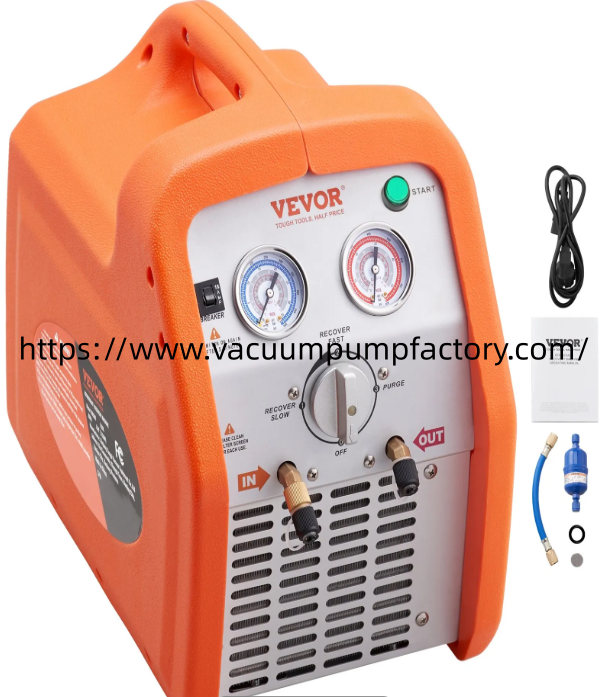
HVAC Refrigerant Recovery Machine purchasing decisions involve more than comparing prices or checking a product photograph. For air conditioning contractors, repair workshops, equipment distributors, and importers, the right choice depends on the substances handled, the systems serviced, the working environment, and the daily workload. Buyers should prepare a clear list of application requirements before discussing models with a manufacturer. This approach makes technical comparisons more practical and helps avoid purchasing equipment that does not match the intended work.
Define the Applications Before Comparing Models
Start by identifying the types of systems that the equipment will serve. Residential air conditioning maintenance, commercial cooling systems, refrigeration workshops, and field service operations can involve different working conditions. A unit selected for occasional maintenance may not meet the needs of a team handling multiple service calls every day.
Buyers should consider the typical system size, expected service frequency, working location, and available power supply. They should also estimate how often technicians will transport the equipment between job sites. These details help establish reasonable requirements for capacity, dimensions, weight, and operating arrangements.
For distributors, understanding the needs of the intended customer group is equally important. A product range designed for different service scenarios may provide more flexibility when supplying contractors and repair businesses.
Confirm Fluid Compatibility in Writing
Compatibility should be checked against the manufacturer's technical documentation. Different working fluids have different operating pressure characteristics and safety considerations. Buyers should not assume that a unit designed for one type can automatically handle another.
Ask for an updated compatibility list and confirm whether the selected model is suitable for the substances used in your target market. If customers work with A2L materials or other flammable substances, verify the equipment's applicable safety design, certification, and operating instructions. Compatibility should be confirmed for the exact model rather than inferred from a general product description.
It is also useful to ask whether the manufacturer provides clear guidance for changing between different fluid types. Proper procedures can help technicians manage residual material and reduce the possibility of cross-contamination between jobs.
Compare Operating Methods and Performance Data
Equipment performance should be evaluated according to the work being performed. Buyers can request separate figures for vapor handling, liquid handling, and push-pull applications where these methods are supported. These figures describe different operating conditions, so comparing them without checking the test method can lead to misleading conclusions.
Ask the supplier how the stated performance values were measured and which working fluid and operating conditions were used. It is also worth checking the compressor configuration, cooling arrangement, pressure range, and recommended operating limits.
Rather than choosing a unit based on one numerical value, compare its documented performance with the actual service workload. This makes it easier to identify whether the equipment is suitable for routine maintenance, larger systems, or particular workshop applications.
Examine Controls and Safety Arrangements
Technicians need to understand the operating sequence before using unfamiliar equipment. Buyers should review the control layout, gauge visibility, connection positions, and instructions for handling and purging. Clear labels and accessible controls can make routine operation easier to manage.
Safety arrangements deserve particular attention. Ask whether the model includes high-pressure protection, automatic shut-off functions, overload protection, or other safeguards. Confirm the conditions under which each function operates and whether any additional accessories are required.
The equipment should also be used according to its manual and applicable handling rules. Buyers supplying professional service teams may want to request operation guides and technical documents that can support staff training.
Check Maintenance Access and Replacement Parts
Maintenance planning can affect equipment availability over time. Before ordering, ask which components require routine inspection and how filters, seals, hoses, and other service parts can be replaced. A clear maintenance schedule helps workshops plan inspections without interrupting their work unexpectedly.
Buyers should also ask about the availability of replacement components and the process for requesting technical assistance. If the equipment will be used frequently, access to service information and compatible spare parts should be considered during supplier evaluation.
For importers and distributors, it may be useful to discuss spare-part purchasing arrangements alongside the main order. This can help prepare local service support for customers after delivery.
Review Documentation, Packaging, and Order Terms
A complete quotation should identify the model, configuration, included accessories, power requirements, packaging details, and applicable delivery terms. Buyers should check whether hoses, adapters, filters, or other items are included or supplied separately.
Request product manuals, technical specifications, inspection records, and relevant certificates where applicable. Confirm that the documents correspond to the model being purchased. Packaging should also be discussed, especially for international shipments involving long-distance transportation and multiple handling stages.
Before approving production, review the sample or approved product configuration against the purchase order. Written confirmation of these details can reduce misunderstandings during manufacturing, inspection, and shipment.
Evaluate the Manufacturer's Communication and Support
A supplier relationship continues after the purchase order is confirmed. Buyers should consider how the manufacturer handles technical questions, order updates, inspection requests, and after-sales communication. Clear responses help purchasing teams coordinate product selection and delivery planning.
It is useful to discuss expected production time, order scheduling, warranty terms, and the procedure for reporting product issues. For repeat purchasing, buyers can also ask how model specifications and accessory configurations are recorded to support future orders.When evaluating equipment options, vacuumpumpfactory provides a range of refrigeration service products for buyers to review. Importers, distributors, and service businesses can visit https://www.vacuumpumpfactory.com/ to check product information and contact the company about model details, purchasing requirements, and cooperation arrangements.

 English
 Arabic
 French
 Spanish
 Portuguese
 Turkish
 Dutch
 Italiano
 Russian
 Romaian
 Portuguese (Brazil)
 Greek