


Best Medical Equipment for Hospitals, Clinics and Healthcare Centers in South Africa
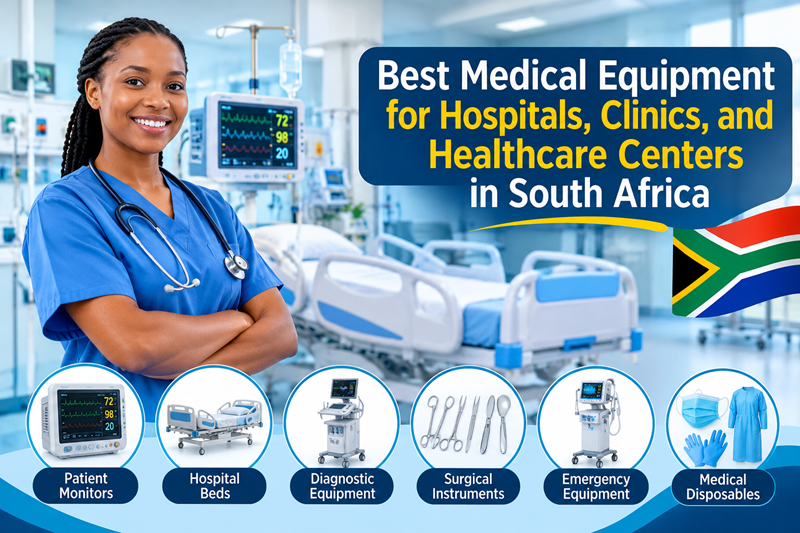
Healthcare facilities need the right medical equipment to provide safe and better patient care. Hospitals, clinics and healthcare centers use different types of equipment to examine patients, identify health problems, monitor their conditions and provide treatment. Good-quality equipment also helps doctors, nurses and other healthcare workers complete their daily tasks with greater confidence.
South Africa has a growing need for reliable healthcare products across public and private hospitals, small clinics, diagnostic centers and specialized healthcare facilities. Choosing the right equipment helps healthcare providers improve their services and support patients at every stage of treatment.
Finding a trusted Medical Equipment Supplier in South Africa can help healthcare facilities access suitable products for their daily needs. From hospital beds and patient monitors to surgical instruments and diagnostic devices, every product plays an important role in patient care.
Here is the List of Medical Equipments for South Africa Healthcare
1. Patient Monitoring Equipment
Patient monitoring equipment helps doctors and nurses check important body functions. These devices provide useful information about a patient's health and help medical teams make better treatment decisions.
Some common patient monitoring devices include:
- Multiparameter Patient Monitors: These devices check heart rate, blood pressure, oxygen levels and breathing rate.
- Pulse Oximeters: These small devices measure oxygen levels in the blood.
- ECG Machines: These machines record the electrical activity of the heart and help doctors identify heart-related problems.
- Digital Blood Pressure Monitors: These devices help healthcare workers check blood pressure quickly.
Hospitals and clinics need reliable monitoring devices, especially in emergency rooms, intensive care units and recovery rooms.
2. Hospital Beds and Patient Furniture
Hospital beds play an important role in patient comfort and safety. Patients need comfortable beds during treatment, surgery recovery and long hospital stays.
Healthcare facilities can choose from different types of hospital beds according to their needs.
- Manual Hospital Beds: Staff can adjust these beds with hand-operated controls.
- Electric Hospital Beds: These beds use electric motors to adjust the patient's position.
- ICU Beds: These beds offer special features for patients who need close medical attention.
- Examination Beds: Doctors use these beds during regular patient checkups.
Other useful hospital furniture includes bedside lockers, examination tables, stretcher trolleys, wheelchairs and medical trolleys.
3. Diagnostic Medical Equipment
Diagnostic equipment helps doctors understand what happens inside the human body. These devices support early disease detection and help medical professionals select suitable treatments.
Some important diagnostic products include:
- Ultrasound Machines: Doctors use ultrasound machines to examine internal organs and monitor pregnancy.
- X-Ray Machines: These machines help doctors examine bones, chest conditions, and certain internal health problems.
- Blood Glucose Meters: These devices measure blood sugar levels and support diabetes care.
- Haematology Analysers: Laboratories use these machines to examine blood samples.
- Urine Analysers: These devices help laboratory staff check urine samples for different health indicators.
Diagnostic centers, hospitals and laboratories need accurate and dependable equipment to support their daily testing services.
4. Surgical Instruments and Operation Theatre Equipment
Surgical instruments help doctors perform medical procedures safely and accurately. Every operation theatre needs suitable instruments, clean working areas and reliable medical equipment.
Common surgical products include:
- Surgical scissors
- Forceps and clamps
- Needle holders
- Surgical blades and handles
- Retractors
- Sterilization equipment
- Operation theatre lights
- Anesthesia machines
Hospitals should select surgical instruments that match their medical procedures and follow proper cleaning and sterilization practices. Medical staff should also inspect instruments regularly to maintain their quality and condition.
5. Emergency and Critical Care Equipment
Emergency departments need medical equipment that helps healthcare workers respond quickly to serious health problems. These devices support patients who need immediate medical attention.
Important emergency equipment includes:
- Defibrillators: These devices deliver controlled electrical shocks during certain life-threatening heart rhythm emergencies.
- Ventilators: These machines help patients who cannot breathe properly on their own.
- Suction Machines: These devices remove unwanted fluids from a patient's airway.
- Oxygen Concentrators: These machines provide concentrated oxygen to patients who need oxygen therapy.
- Infusion Pumps: These devices control the delivery of fluids and medicines.
Hospitals should keep emergency equipment ready for use and train healthcare workers to operate each device correctly.
6. Medical Disposables and Infection Control Products
Medical disposables help healthcare workers maintain cleanliness and reduce the risk of infection. Hospitals, clinics and diagnostic centers use these products every day.
Popular medical disposable products include:
- Disposable gloves
- Surgical masks
- Medical gowns
- IV cannulas
- Syringes and needles
- IV infusion sets
- Disposable examination sheets
- Surgical caps and shoe covers
Healthcare facilities should maintain enough stock to support their daily patient requirements. They should also follow proper storage, handling and disposal practices.
How to Choose the Right Medical Equipment Supplier in South Africa
Choosing the right supplier matters as much as choosing the right medical products. Healthcare facilities should check several important points before placing an order.
- Product Quality: Always check product specifications, safety information and relevant quality certificates.
- Product Range: Choose a supplier that offers different healthcare products, including diagnostic devices, hospital furniture, surgical instruments and medical disposables.
- Regulatory Compliance: Check whether the products meet applicable South African regulatory requirements. Confirm the necessary documentation for imported medical devices.
- After-Sales Support: Ask about product installation, user training, maintenance, spare parts and technical assistance.
- Supply and Delivery: Check the supplier's ability to handle bulk orders, packaging, export documents and delivery schedules.
A professional Medical Equipment Supplier in South Africa should understand the needs of healthcare facilities and help buyers select suitable products.
Why Consider Medical Equipment from India?
India has a strong medical manufacturing and export sector. International healthcare buyers can explore different medical products from Indian manufacturers and exporters.
Working with a Medical Equipment Manufacturer, Exporter and Supplier from India can give South African hospitals, clinics and medical distributors access to a wide range of healthcare products.
Indian exporters can support international B2B buyers with product sourcing, bulk orders, export documentation and shipping coordination. However, buyers should always check product quality, regulatory requirements and supplier credentials before making a purchase.
Why Choose Manarti Exports?
Manarti Exports supports international B2B buyers who need medical equipment and healthcare products from India. The company offers a range of products for hospitals, clinics, healthcare centers and medical distributors.
As a Medical Equipment Supplier in South Africa, buyers can explore suitable healthcare product options and discuss their bulk purchasing requirements with Manarti Exports.
The company focuses on helping international buyers source medical equipment from India through professional export support and product selection assistance.
Conclusion
The right medical equipment helps hospitals, clinics and healthcare centers provide better patient care. From patient monitors and hospital beds to diagnostic machines, surgical instruments and medical disposables, every product supports an important part of healthcare services.
Healthcare buyers should always consider product quality, safety, regulatory compliance, maintenance and supplier reliability before purchasing equipment.

 English
 Arabic
 French
 Spanish
 Portuguese
 Deutsch
 Turkish
 Dutch
 Italiano
 Romaian
 Portuguese (Brazil)
 Greek