


Phrozen Printers and Detailed Resin Printing: A Practical Guide for Makers
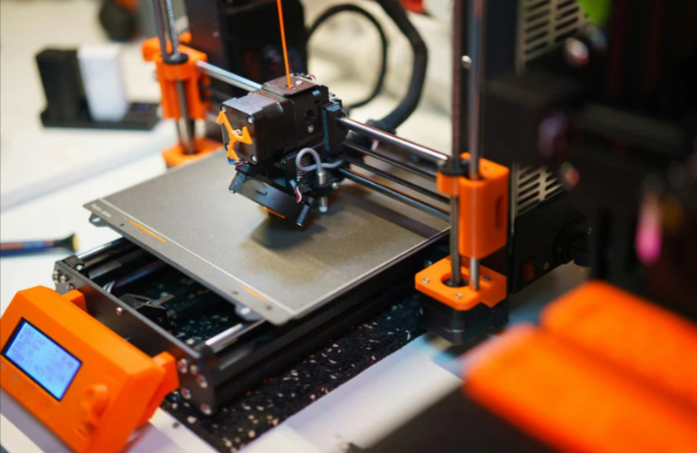
A Phrozen 3D printer is usually mentioned when detail is the priority, whether that means miniatures, figurines, jewellery patterns or design prototypes. The brand is known for resin machines aimed at fine work. But a capable printer is only half of the story. The resin you choose, the way you wash and cure, and the habits in your workspace decide whether your prints look crisp or disappointing.
This guide covers who these machines suit, how the resin workflow works, how to choose materials, and how to keep results consistent and safe. I haven't quoted prices or specifications, since models and availability change. Please confirm current details with the seller.
Why Detail-Focused Makers Choose Resin Machines
Resin printing cures liquid photopolymer with light, layer by layer. Because each layer is very thin, surface finish and fine features can look far better than most filament prints.
| Strength | What it means in practice |
|---|---|
| Fine detail | Faces, textures and thin features come out crisply |
| Smooth surfaces | Less sanding before painting |
| Many small parts at once | A whole plate of tiny items can print together |
| Wide range of resin types | Standard, tough, flexible and castable options exist |
| Consistent results with good habits | Repeatable once settings are tuned |
The trade-off is a more careful workflow, which the next sections explain.
Who These Machines Suit
| Buyer | Why it may suit | Consider |
|---|---|---|
| Miniature painters and gamers | Detail and smooth surfaces | Plan space for washing and curing |
| Jewellery and pattern makers | Fine geometry for casting workflows | Choose a resin suited to your process |
| Designers and product developers | Refined presentation models | Check build volume for your parts |
| Educators and trainers | Teaching precision and process | Strict safety rules and supervision |
| Hobbyists | Satisfying detail at home | Be honest about ventilation and storage |
If your projects are mostly large, functional parts, a filament machine may serve you better.
The Resin Workflow Step by Step
| Step | What to do | Common slip |
|---|---|---|
| 1. Prepare | Level the plate, check the vat and film, filter resin if needed | Skipping the film check, causing failed prints |
| 2. Slice | Orient the model, add supports, choose settings | Poor support placement |
| 3. Print | Start the job and let it finish | Opening the lid early |
| 4. Remove | Take off the plate carefully, with gloves | Touching uncured resin |
| 5. Wash | Rinse in a suitable cleaning liquid | Washing too briefly or too long |
| 6. Cure | Harden under UV light as recommended | Over-curing, which can make parts brittle |
| 7. Finish | Remove supports, sand, prime and paint | Rushing support removal |
Following the same routine each time makes results far more predictable.
Choosing the Right Resin
The material matters as much as the machine. Browsing 3D printer resin options is easier when you know what each type is designed to do. Properties vary between brands, so always check each product's guidance and compatibility with your printer.
| Resin type | Known for | Consider |
|---|---|---|
| Standard | General models, display pieces, painting | Can be brittle in thin sections |
| Tough or durable | Parts that need some impact resistance | May need adjusted exposure settings |
| Flexible | Bendy parts, grips, seals | Slower to print, needs tuning |
| Castable | Jewellery and pattern casting | Needs a suitable casting process |
| High-detail or low-shrink | Fine miniatures and precise parts | Check printer compatibility and exposure |
| Water-washable | Easier cleanup with water | Water disposal and handling still need care |
If you are new to resin, begin with a standard type, learn how exposure and orientation affect results, and move to specialised materials later.
Matching Resin to Project
| Project | Likely choice | Why |
|---|---|---|
| Painted miniatures | Standard or high-detail | Surface and detail matter |
| Mechanical prototypes | Tough | Resists small knocks |
| Wearable or soft parts | Flexible | Bends without snapping |
| Jewellery patterns | Castable | Burns out cleanly in casting |
| Presentation models | Standard, in a chosen colour | Good finish and easy painting |
| Learning and testing | Standard | Forgiving and widely used |
Getting Consistent Results
Resin is sensitive to small changes, so consistency comes from habits.
- Keep exposure settings recorded for each resin and layer height.
- Shake or mix resin as the manufacturer advises before use.
- Control temperature. Cold resin can print poorly, so avoid chilly rooms.
- Orient parts thoughtfully. Angled placement often reduces failures and layer marks.
- Use supports sensibly. Too few cause failures, too many leave marks.
- Filter or inspect resin between prints to remove cured fragments.
- Check the vat and film regularly. Wear affects print quality.
- Test with small calibration prints whenever you change material.
Safety and Handling
Treat safety as part of the process, not an afterthought.
| Area | Good habit |
|---|---|
| Skin and eyes | Wear gloves and eye protection, and wash promptly if resin touches skin |
| Ventilation | Work in a well-ventilated space |
| Storage | Keep bottles tightly closed, away from direct sunlight, and out of reach of children and pets |
| Spills | Wipe quickly with suitable materials |
| Waste | Cure leftover resin and failed prints before disposal, and follow local guidance |
| Tools | Keep dedicated tools and containers for resin work |
| Information | Read the safety information supplied with each product |
Do not pour liquid resin down the drain. If anyone in the household is sensitive to odours or chemicals, think carefully before setting up a resin workspace at home.
Budgeting for a Resin Setup
| Cost | What to include |
|---|---|
| The printer | Varies by model and build volume |
| Resin | A regular, recurring cost |
| Wash and cure | Station or containers, cleaning liquid, UV light |
| Consumables | Gloves, wipes, filters, spare film or screen protectors |
| Finishing | Primer, paint, sandpaper, tweezers, cutters |
| Storage and safety | Sealed containers, eye protection |
| Space | Ventilation and a stable surface |
Compare the cost per finished print, not just the machine price.
What to Check Before Buying
- Does the build volume suit my models?
- Which resins does it support? Confirm compatibility and recommended settings.
- What is in the box? Check tools, sample resin and spare parts.
- How is support handled locally? Know who to contact when something fails.
- Are spare parts available? Films, screens, vats and plates all wear.
- What does the warranty cover? Get terms in writing and confirm validity in India.
- Can I see a demonstration or real prints? Photos can flatter.
Troubleshooting Quick Guide
| Problem | Possible causes | Things to try |
|---|---|---|
| Print fails to stick to the plate | Poor levelling, low exposure on first layers | Re-level, check settings |
| Layer lines or banding | Vibration, resin temperature, settings | Stabilise the machine, warm the room, review settings |
| Brittle or cracked parts | Over-curing, unsuitable resin | Shorten cure time, choose a tougher resin |
| Sticky or tacky surface | Under-washing or under-curing | Wash and cure properly |
| Details missing | Exposure too low or too high, orientation | Run a calibration print |
| Resin smell lingers | Poor ventilation, incomplete cleaning | Improve airflow, clean the area |
Common Mistakes to Avoid
- Skipping gloves because it is "just a quick one". Skin contact adds up.
- Using one setting for every resin. Each material needs its own tuning.
- Over-curing parts. More is not always better.
- Ignoring the vat and film. Small damage causes repeated failures.
- Storing resin in sunlight. Light can cure it in the bottle.
- Rushing the first month. Calibration prints save time later.
Key Takeaways
- Resin printing suits detail-focused makers who accept a careful workflow.
- Match the resin type to the project, and begin with a standard material.
- Consistency comes from recorded settings, controlled temperature and regular checks.
- Treat gloves, ventilation, storage and disposal as part of the process.
- Check build volume, resin compatibility, spare parts, warranty and local support before buying.
Frequently Asked Questions
1. Is resin printing suitable for beginners?
Yes, if you are prepared for gloves, ventilation and a wash and cure routine. Start with a standard resin and small test prints to learn how exposure and orientation affect results.
2. How do I choose the right resin?
Match it to the project: standard for painting and display, tough for functional parts, flexible for bendy items and castable for jewellery patterns. Always confirm compatibility with your printer.
3. Why do my resin prints fail?
Common causes include poor levelling, incorrect exposure, damaged film, cold resin or poor support placement. Calibration prints and good habits usually solve most problems.
4. How should I store leftover resin?
Keep bottles tightly closed, away from sunlight and out of reach of children and pets. Follow the manufacturer's storage guidance.
5. How do I dispose of resin waste?
Cure leftover resin and failed prints under UV light before disposal, and follow local waste guidance. Never pour liquid resin down the drain.
Conclusion
Detailed resin printing rewards patience and good habits. Choose a machine that fits your models, pair it with the right resin for each job, record your settings and treat safety as part of the routine. With that approach, crisp, consistent prints become the norm rather than the exception.
If you would like help choosing, browse the Hydrotech 3D Chennai printer range and ask the team about suitable machines and materials.

 English
 Arabic
 French
 Spanish
 Portuguese
 Deutsch
 Turkish
 Italiano
 Russian
 Romaian
 Portuguese (Brazil)
 Greek