


Can Tourists Experience Traditional Sikkimese Culture Through Homestays in Gangtok?
Introduction
Gangtok, the beautiful capital of Sikkim, is one of the most attractive destinations in Northeast India. Surrounded by the majestic Eastern Himalayas, lush green valleys, peaceful monasteries, and breathtaking mountain views, the city offers visitors a wonderful combination of natural beauty and cultural experiences. Beyond its scenic landscapes and popular tourist attractions, Gangtok is also known for its rich traditions, warm hospitality, colourful festivals, traditional cuisine, and diverse communities. For travellers who want to understand the local lifestyle, exploring the cultural side of this Himalayan destination can make their holiday more meaningful.
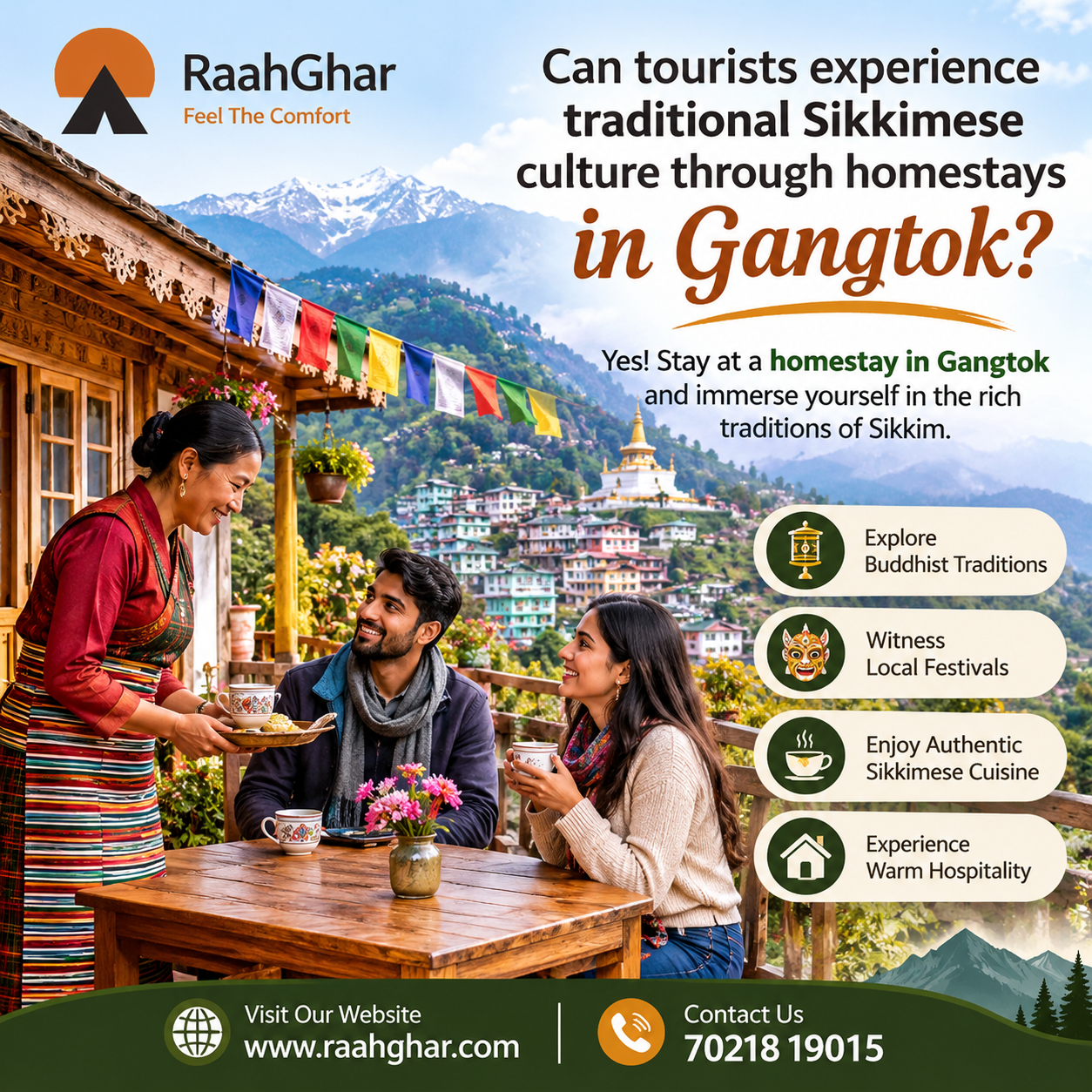
Choosing a homestay in Gangtok is one of the ways tourists can experience traditional Sikkimese culture more closely. Unlike conventional accommodation, homestays can provide opportunities to interact with local families, discover regional food traditions, understand everyday customs, and learn about the heritage of the surrounding communities. Depending on the property and its location, visitors may also experience traditional architecture, local celebrations, handicrafts, and the peaceful lifestyle of mountain communities.
Sikkimese culture reflects the influences of different communities, including the Bhutia, Lepcha, and Nepali communities. Their traditions, languages, festivals, food habits, music, and religious practices contribute to the cultural identity of the region. Staying with local hosts can help tourists appreciate these cultural differences while enjoying a comfortable and welcoming environment.
Whether you are planning a family holiday, a cultural trip, a romantic getaway, or a solo journey, Gangtok offers several opportunities to explore its traditions beyond ordinary sightseeing. In this blog, we will discuss how tourists can experience traditional Sikkimese culture through homestays and what makes this accommodation experience special.
Why Choose a Homestay to Experience Sikkimese Culture?
Accommodation plays an important role in shaping a travel experience. While hotels generally focus on providing hospitality and essential facilities, homestays can offer a closer connection with the local community.
Gangtok has a unique cultural atmosphere, and staying in a local residential setting can help visitors understand the destination from a different perspective.
Here are some reasons why travellers may prefer this accommodation option.
1. Opportunities to Interact with Local Families
One of the most interesting aspects of staying in a homestay is the opportunity to interact with local hosts. Conversations with residents can help visitors learn about traditional customs, family celebrations, regional history, and everyday life in Sikkim.
2. Discover Traditional Food Habits
Food is an important part of cultural exploration. Local hosts may introduce guests to traditional Sikkimese dishes prepared using regional ingredients and cooking methods. This allows tourists to discover flavours that they might not experience during a regular sightseeing trip.
3. Learn About Local Traditions
Sikkim has a rich cultural heritage influenced by its different communities. Through conversations and local experiences, visitors can learn about traditional clothing, festivals, religious practices, music, and customs.
4. Experience a Relaxed Mountain Lifestyle
The lifestyle in the Himalayan region is often closely connected with nature and community traditions. Staying in a residential environment can help visitors appreciate the slower pace of life, peaceful surroundings, and welcoming atmosphere.
5. Explore Beyond Popular Tourist Attractions
Local hosts may recommend nearby monasteries, markets, cultural locations, traditional food spots, and lesser-known places. These suggestions can help visitors discover more than the usual tourist attractions.
1. Experience Traditional Sikkimese Hospitality
Hospitality is an important part of the cultural experience in Sikkim. Visitors often appreciate the welcoming nature of local communities and the opportunity to understand their everyday lifestyle.
A homestays in Gangtok can offer a more personal experience where guests interact with their hosts and learn about local traditions. Depending on the property, visitors may have opportunities to share meals, discuss regional customs, and understand how families celebrate important occasions.
Local hosts can also provide useful information about nearby attractions, traditional markets, cultural events, and suitable places to explore.
For international tourists and visitors from other Indian states, these interactions can make the journey more memorable. Instead of simply visiting a destination, travellers get an opportunity to understand its people and cultural identity.
2. Discover Authentic Sikkimese Cuisine
Food is one of the best ways to understand the traditions of a region. Sikkimese cuisine reflects the area's geographical conditions, cultural influences, and availability of local ingredients.
Traditional meals often include rice, vegetables, fermented foods, noodles, and locally prepared dishes. Some recipes are influenced by Tibetan, Nepali, and other Himalayan culinary traditions.
Staying with local hosts can give tourists an opportunity to explore regional food preferences and discover traditional cooking methods.
Popular Sikkimese dishes to explore:
Momos: Momos are among the most popular foods in Sikkim. These steamed dumplings are commonly filled with vegetables or meat and served with spicy dipping sauces.
Thukpa: Thukpa is a traditional noodle soup that is especially enjoyable in the cool Himalayan weather. It is generally prepared with noodles, vegetables, and sometimes meat.
Gundruk: Gundruk is a traditional fermented leafy vegetable preparation commonly associated with Nepali food traditions in the region.
Phagshapa: This is a traditional Sikkimese dish prepared using pork, radish, and dried chillies. It is an interesting option for visitors who enjoy regional meat preparations.
Sel Roti: Sel roti is a traditional ring-shaped rice bread associated with Nepali culinary traditions. It is often prepared during festivals and special occasions.
Chhurpi: Chhurpi is a traditional Himalayan cheese made from milk. It is available in different forms and is used in various local food preparations.
Guests should communicate their dietary preferences with their hosts before arrival. Vegetarian meals, vegan options, and food requirements may vary between properties.
3. Understand the Cultural Diversity of Sikkim
Sikkim is known for its cultural diversity, with different communities contributing to its traditions and identity.
The Bhutia, Lepcha, and Nepali communities are among the major cultural groups associated with the state. Each community has its own traditions, languages, celebrations, clothing styles, and cultural practices.
A stay with local families can help tourists understand these cultural differences through everyday conversations and experiences.
Lepcha Culture
The Lepchas are recognised as one of the indigenous communities of Sikkim. Their cultural identity is closely connected with the Himalayan landscape, traditional knowledge, nature, and community practices.
Visitors interested in local heritage can learn about Lepcha traditions, traditional clothing, folk stories, and their relationship with the natural environment.
Bhutia Culture
Bhutia culture has strong historical connections with Tibetan traditions. Visitors may notice these influences in local architecture, religious practices, traditional clothing, and food.
Buddhist monasteries, prayer flags, and religious celebrations are important aspects of the cultural landscape.
Nepali Culture
Nepali traditions also play an important role in Sikkim's cultural identity. Visitors can explore traditional food, music, dance, festivals, and community celebrations associated with Nepali heritage.
Understanding these different cultural influences makes a visit to Gangtok more enriching.
4. Explore Buddhist Traditions and Monastery Culture
Buddhism is an important part of Sikkim's cultural and spiritual heritage. The state is home to several beautiful monasteries that attract pilgrims, cultural enthusiasts, and tourists.
Gangtok provides access to important religious and cultural landmarks where visitors can observe traditional architecture, Buddhist artwork, prayer rituals, and peaceful surroundings.
Some local hosts may also guide visitors towards monasteries and explain their cultural significance.
Popular monasteries to visit around Gangtok:
Enchey Monastery: Located in Gangtok, Enchey Monastery is an important Buddhist religious site known for its peaceful surroundings and traditional architecture.
Rumtek Monastery: Situated near Gangtok, Rumtek Monastery is one of the most significant Buddhist monasteries in Sikkim. It is known for its impressive architecture and religious importance.
Lingdum Monastery: Also known as Ranka Monastery, this beautiful monastery is located in a peaceful setting surrounded by green hills.
Do Drul Chorten: This important Buddhist stupa in Gangtok is surrounded by prayer wheels and offers visitors an opportunity to understand local religious traditions.
When visiting monasteries, tourists should dress respectfully, maintain silence where required, and follow photography guidelines. These small considerations help visitors respect the local religious environment.
5. Participate in Traditional Festivals and Celebrations
Festivals are an important part of Sikkimese culture. They provide opportunities to understand local traditions, religious beliefs, community relationships, music, dance, and traditional clothing.
Depending on the time of your visit, you may be able to experience different cultural celebrations in and around Gangtok.
Losar: Losar is the Tibetan New Year celebrated by communities following Tibetan Buddhist traditions. It is associated with prayers, family gatherings, traditional food, and cultural celebrations.
Losoong: Losoong is an important Sikkimese festival marking the traditional harvest season and the end of the agricultural year. It is celebrated with cultural performances, rituals, and community gatherings.
Saga Dawa: This Buddhist festival commemorates important events associated with the life of Gautama Buddha. Religious activities and prayers are an important part of the celebration.
Pang Lhabsol: This traditional Sikkimese festival honours Mount Khangchendzonga, which holds special cultural and spiritual significance in the state. It features traditional dances and community celebrations.
Dashain and Tihar: These festivals are widely celebrated by Nepali communities in Sikkim. They involve family gatherings, traditional rituals, decorations, food, and cultural activities.
Tourists should check local festival schedules before planning their visits because celebration dates may change according to traditional calendars. Local hosts can sometimes help visitors understand the significance of these events and identify suitable public celebrations.
6. Learn About Traditional Clothing and Handicrafts
Traditional clothing and handicrafts are important expressions of Sikkim's cultural heritage. Visitors interested in art and craftsmanship can explore local markets, cultural centres, and traditional craft outlets.
Sikkim is known for its weaving traditions, carpets, wooden crafts, handmade products, and traditional textiles.
Some of the interesting cultural items visitors may discover include:
-
Traditional handwoven carpets.
-
Thangka paintings depicting Buddhist themes.
-
Handmade woollen products.
-
Traditional clothing and textiles.
-
Wooden handicrafts and decorative items.
-
Locally made souvenirs and cultural accessories.
The Lepcha community is particularly known for its traditional weaving heritage. Visitors can explore the cultural significance of different textiles and learn how traditional craftsmanship is preserved.
A homestay in Gangtok may also help tourists discover nearby markets and local craft destinations through recommendations from their hosts.
When purchasing traditional handicrafts, visitors should consider buying directly from recognised local artisans and authentic craft outlets whenever possible. This can support local craftsmanship and community livelihoods.
7. Experience Traditional Music and Dance
Music and dance are important elements of Sikkim's cultural celebrations. Traditional performances often take place during festivals, cultural programmes, and special community events.
Different communities have their own traditional dance forms, musical instruments, and performance styles.
Some cultural dances visitors may encounter include:
Maruni Dance: A traditional dance associated with Nepali communities, often performed during festivals and celebrations.
Singhi Chham: This traditional masked dance represents the snow lion, an important cultural symbol associated with the Himalayan Buddhist tradition.
Yak Chham: A traditional performance inspired by the yak, an animal closely associated with Himalayan life and culture.
Tamang Selo: A traditional musical and dance form associated with the Tamang community, featuring rhythmic music and cultural expressions.
Tourists may be able to experience these performances during cultural festivals or organised programmes. Availability depends on the event schedule and location.
Watching traditional performances can help visitors understand the artistic heritage and cultural stories of Sikkim.
8. Explore Gangtok's Traditional Markets and Local Neighbourhoods
Local markets are excellent places to understand the everyday lifestyle of a destination. Gangtok has several shopping areas where visitors can discover traditional products, regional food, handicrafts, clothing, and souvenirs.
Exploring these places allows tourists to observe local shopping habits and interact with shopkeepers and artisans.
Popular markets and shopping areas in Gangtok:
MG Marg: MG Marg is one of the most popular areas in Gangtok. It is known for its pedestrian-friendly surroundings, restaurants, shops, and lively atmosphere.
Lal Bazaar: Lal Bazaar is a traditional market where visitors can explore local produce, vegetables, spices, food items, and everyday products.
New Market: This shopping area offers opportunities to explore clothing, accessories, souvenirs, and other products.
Directorate of Handicrafts and Handloom: Visitors interested in traditional Sikkimese craftsmanship can explore this centre to learn about local weaving and handicraft traditions.
Local hosts can sometimes suggest suitable visiting times and nearby places to explore. Travellers should also respect local vendors and ask permission before photographing people or their products.
9. Enjoy the Peaceful Lifestyle of Himalayan Communities
One of the most rewarding aspects of cultural travel is understanding how people live in a particular region.
Gangtok and its surrounding areas offer a different lifestyle compared with busy metropolitan cities. The mountain environment, local food traditions, community relationships, and natural surroundings contribute to everyday life.
Staying with local families can help visitors appreciate simple daily activities such as preparing traditional meals, enjoying tea, discussing local festivals, and learning about the region's history.
Some properties located outside the busy city centre may provide opportunities to enjoy quieter surroundings, gardens, mountain views, and a closer connection with nature.
For travellers who prefer meaningful experiences instead of rushing between tourist attractions, this type of stay can make their holiday more relaxing.
10. Explore Nearby Cultural and Natural Attractions
Gangtok is also a convenient starting point for exploring several nearby destinations. Tourists can combine their stay with visits to scenic viewpoints, monasteries, lakes, and traditional settlements.
Depending on road conditions, weather, permits, and travel arrangements, visitors can consider the following attractions.
Tsomgo Lake: This beautiful high-altitude lake is one of the most popular attractions near Gangtok. Surrounded by mountains, it offers spectacular natural scenery.
Nathula Pass: Located near the India-China border, Nathula Pass is an important mountain destination. Access is regulated and requires the necessary permits.
Hanuman Tok: This peaceful viewpoint is known for its beautiful surroundings and panoramic views of the mountains.
Tashi Viewpoint: Visitors can enjoy scenic views of the Himalayan mountain range, including Mount Khangchendzonga on clear days.
Banjhakri Falls: This popular attraction features a waterfall, landscaped surroundings, and cultural elements inspired by local folklore.
Namgyal Institute of Tibetology: Located in Gangtok, this institution is an important centre for studying Tibetan culture, Buddhist philosophy, manuscripts, and related heritage.
These attractions offer a combination of natural beauty, cultural learning, and sightseeing opportunities. Travellers should plan their excursions according to local weather conditions and official travel requirements.
How to Choose the Right Homestay in Gangtok?
Choosing suitable accommodation is important for enjoying a comfortable and culturally enriching holiday. Not every property provides the same facilities or cultural experiences, so travellers should understand their requirements before making a reservation.
Here are some important factors to consider.
1. Check the Property's Location
Consider whether you prefer accommodation near MG Marg and other city attractions or a quieter property away from the busy centre. Your choice should depend on sightseeing plans, transportation, and personal preferences.
2. Look for Local Hospitality
If experiencing traditional culture is your priority, consider properties operated by local families. Read the property description to understand whether hosts offer opportunities for cultural interaction.
3. Check Available Facilities
Look for clean rooms, comfortable bedding, hot water, Wi-Fi, heating arrangements where needed, and suitable bathroom facilities.
4. Understand Meal Arrangements
Some properties may provide traditional home-cooked meals, while others may offer only accommodation. Confirm meal availability, dietary options, and food arrangements before booking.
5. Read Guest Reviews
Previous guest experiences can help you understand the cleanliness, hospitality, location, facilities, and overall maintenance of a property.
6. Consider Your Travel Group
Families, couples, and solo travellers may have different requirements. Check room arrangements, privacy, accessibility, and available common spaces according to your group size.
7. Confirm Booking Policies
Before confirming your reservation, check check-in and check-out timings, cancellation policies, payment arrangements, and any additional property rules.
Tips for Respectfully Experiencing Sikkimese Culture
Cultural travel becomes more meaningful when visitors respect local customs and traditions. While staying with local families and visiting religious places, tourists should keep a few simple considerations in mind.
-
Respect local religious beliefs and cultural practices.
-
Ask permission before photographing local residents.
-
Remove footwear wherever requested, especially in designated religious spaces.
-
Dress appropriately when visiting monasteries and other religious places.
-
Avoid disturbing prayer ceremonies and community celebrations.
-
Try traditional food while respecting your dietary preferences.
-
Support local artisans by purchasing authentic handmade products.
-
Follow the house rules and instructions provided by your hosts.
-
Avoid littering and respect the natural environment.
-
Learn a few simple local greetings to make interactions more welcoming.
These practices can help create positive interactions between tourists and local communities.
Conclusion
Gangtok offers much more than beautiful Himalayan views, scenic landscapes, and popular sightseeing attractions. It is a destination where travellers can explore traditional food, cultural diversity, Buddhist heritage, handicrafts, music, dance, and community celebrations.
Choosing a homestay in Gangtok can make this cultural journey more meaningful by providing opportunities to interact with local families and understand their everyday lifestyle. From enjoying traditional Sikkimese dishes and learning about regional festivals to exploring monasteries and discovering local handicrafts, visitors can experience several aspects of the region's heritage.
Whether you are planning a family holiday, a cultural trip, or a peaceful mountain getaway, consider selecting accommodation that matches your travel preferences and offers a welcoming environment. Read guest reviews, check available facilities, and communicate with your hosts before booking.
With thoughtful planning and an interest in local traditions, your Gangtok holiday can become more than an ordinary sightseeing experience. It can offer a memorable opportunity to understand the people, hospitality, and cultural richness of Sikkim.
Frequently Asked Questions (FAQs)
1. How can I find the best homestay in Gangtok to experience traditional Sikkimese culture?
To find the best homestay in Gangtok, look for locally managed properties that offer comfortable accommodation and opportunities to interact with local families. Check guest reviews, traditional meal availability, property facilities, location, and the cultural experiences offered by the hosts before confirming your booking.
2. Can tourists enjoy traditional Sikkimese food while staying in Gangtok?
Yes, tourists may get opportunities to enjoy traditional Sikkimese dishes such as momos, thukpa, gundruk, phagshapa, and sel roti. Some local properties offer home-cooked meals, but food availability and arrangements depend on the individual property.
3. Which cultural experiences can tourists enjoy through homestays in Gangtok?
Tourists may experience local hospitality, traditional food, regional customs, cultural conversations, and information about festivals, handicrafts, and religious traditions. Some hosts may also recommend nearby monasteries, local markets, and cultural attractions.
4. Are homestays in Gangtok suitable for families and international tourists?
Yes, many properties can accommodate families and visitors from different countries. However, travellers should check room arrangements, cleanliness, available facilities, accessibility, meal options, and guest reviews before making a reservation.
5. What is the best time to experience traditional culture in Gangtok?
March to May and October to December are popular periods for visiting Gangtok. Tourists interested in cultural celebrations can also plan their trips around festivals such as Losar, Losoong, Saga Dawa, and Pang Lhabsol. Festival dates vary each year, so checking the local calendar before travelling is recommended.

 English
 Arabic
 French
 Spanish
 Portuguese
 Deutsch
 Turkish
 Dutch
 Italiano
 Russian
 Portuguese (Brazil)
 Greek