


Beyond Traditional Screens: How Micro OLED Technology Is Transforming Compact Display Applications
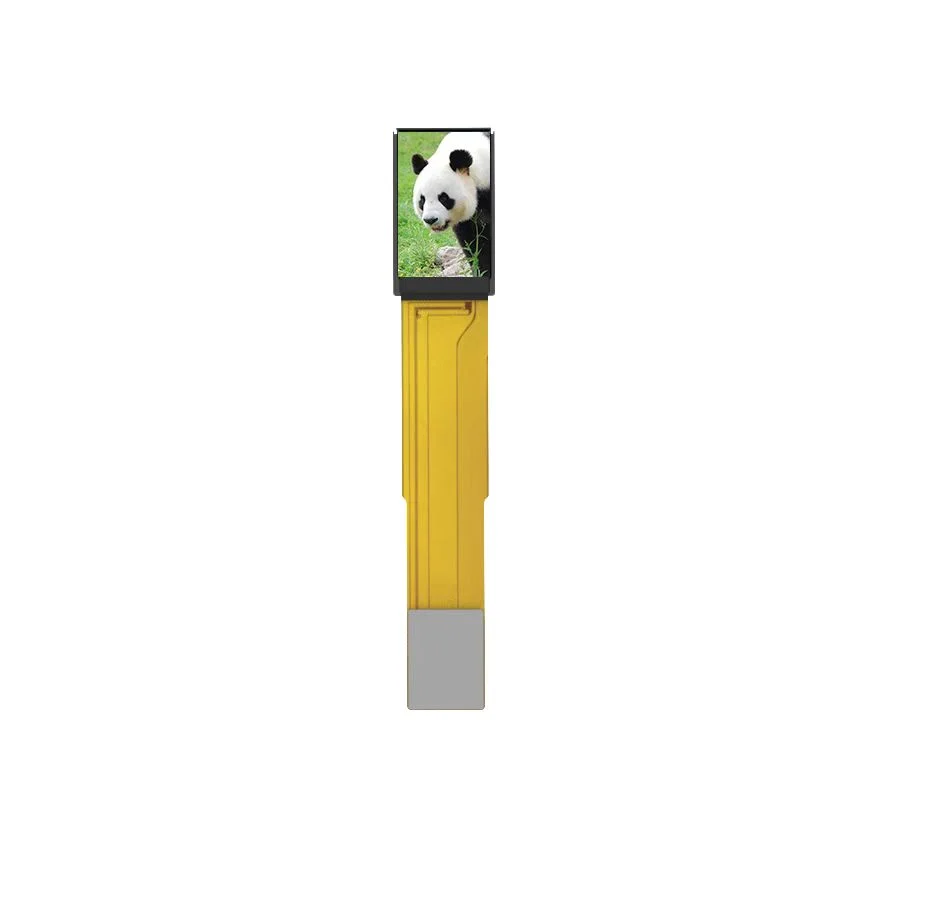
As electronic devices become smaller, lighter, and more sophisticated, display technology must evolve to deliver better visual performance within increasingly limited spaces. From wearable devices and virtual reality headsets to electronic viewfinders and advanced optical systems, manufacturers are looking for display solutions that combine compact dimensions with detailed imagery. A micro oled display represents an important development in this field, offering a technology suited to applications where screen size, image quality, and integration requirements are closely connected.
Understanding Micro OLED Technology
Micro OLED is a display technology that uses organic light-emitting diode materials on a silicon-based backplane. Unlike conventional OLED panels commonly used in smartphones and televisions, micro OLED technology is designed for very small display formats.
Each pixel produces its own light, which allows the display to operate without a separate conventional backlight. This self-emissive structure supports compact optical designs and can provide strong contrast and detailed images.
Because the display is built on a silicon substrate, manufacturers can develop high pixel densities within relatively small screen areas. This makes the technology particularly relevant for devices that require magnified viewing through optical components.
Why Compact Displays Matter in Modern Electronics
The demand for smaller electronic devices continues to influence product development across several industries. Wearable technology, smart glasses, head-mounted displays, and portable optical equipment all require components that can deliver useful functionality without adding unnecessary size or weight.
Traditional display panels may not always meet the dimensional requirements of these applications. Microdisplay technologies offer an alternative by concentrating a large amount of visual information into a small physical area.
This is especially valuable in devices where the display is viewed through lenses or other optical systems. Instead of looking directly at a large screen, users view an enlarged virtual image created by the optical arrangement.
Applications Across AR and VR Systems
Augmented reality and virtual reality are among the most interesting application areas for microdisplay technology.
In virtual reality headsets, compact displays can work with optical lenses to create immersive visual experiences. The display's resolution, refresh characteristics, brightness, and optical compatibility all influence the final viewing experience.
Augmented reality devices have different requirements because they combine digital information with the user's view of the real world. Their display systems must fit into compact hardware while supporting clear visual information.
Micro OLED technology can also be considered for electronic viewfinders, wearable displays, and specialised imaging equipment. The exact suitability depends on the device design and the specifications of the display module.
Important Performance Factors to Evaluate
Selecting a microdisplay involves more than comparing screen dimensions. Engineers and product developers should consider several technical characteristics.
Resolution and pixel density: A high pixel density can help produce detailed images within a small display area.
Brightness: The required brightness depends on the application, optical arrangement, and surrounding lighting conditions.
Contrast: Self-emissive pixels can support deep blacks and strong contrast, which are useful for detailed visual content.
Power consumption: Energy requirements matter particularly in battery-powered wearable devices.
Display dimensions: The physical size must match the available space within the target product.
Optical compatibility: Lenses, magnification systems, and other optical components must work appropriately with the selected display.
Operating requirements: Refresh rate, interface, thermal conditions, and other specifications should be evaluated according to the intended application.
Careful consideration of these factors helps manufacturers select components that meet their design objectives.
Integration Challenges in Advanced Optical Devices
Although micro OLED technology offers several advantages, successful integration requires careful engineering. The display is only one part of a complete optical system.
Lens design, eye relief, field of view, image alignment, thermal management, and mechanical positioning can all influence the final performance. Even a high-quality display may not deliver the expected results if the surrounding optical components are poorly matched.
Product developers should therefore evaluate the display and optical system together during the design process. Early testing can help identify compatibility issues and reduce the need for extensive modifications later.
The Future of Microdisplay Technology
As demand for wearable electronics, immersive entertainment, and compact professional equipment grows, microdisplay technology is expected to remain an important area of development.
Advances in pixel density, manufacturing processes, optical integration, and energy efficiency may create new opportunities for smaller and more capable devices. Applications in industrial inspection, medical visualisation, specialised cameras, and portable viewing systems may also benefit from continued progress.
Manufacturers and technology developers will need to balance visual performance, production costs, power requirements, and device comfort when developing future products.
Conclusion
Micro OLED technology is helping expand the possibilities of compact visual systems by combining self-emissive display architecture with high pixel density in a small format. Its potential applications include AR and VR devices, electronic viewfinders, wearable electronics, and specialised optical equipment. Successful implementation depends on selecting suitable specifications and ensuring compatibility with the complete optical design. Businesses exploring advanced visual technologies can learn more about the available micro oled display options when evaluating components for their next-generation products.

 English
 Arabic
 French
 Spanish
 Portuguese
 Turkish
 Dutch
 Italiano
 Russian
 Romaian
 Portuguese (Brazil)
 Greek