


Building Smarter Fleet Operations Through Connected GPS and Asset Monitoring
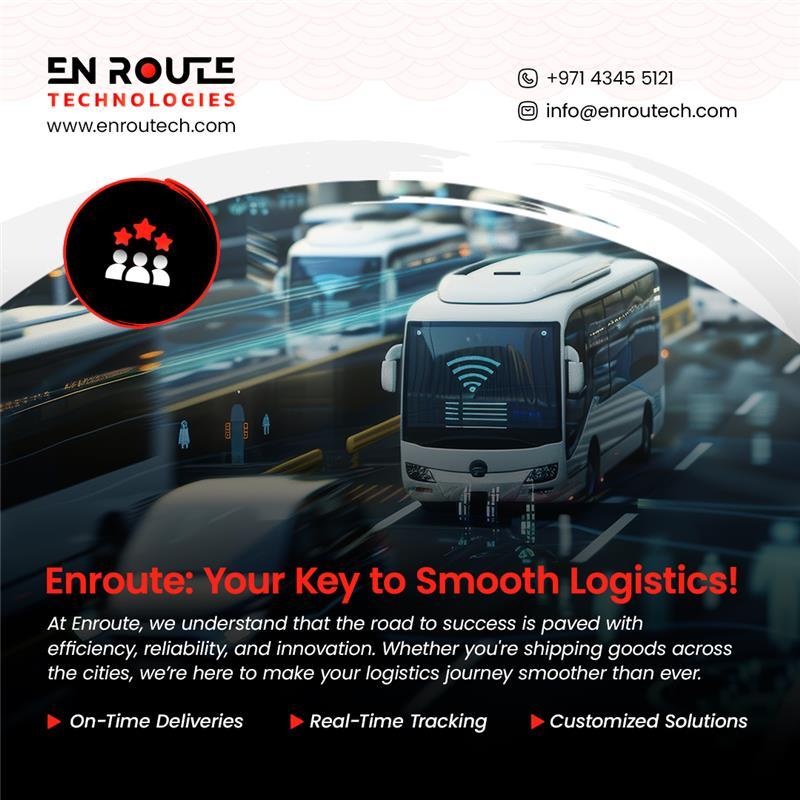
Managing a fleet requires more than knowing where vehicles are located. Businesses must coordinate daily operations, monitor fuel consumption, protect valuable assets, and maintain control over transportation activities. As fleets expand, these responsibilities become more complex. Therefore, companies need connected technology that provides accurate operational information and supports better decisions.
Integrated fleet technology helps organizations improve visibility, identify inefficiencies, and manage resources more effectively. By combining vehicle location data, operational reporting, asset oversight, and fuel information, businesses can establish a more structured approach to fleet management.
Why Fleet Visibility Matters for Growing Businesses
Fleet visibility plays an important role in transportation, logistics, construction, and service operations. Without reliable information, managers may struggle to understand vehicle movements, investigate delays, or evaluate daily performance.
A modern GPS Tracking System helps businesses monitor vehicle locations and review movement information through a centralized platform. This visibility allows fleet managers to understand how vehicles are being used throughout the working day.
Moreover, location information can support operational planning. Managers can review vehicle activity, identify unnecessary journeys, and make more informed decisions when assigning transportation resources.
Bringing Daily Activities Under Centralized Management
Managing vehicles individually can create unnecessary administrative work. Different teams may maintain separate records for vehicle assignments, operating schedules, maintenance requirements, and driver activities. Consequently, important information can become difficult to organize.
A connected Fleet Management System brings essential fleet information into a structured management environment. Depending on the platform configuration, businesses can review vehicle records, operational activities, maintenance information, and performance reports from one place.
This centralized approach improves coordination between departments. For example, operations teams can review vehicle availability while maintenance personnel monitor upcoming service requirements. As a result, managers gain a clearer understanding of fleet performance.
Improving Control Over Vehicle Movements
Vehicle movement is a major consideration for businesses operating delivery fleets, service vehicles, passenger transportation, and commercial transport operations.
A reliable Vehicle Tracking System provides information about vehicle locations and movement history. This helps managers review routes, investigate unexpected stops, and understand how vehicles are being utilized.
Furthermore, tracking information can support communication between drivers and dispatch teams. When managers have better visibility, they can make more informed decisions about vehicle assignments and respond to changing operational requirements.
For organizations operating across multiple locations, this information becomes especially valuable because it creates a consistent view of vehicle activity.
Choosing the Right GPS Technology Partner in Dubai
Selecting suitable technology is an important step when improving fleet operations. Businesses should consider their fleet size, operational requirements, reporting needs, hardware compatibility, and future expansion plans before implementing a tracking solution.
Working with an experienced Gps Provider in Dubai can help organizations identify technology that matches their operational environment. The right provider should understand the practical challenges of managing commercial vehicles and offer solutions that support business requirements.
In addition, businesses should evaluate platform usability, technical support, integration possibilities, and reporting capabilities. These considerations help ensure that the selected system remains useful as operational demands change.
Managing Vehicles and Non-Vehicle Assets More Effectively
Fleet operations often involve more than cars, vans, and trucks. Companies may also depend on generators, trailers, machinery, containers, and other equipment to complete daily activities.
An effective Asset Management System helps organizations maintain better oversight of their valuable resources. Depending on the available configuration and tracking technology, businesses can monitor asset locations, review utilization, and maintain organized asset records.
This is particularly useful for construction, logistics, infrastructure, and industrial operations where equipment frequently moves between different sites.
Better asset visibility can also help managers identify underused resources. Consequently, businesses can improve equipment allocation, reduce unnecessary purchases, and make better use of existing investments.
Understanding Fuel Consumption Across Fleet Operations
Fuel is one of the major operating expenses for many transportation businesses. However, controlling fuel costs requires more than reviewing monthly invoices. Managers need reliable information about consumption patterns and possible inefficiencies.
A Fuel Monitoring System can help businesses review fuel-related information and improve oversight of consumption. Depending on the installed sensors and system configuration, it may provide information about fuel levels, usage patterns, and unusual changes.
By reviewing this information alongside vehicle activity, managers can investigate potential inefficiencies and identify areas that require attention.
For example, comparing fuel consumption with distance travelled and operating hours can provide useful performance insights. In turn, businesses can develop more informed fuel management procedures.
Using Operational Data to Improve Decision-Making
Connected fleet technology creates information that managers can use to evaluate business performance. However, collecting data alone does not guarantee better results. Organizations must review the information regularly and connect it with practical operational objectives.
Several performance areas deserve attention:
-
Vehicle utilization: Review how frequently vehicles are used and identify resources that remain inactive.
-
Route performance: Examine travel patterns and investigate unnecessary distance or repeated delays.
-
Fuel efficiency: Compare fuel consumption with vehicle activity to identify unusual patterns.
-
Asset availability: Understand where equipment is located and whether it is being used effectively.
-
Maintenance planning: Monitor service requirements to support better maintenance scheduling.
-
Operational reporting: Use consistent reports to evaluate performance and identify areas for improvement.
These measurements help managers move beyond assumptions and make decisions based on operational evidence.
Creating a More Connected Fleet Management Strategy
The greatest value of fleet technology comes from using different operational information together. Vehicle tracking, fuel monitoring, asset oversight, and fleet administration should support a common management strategy rather than operate as disconnected activities.
For example, vehicle location information can help managers understand where resources are operating. Fuel records can provide additional insight into operating costs, while asset information supports equipment allocation. When these details are reviewed together, businesses gain a more complete understanding of their operations.
Additionally, organizations should establish clear procedures for reviewing reports, assigning responsibilities, and responding to operational issues. Consistent processes make technology more useful and encourage teams to act on the information available.
Preparing Fleet Operations for Future Growth
As businesses expand, fleet management requirements also change. More vehicles, additional operating locations, larger teams, and increased asset requirements can place pressure on existing processes.
A scalable technology strategy helps organizations prepare for these changes. Businesses should choose solutions that can accommodate additional vehicles, support different asset categories, and provide useful reporting as operational requirements develop.
En Route Technologies supports businesses with GPS tracking, fleet management, vehicle monitoring, asset oversight, and fuel management solutions. By bringing essential operational information into a connected environment, organizations can strengthen fleet visibility and improve resource management.
Ultimately, smarter fleet operations depend on accurate information, consistent monitoring, and informed decision-making. With the right technology and management processes, businesses can improve operational control, manage costs more effectively, and build a stronger foundation for long-term growth.

 English
 Arabic
 French
 Spanish
 Portuguese
 Deutsch
 Turkish
 Dutch
 Russian
 Romaian
 Portuguese (Brazil)
 Greek