


Understanding Islamic Will Planning and Protecting Your Family’s Future
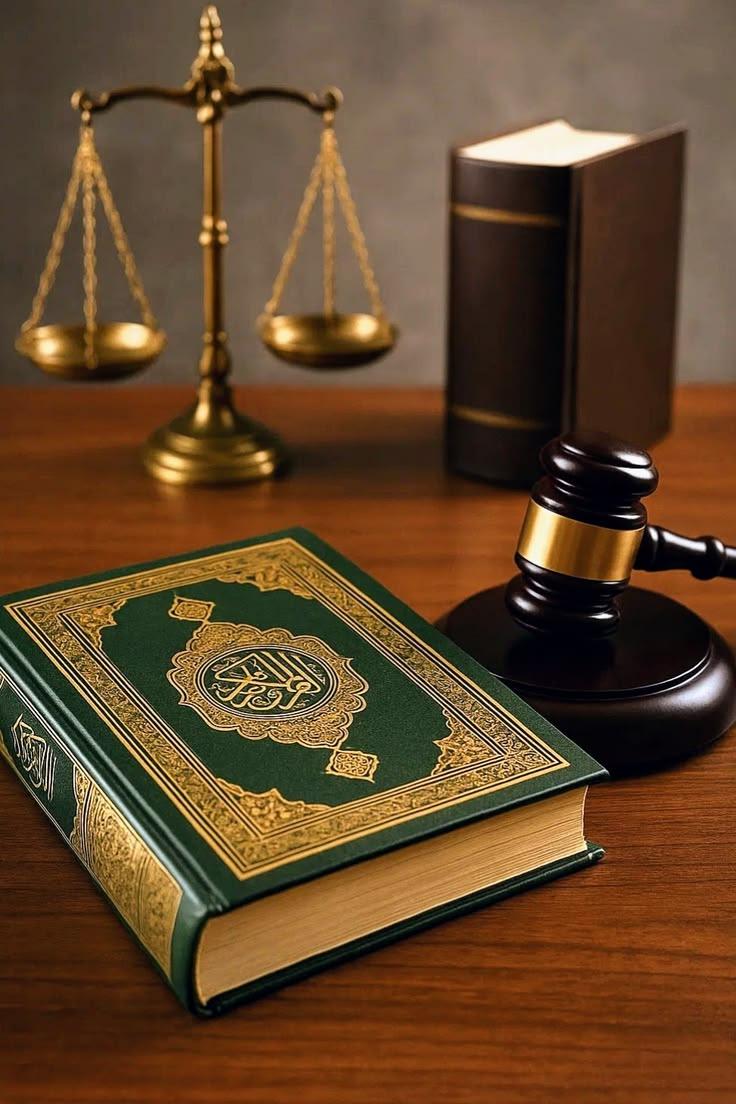
Understanding islamic law london is an important part of preparing a will that respects your religious beliefs while meeting the legal requirements of the UK. For Muslims living in London, making an Islamic Will helps ensure that their estate is distributed according to Sharia principles and that their family’s future is properly considered. A carefully prepared will can also provide clear instructions about guardianship, charitable gifts, funeral arrangements and the responsibilities of appointed executors.
Why Is an Islamic Will Important?
An Islamic Will is more than a document explaining who should receive your property and savings. It provides a structured way to manage your estate in accordance with Islamic inheritance principles while ensuring your wishes are properly documented.
Without a valid will, the distribution of your estate may be determined by UK intestacy rules. These rules do not automatically follow Islamic inheritance requirements, which can create difficulties for families who want their assets distributed according to their faith.
Preparing an Islamic Will allows you to consider your family's circumstances in advance and establish clear arrangements for your estate. It can also reduce uncertainty and help prevent disagreements between beneficiaries after your death.
Understanding Sharia Inheritance Principles
Islamic inheritance rules identify specific family members who may be entitled to receive shares of a deceased person's estate. These principles are explained in the Quran, particularly in Surah An-Nisa, which discusses inheritance and the rights of family members.
Generally, Islamic inheritance planning allows up to one-third of an estate to be allocated through bequests, subject to applicable Sharia rules. The remaining estate is distributed among eligible heirs according to their prescribed inheritance shares.
A person may choose to use the permitted bequest portion to support a charitable organisation, provide for someone who is not a fixed-share heir or establish a Sadaqah Jariya arrangement.
However, the circumstances of every family are different. The number of surviving relatives, existing financial responsibilities and the nature of the estate can all affect inheritance planning. Professional guidance can help ensure that the arrangements are properly considered.
What Should You Include in an Islamic Will?
A well-prepared Islamic Will should address the important decisions that may affect your family and estate. Although individual requirements differ, several areas deserve careful consideration.
1. Appointment of Executors
Executors are responsible for administering your estate after your death. They may need to identify assets, settle outstanding debts, manage legal responsibilities and distribute the remaining estate to the appropriate beneficiaries.
Choosing trustworthy and capable executors can make the administration process more organised.
2. Guardianship of Children
Parents with young children should consider appointing suitable guardians in their will. This provides important guidance about who should take responsibility for their children if both parents pass away.
It is advisable to discuss this responsibility with the proposed guardians before making the appointment.
3. Distribution of Assets
Your will should clearly explain how your estate is intended to be distributed. This may include property, savings, investments, personal belongings and other valuable assets.
Clear instructions can help reduce confusion and support the administration of your estate.
4. Funeral and Burial Wishes
Muslims may wish to include instructions regarding Islamic funeral arrangements and burial preferences. Recording these wishes can help family members understand your preferences during a difficult time.
5. Charitable Bequests
You may also wish to leave a portion of your estate to a charitable organisation or arrange ongoing charitable contributions. These provisions should be carefully drafted within the permitted Islamic bequest rules.
Finding Islamic Wills Near London
Finding experienced legal professionals is an important step when preparing a Sharia-compliant will. People looking for islamic wills near London should consider solicitors who understand both Islamic inheritance principles and the requirements of English and Welsh law.
A specialist solicitor can help explain how religious inheritance rules interact with UK legislation, identify potential legal complications and prepare a document that reflects your individual circumstances.
It is particularly important to consider property ownership, family arrangements, outstanding debts and inheritance tax when planning your estate. Taking professional advice early can help you make informed decisions and avoid unnecessary complications later.
Professional Guidance for Islamic Will Planning
Farani Taylor Solicitors provides legal support for individuals and families who want to prepare Islamic Wills in accordance with their religious beliefs and UK legal requirements.
The firm's Islamic Wills have been authenticated by Shaykh Sulaiman Gani, an Imam and specialist Sharia scholar in Islamic inheritance. This provides an important foundation for clients seeking guidance on religious inheritance principles.
The legal team can assist with estate planning, inheritance arrangements, executors, guardianship provisions and the preparation of appropriate will documentation.
The firm has also been awarded a tender with the East London Mosque and London Muslim Centre to provide Islamic Wills to their members. This reflects its involvement in supporting the community with Islamic estate planning.
Every family's circumstances are different, so obtaining advice that considers your personal and financial situation is essential.
Islamic Wills and Inheritance Tax Planning
Inheritance tax is another important consideration when preparing an Islamic Will in the UK. Depending on the value and structure of an estate, inheritance tax may affect the amount ultimately received by beneficiaries.
The standard inheritance tax rate is generally 40% on the taxable portion of an estate above the available threshold, subject to applicable exemptions and reliefs.
Islamic inheritance arrangements can sometimes create additional estate planning considerations, particularly where assets are intended to pass to several family members rather than entirely to a surviving spouse.
Trust planning and life interest arrangements may be worth considering in suitable circumstances. However, their suitability depends on the family's requirements, tax position and the relevant legal rules.
A solicitor with experience in Islamic estate planning can explain the available options and help you understand how to balance Sharia inheritance principles with UK tax considerations.
Keeping Your Islamic Will Updated
Preparing a will is not necessarily a one-time task. Your personal circumstances may change over the years, making it important to review your arrangements regularly.
Consider reviewing your will when:
-
You get married or divorced.
-
You have children or additional dependants.
-
You purchase or sell property.
-
Your financial circumstances change.
-
You wish to appoint different executors or guardians.
-
Your charitable or inheritance preferences change.
Keeping your will updated helps ensure that it continues to reflect your wishes and current circumstances.
Get Professional Advice on Your Islamic Will
Preparing an Islamic Will is an important way to organise your estate, protect your family's interests and ensure your religious principles are considered in your inheritance arrangements.
With appropriate legal guidance, you can make informed decisions about beneficiaries, guardianship, charitable bequests and inheritance tax planning while ensuring that your document meets the relevant UK legal requirements.
If you are considering preparing or updating an Islamic Will, seeking specialist advice can help make the process clearer and more straightforward. Contact the legal team to discuss your circumstances and understand the options available.

 Arabic
 French
 Spanish
 Portuguese
 Deutsch
 Turkish
 Dutch
 Italiano
 Russian
 Romaian
 Portuguese (Brazil)
 Greek