


How to Select Client Gift Basket Contents Based on Recipient Interests
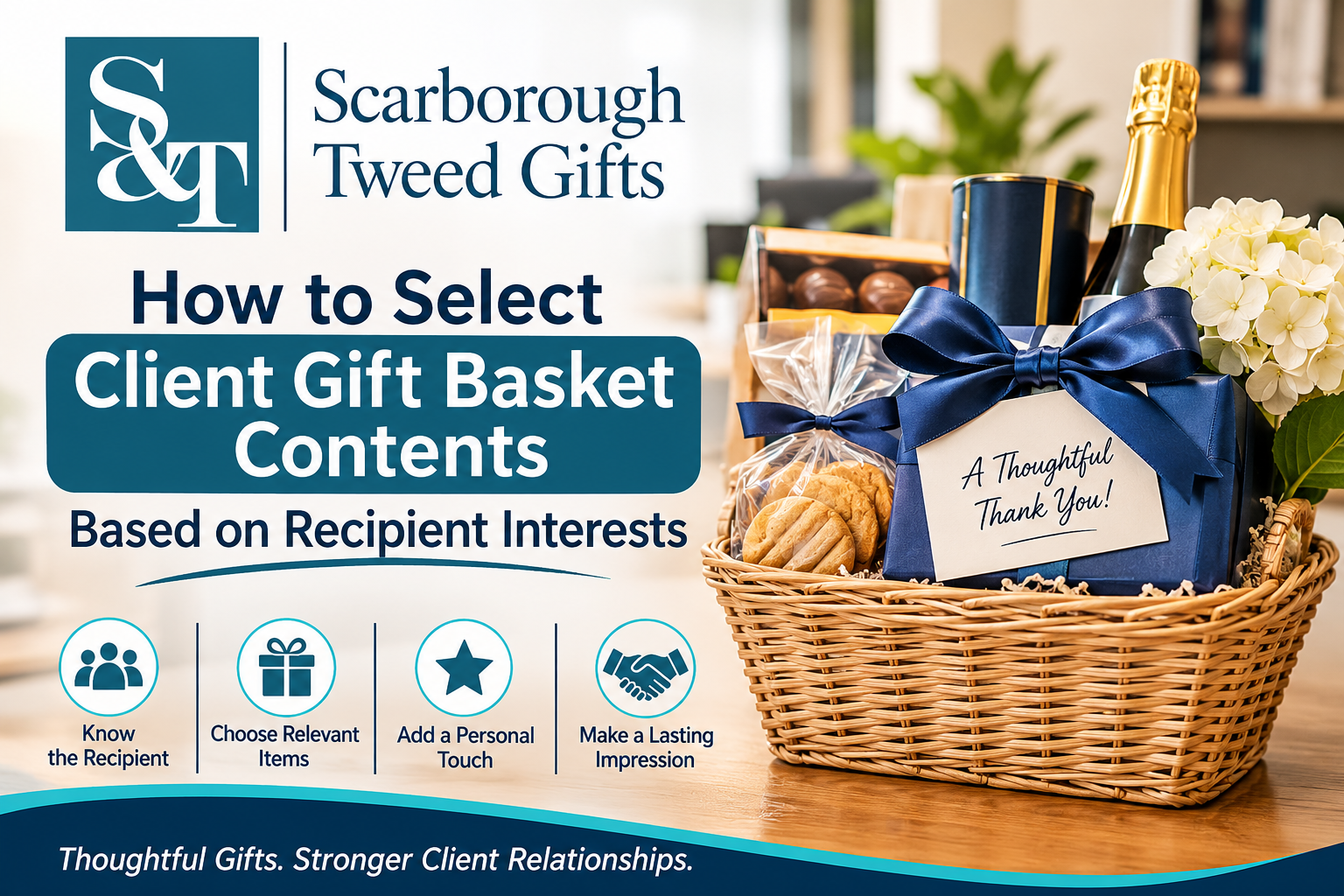
The best gift baskets are never random. They reflect something real about the person who opens them. A coffee lover gets a tin of beans, a traveler gets something that packs well, and a reader gets a handsome notebook. This guide shows how to learn what a client enjoys and turn that knowledge into a basket that feels chosen for them. It includes practical client gift basket ideas for common interests, along with advice on safety, balance, and presentation.
The Quick Answer
Learn one or two real interests for each client, choose a few items that serve those interests, and add one neutral piece that anyone would use. Keep the basket small and the quality high. If you know very little about a client, lean on practical items such as drinkware, stationery, or a well made pouch.
The sections below explain how to collect interest information, how to translate it into products, and how to avoid common missteps.
Why Interests Matter More Than Price
A modest gift that matches a person's habits often lands better than an expensive one that misses. Clients receive many gifts during busy seasons, and the ones they remember are the ones that seem to know them. A pound of favorite coffee says more than a generic fruit tray ever could.
Matching also shows attention. When a basket reflects what a person enjoys, it can feel like a premium corporate gift even if the budget is moderate, because the thought behind it is easy to see. Interest based gifting also reduces waste, since people keep and use what suits them.
How to Learn What a Client Enjoys
You do not need to ask direct questions or dig through private details. Everyday contact already holds plenty of clues.
Listen During Regular Conversations
Small talk before a meeting often reveals hobbies, travel plans, family traditions, and favorite places to eat. Make short notes right after the call so the detail does not fade.
Use Your Own Records
A client relationship file can hold simple facts such as a preferred coffee order, a favorite sports team, or a mention of a new puppy. Keep these notes professional and limited to what the client shared willingly.
Ask Colleagues
Account managers, assistants, and project leads often know details that never reach a formal record. A quick check with the team can fill in gaps.
Respect Boundaries
Stick to public and voluntarily shared information. Avoid guessing about health, religion, or family circumstances. When in doubt, choose a gift that works for anyone.
Matching Basket Contents to Common Interests
Each interest below pairs with a few product ideas. Pick two or three pieces and add a note that refers to the interest.
Coffee and Tea
Offer a small bag of quality beans or loose leaf tea, a reusable tumbler, and a simple mug or infuser. Add a handwritten line about a favorite brewing method if you know it.
Cooking and Entertaining
Consider olive oil, a spice set, a wooden serving board, or a simple cocktail kit. Choose items that look good on a counter and can be shared with guests.
Wellness and Rest
Candles in soft scents, a plush throw, a sleep mask, and herbal tea suit people who value calm. Keep fragrances mild, since strong scent is a matter of personal taste.
Fitness and the Outdoors
An insulated bottle, a light towel, and a canvas ditty bag for keys, a wet towel, or a snack suit runners, hikers, and gym regulars. Practical items win here, because this audience values function over decoration.
Reading and Learning
A quality notebook, a pen with good balance, a bookmark, and a gift card for a local bookstore suit readers and lifelong learners. Leather or cloth covers add a touch of permanence. A reader who travels may also like a slim book light or a bookmark with a short handwritten line from you.
Travel and Commuting
Frequent travelers appreciate organization. A luggage tag, a passport cover, and a small zip pouch for chargers and cables all earn a place in a carry on. These items are light, easy to ship, and used on every trip.
Golf and Sports
A towel, a divot tool, a ball marker, and a small pouch for tees suit golfers. For fans of a team, choose neutral colors and keep logos from a favorite team out unless you are sure of the allegiance.
Home and Design
A candle, a ceramic dish, a small plant, or a framed print appeal to people who care about their space. Choose neutral colors and timeless shapes that blend into many rooms.
Style and Fashion
Clients who enjoy clothing may like a scarf, gloves, or a textured layer. Apparel needs sizing, so use it only when you have reliable measurements or can offer exchanges. For example, a tweed shirt women's cut follows a different pattern than a men's version, so check each size chart before ordering.
Food, Drink, and Safety
Edible items add warmth, but they also carry responsibility. Include an ingredient list with every food product. Avoid nuts in mixed baskets when you cannot confirm allergies. Offer a nonalcoholic option in place of wine or spirits, and consider cultural and religious practices before including meat, alcohol, or sweets.
When a client has shared a dietary need, honor it carefully and double check labels. If you are unsure, choose items such as tea, coffee, or a candle, which fit a wide range of needs. Packaging should keep food separate from non food items so scents do not mix.
When You Know Very Little
New contacts and large lists often come with no personal detail. In that case, build around a theme that suits most people. A workday basket with a notebook, a pen, and a travel mug works for almost everyone. A comfort basket with tea, a candle, and a small treat is another safe choice.
These baskets still benefit from a personal note. Even a line that thanks the client for a specific project makes the gift feel less generic. As you learn more, move to more tailored choices. Strong client gift basket ideas improve over time because each relationship adds new detail.
Building Balance Inside the Basket
A simple three layer approach keeps the contents focused. The first layer is a core item that everyone can use, such as drinkware or stationery. The second layer is an interest item that reflects what the client enjoys. The third layer is a small surprise, such as a local treat or a handwritten card.
Three to five pieces are usually enough. A crowded basket hides each item and feels like a sampler. Leave space around every piece so the client can see what was chosen and why.
Choosing the Container
The container should suit the recipient too. A structured tote or a reusable bag stays in use long after the contents are gone, while a box with a keepsake lid suits desk and shelf use. A canvas ditty bag inside the larger container organizes loose items and doubles as a second gift. Traditional wicker looks warm but often ends up unused.
Scarborough & Tweed introduced the original banker bag in 1992 and offers custom bags with options such as embroidered logos and leather handles. A bag like this can serve as a keepsake container for a client who travels often.
Presentation and Notes
Use clean tissue, a tidy arrangement, and a card that explains why the basket was chosen. One sentence is enough. Something like "I remembered you mentioned your new espresso machine" shows attention in a way that logos never can. Keep branding small and place it where the client will see it without effort. Handwritten cards tend to be kept on desks for weeks, while printed inserts often go straight into the recycling bin. If the budget allows, add the client's name in the sender's own handwriting, because that small detail signals real attention.
Budget Tiers and Value
Set tiers by relationship and use the same format across each tier so the program stays consistent. A basic tier suits new contacts and small accounts. A middle tier suits steady clients and annual thank yous. A top tier suits strategic partners.
Count every cost, including the container, contents, decoration, packaging, assembly, storage, and shipping. Compare quotes on the same specifications so you are judging like for like. A premium corporate gift does not require a large budget when each item is chosen with purpose and presented with care.
Logistics and Timing
Start planning at least two to three months before the gift date for a large program. Gather interest notes, group clients by theme, request samples, and place orders. Leave time for assembly, packing, and shipping.
Kitting, the practice of assembling items into one package, makes interest based programs manageable. A supplier that offers kitting, storage, and direct shipping can pack many different baskets without moving items between vendors. Check delivery times for clients in other regions, and plan around items that cannot travel easily, such as fresh food or liquids. Build a short buffer into the schedule for weather delays, and ship to office addresses only when you know someone will be present to receive the package.
Mistakes to Avoid
The first mistake is assuming interests from stereotypes. The second is choosing a gift that suits the sender and not the client. The third is overfilling the basket so nothing stands out. The fourth is overlooking dietary or cultural needs. The fifth is leaving out a personal note, which removes the main reason for choosing by interest in the first place.
Questions to Ask Before You Order
Practical questions help prevent surprises. Useful topics include item availability, substitutions, minimum quantities, decoration options, production time, and shipping rules for food and liquids. For any apparel, request size charts and exchange terms, and when a tweed shirt women's style is part of the plan, confirm that the supplier offers both men's and women's cuts. Written answers make comparison easier. Ask also about order changes, because interest based programs often shift as you learn more about each client. Confirm who handles damaged or late deliveries, and get the return process in writing before you commit.
Working With a Gifting Supplier
A supplier can help sort a large client list into themes and handle assembly. Scarborough & Tweed lists corporate gifting, custom bags, kitting and bundles, company stores, onsite gifting, and storage and fulfillment among its services. It also mentions in house customization and kitting.
Bring your interest notes, budget, and gift date to the first conversation, and ask to see samples. A short planning session at the start keeps a varied program organized.
Final Thoughts
Choosing basket contents by interest takes a little extra effort, but it pays off in how clients respond. Learn what each person enjoys, pick a few quality items to match, keep one practical anchor in every basket, and add a note that shows you were paying attention.
The strongest client gift basket ideas begin with the person and not the product. When a basket reflects something real about the client, the gift stops being a routine gesture and becomes a reminder of a relationship worth keeping.
Frequently Asked Questions
Q: How do I learn a client's interests?
A: Listen during regular conversations, keep short professional notes, and check with colleagues who work with the client. Use only information the client shared willingly and avoid guessing about private matters such as health, family, or beliefs.
Q: What if I know nothing about the client?
A: Choose a neutral basket with items nearly everyone uses, such as a notebook, a pen, and a travel mug, or tea and a candle. A personal note that thanks the client for a specific project makes the gift feel far less generic and more considered.
Q: How many items should a basket hold?
A: Three to five pieces are usually enough. Combine a core item, an interest item, and a small surprise. A smaller basket looks more intentional, lets the client see each gift clearly, and keeps shipping costs lower.
Q: Is food safe to include in a client basket?
A: Yes when handled carefully. Include ingredient lists, avoid nuts in mixed baskets unless you know allergies, and offer nonalcoholic options. When you are unsure, choose items such as tea, coffee, or candles that suit most needs.
Q: How early should I plan interest based baskets?
A: Start two to three months ahead for large programs. Allow time to gather notes, request samples, assemble baskets, and ship them, especially during busy holiday seasons when suppliers and carriers fill up quickly.

 English
 Arabic
 French
 Spanish
 Portuguese
 Deutsch
 Turkish
 Dutch
 Italiano
 Russian
 Portuguese (Brazil)
 Greek