


What to Know Before Buying GLP-1 Meds in the USA
GLP-1 medications have become one of the most discussed treatment options in the United States for weight management and type 2 diabetes. As interest grows, so does confusion around what these medicines do, how they are prescribed, where they can be purchased, and what buyers should watch for before making a decision. If you are researching options, it is important to separate medical facts from online hype and to understand the legal and safety issues that come with these drugs.
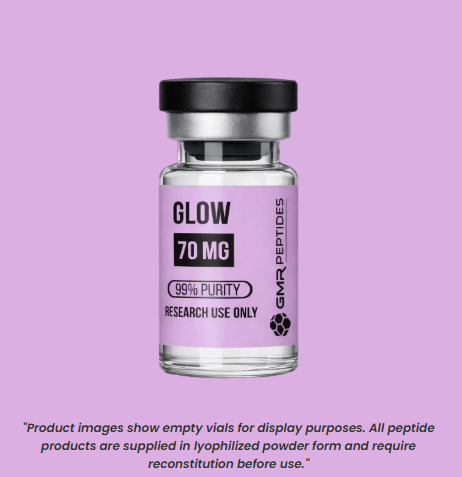
GLP-1 medications are not casual wellness products. They affect appetite, blood sugar, digestion, and in some cases long-term metabolic health. That means buying them should never be treated like ordering a routine supplement. People often search for related terms such as glp 3 for sale while trying to compare options, but the first step should always be understanding what the product is, whether it is approved for your intended use, and whether it comes from a legitimate source.
Before buying, it helps to know the difference between FDA-approved prescription medications, compounded versions, and research-only products. Each carries different risks, different rules, and different expectations for quality. The details matter because a mistake here can affect your health, your wallet, and your legal standing.
Key points
- GLP-1 medications are prescription drugs used for diabetes and, in some cases, weight management.
- Not every product marketed online is FDA approved or appropriate for personal use.
- Buying from a licensed pharmacy and working with a healthcare professional is the safest path.
- Side effects, dosing, storage, and drug interactions should be reviewed before starting treatment.
- Scams, counterfeit products, and misleading claims are common in online markets.
What GLP-1 Medications Actually Do
GLP-1 stands for glucagon-like peptide-1, a hormone involved in blood sugar regulation and appetite control. GLP-1 receptor agonists mimic this hormone to help the body manage glucose more effectively and, in many patients, reduce hunger. Some are prescribed for type 2 diabetes, while others are approved for chronic weight management in adults with obesity or overweight plus related medical conditions.
These medications can help slow stomach emptying, which may make people feel full longer. They can also improve insulin response after meals. Because of these effects, they are widely used in clinical care, but they are not appropriate for everyone. A medical evaluation is essential before use.
Why a Prescription Matters
In the USA, most legitimate GLP-1 medications require a prescription. That is because the drug choice, dose, and monitoring plan should be based on your medical history, current medications, and treatment goals. A prescription is not just paperwork. It is part of the safety process.
A clinician may review whether you have a history of pancreatitis, gallbladder disease, thyroid cancer, severe gastrointestinal problems, or other concerns that could make treatment risky. They may also check whether your current medications raise the chance of low blood sugar or whether your insurance may cover the medication.
Questions to ask your provider
- Is this medication approved for my condition?
- What side effects should I expect in the first few weeks?
- How will we adjust the dose over time?
- Are there foods, supplements, or medicines I should avoid?
- What warning signs mean I should stop and call a doctor?
Understanding FDA Approval and Off-Label Use
Not all GLP-1 products are approved for the same purpose. Some are approved for diabetes, some for weight management, and some are being studied for other uses. In the United States, doctors can prescribe approved medications off-label when they believe it is medically appropriate. That does not mean every version sold online is legal, safe, or suitable for consumers.
It is important to read labels carefully and verify whether the product is an FDA-approved medication, a compounded formulation prepared by a licensed pharmacy, or a product sold as a research chemical. These categories are not interchangeable.
What to Watch for When Buying Online
Online purchasing can be convenient, but it also creates room for fraud and unsafe products. Some websites use polished branding and big claims to appear trustworthy while offering products that may not meet medical standards. Before buying, check the basics carefully.
Red flags to avoid
- No prescription required for a medication that normally needs one
- Promises of rapid or guaranteed results
- Unclear ingredient lists or vague product descriptions
- No physical business address or licensed pharmacy information
- Prices that seem far below normal market rates
- Pressure tactics such as countdown timers or fake urgency
Counterfeit medications are a real concern. A product may be mislabeled, contaminated, underdosed, overdosed, or not contain the stated ingredient at all. If you are buying online, make sure the seller can be verified, the pharmacy is licensed, and the packaging and documentation are consistent with legitimate medical products.
Compounded GLP-1 Medications: What They Are and What They Are Not
Compounded medications are made by specialized pharmacies when a patient needs a formulation that is not commercially available or when a prescriber determines it is medically necessary. In some cases, compounded versions may be used when a drug shortage exists. However, compounded drugs are not the same as FDA-approved products. They do not go through the same approval pathway for safety and effectiveness.
That does not automatically make them unsafe, but it does mean buyers should be more cautious. The compounding pharmacy should be licensed, and the prescribing clinician should explain why that version is being used. Ask where the medication is made, how it is stored, and whether the pharmacy follows state and federal standards.
Storage, Handling, and Dosing Matter
GLP-1 medications are often sensitive to temperature and handling. Some require refrigeration before use, while others have specific storage instructions after opening. If a medication is shipped improperly or left at the wrong temperature, its effectiveness can be reduced.
Dosing is another area where mistakes can happen. These medications are usually started at a low dose and increased gradually to reduce side effects. Taking more than prescribed does not speed up safe results and can increase nausea, vomiting, dehydration, and other complications.
Practical handling tips
- Read the storage instructions before the first dose
- Use only the prescribed amount and schedule
- Keep the medication out of reach of children
- Do not use a product if packaging is damaged or suspicious
- Confirm whether refrigeration is required during shipping and after delivery
Common Side Effects and When to Seek Help
The most common side effects of GLP-1 medications involve the digestive system. Nausea, constipation, diarrhea, bloating, and reduced appetite are all possible, especially during dose changes. For many people, these effects improve over time, but they should still be monitored.
Seek medical advice promptly if you experience severe abdominal pain, persistent vomiting, signs of dehydration, allergic reactions, or symptoms that suggest blood sugar is dropping too low. If you have diabetes and use insulin or certain other medications, the risk of hypoglycemia may be higher.
It is also wise to tell your provider about all supplements and over-the-counter products you use. Interactions are not always obvious, and some digestive issues can become worse when multiple products are taken together.
How to Compare Sources Before Buying
When comparing where to buy GLP-1 meds in the USA, focus on legitimacy rather than convenience alone. A trustworthy source should be transparent about licensing, prescribing requirements, shipping practices, and return policies. If a seller avoids those questions, that is a warning sign.
Look for these indicators of reliability:
- A valid prescription process
- Licensed pharmacy verification
- Clear contact information
- Accessible pharmacist support
- Detailed medication and storage instructions
- Realistic claims about expected results
It can also help to check whether your insurance covers a brand-name option or whether a pharmacy benefit manager requires prior authorization. If cost is a concern, ask your clinician about alternatives, patient assistance programs, or clinically appropriate substitutes.
Legal and Safety Considerations in the USA
U.S. consumers should understand that the legality of buying a drug depends on what it is, how it is marketed, and who is dispensing it. A medication can be legal only in certain settings, with a prescription, through a licensed provider or pharmacy. Products marketed for “research” are generally not intended for consumer self-treatment.
Buying from an unverified source may expose you to safety risks and may also create legal issues. If you are unsure whether a product is appropriate for personal use, pause and verify the source with a healthcare professional or pharmacist before ordering.
Conclusion
Buying GLP-1 medications in the USA requires more than comparing prices or reading online reviews. These are powerful prescription drugs that should be chosen carefully, prescribed appropriately, and monitored by a qualified clinician. The safest approach is to verify the product, confirm the source, understand the side effects, and make sure the treatment fits your medical needs.
If you take the time to ask the right questions, check licensing information, and avoid unrealistic promises, you can reduce the risk of counterfeit products and make a more informed decision. In the end, the best purchase is the one that supports both your health and your peace of mind.
FAQ
Do GLP-1 medications require a prescription in the USA?
Yes, most legitimate GLP-1 medications require a prescription. This helps ensure the medication is appropriate for your condition and that you are monitored for side effects and dosing changes.
Are compounded GLP-1 medications the same as FDA-approved versions?
No. Compounded medications are prepared by pharmacies and are not reviewed through the same FDA approval process as brand-name products. They may be used in certain situations, but they are not identical.
What are the biggest risks when buying GLP-1 meds online?
The biggest risks include counterfeit products, improper storage, misleading claims, unlicensed sellers, and medications that are not appropriate for your health history.
How can I tell if an online pharmacy is legitimate?
Check for prescription requirements, pharmacy licensing, a real business address, pharmacist access, and clear product information. If the seller avoids basic questions, consider that a warning sign.
What side effects should I expect at the start?
Nausea, constipation, diarrhea, bloating, and reduced appetite are common early side effects. These"

 English
 Arabic
 French
 Portuguese
 Deutsch
 Turkish
 Dutch
 Italiano
 Russian
 Romaian
 Portuguese (Brazil)
 Greek