


Why Does Caifu Agricultural Water Pump Design Matter for Modern Farming
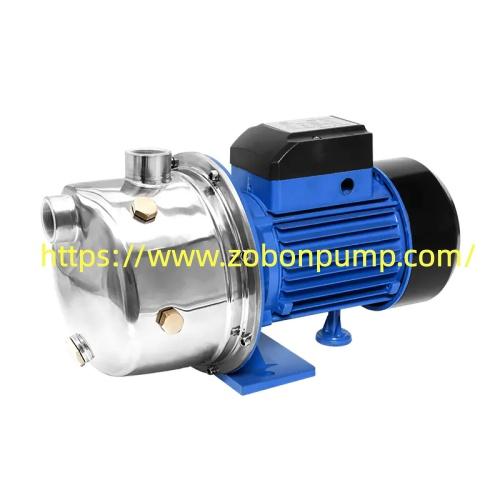
Agricultural Water Pump selection plays an important role in how farms organize irrigation, manage water resources, and maintain everyday agricultural activities. Behind a reliable irrigation arrangement are several decisions that deserve attention, including construction materials, mechanical design, water source conditions, and installation planning. Farmers managing orchards, vegetable gardens, greenhouses, or larger cultivation areas may face different challenges depending on their land conditions and irrigation methods. Understanding these differences helps buyers evaluate equipment according to actual farming needs rather than simply comparing product appearances.
Water sources are an important starting point when planning an irrigation system. Some farms draw water from wells, while others use reservoirs, rivers, ponds, or storage tanks. Each source may involve different conditions, such as suspended particles, sediment, or variations in water quality. These characteristics influence the equipment configuration that should be considered. Before purchasing, farmers should identify the source, examine the water conditions, and discuss whether filtration or additional protective arrangements are necessary.
Material selection is another consideration that can influence long term maintenance. Equipment housings, impellers, shafts, seals, and connecting components may use different materials according to their intended applications. Cast iron is commonly used in mechanical housings because of its structural properties. Stainless steel can be considered where corrosion resistance is an important requirement, while certain lightweight components may use alternative materials.
However, there is no single material suitable for every agricultural environment. Water characteristics, surrounding conditions, possible chemical exposure, and operating habits should all be considered. For example, equipment used near agricultural chemical storage or in environments with corrosive substances may require a different material evaluation from machinery handling relatively clean water. Buyers should communicate these details with manufacturers before confirming an order.
Another issue farmers frequently encounter is choosing between different mechanical designs. Centrifugal equipment is widely used in irrigation systems because its rotating impeller creates fluid movement. Submersible designs operate below the water surface and can be considered for wells, tanks, and other submerged applications. Self priming designs may be suitable for certain installations where drawing water from a source requires particular suction arrangements.
These categories serve different purposes, so choosing one should depend on the installation environment. A greenhouse may have different distribution requirements from an orchard or an open agricultural field. The distance between the source and irrigation area, pipeline layout, elevation changes, and intended water delivery method all deserve attention during project planning.
The internal structure also influences how equipment operates. Impellers guide fluid movement, while shafts transfer rotational force from the motor. Bearings support mechanical movement, and seals help control leakage around rotating sections. These components work together, making their coordination important when evaluating equipment construction.
Motor compatibility should also be reviewed. Electrical supply conditions, installation surroundings, ventilation, and protective arrangements can influence the operating experience. In agricultural environments where equipment may be exposed to moisture, dust, or outdoor weather, suitable installation protection deserves particular attention.
Technology has also changed how farms manage irrigation activities. Automatic control arrangements can help coordinate water delivery according to system requirements. Float switches may be used in certain water level management applications, while pressure control devices can support specific distribution arrangements. Some agricultural systems also integrate timers or automated controllers to coordinate irrigation schedules.
These functions should be selected according to actual needs. A small greenhouse may require a relatively straightforward operating arrangement, while a larger farm may need several distribution areas and coordinated control equipment. Adding unnecessary functions can complicate operation, so buyers should focus on practical value and compatibility with existing infrastructure.
Ease of maintenance is equally important for agricultural users. When equipment is installed in remote fields or storage areas, complicated servicing can interrupt routine farm activities. Accessible inspection points, understandable instructions, and convenient replacement procedures can help make maintenance more manageable.
Farm operators should regularly check for unusual vibration, noise, leakage, loose electrical connections, and visible component wear. Keeping the surrounding area clean and ensuring suitable ventilation can also support equipment management. Seasonal preparation deserves attention as well, particularly in regions where cold weather, dry periods, or changes in water availability affect irrigation schedules.
The manufacturing process behind agricultural machinery is another useful purchasing consideration. Product design, material processing, component assembly, inspection, and packaging all contribute to the finished product. Buyers may also benefit from discussing customization requirements when standard configurations do not match existing farm infrastructure.
Caifu offers several fluid handling product categories, including submersible, centrifugal, self priming, jet, and multistage designs. Its manufacturing capabilities and customization services provide opportunities for customers to discuss product arrangements according to their project requirements. This can be useful for agricultural distributors, irrigation contractors, and farm operators sourcing equipment for different installation environments.
Choosing suitable machinery ultimately requires a clear understanding of water sources, crop irrigation arrangements, construction materials, and maintenance expectations. A carefully planned purchasing process can help farmers coordinate equipment with their existing infrastructure and daily working routines. For agricultural businesses reviewing irrigation solutions or planning new projects, Caifu provides product information and manufacturing details through https://www.zobonpump.com/ here buyers can review available categories and contact the company to discuss equipment options for their farming applications.

 English
 Arabic
 French
 Spanish
 Portuguese
 Deutsch
 Turkish
 Dutch
 Italiano
 Russian
 Romaian
 Portuguese (Brazil)