


Essential Skills Every Beginner Should Learn Before Driving Alone
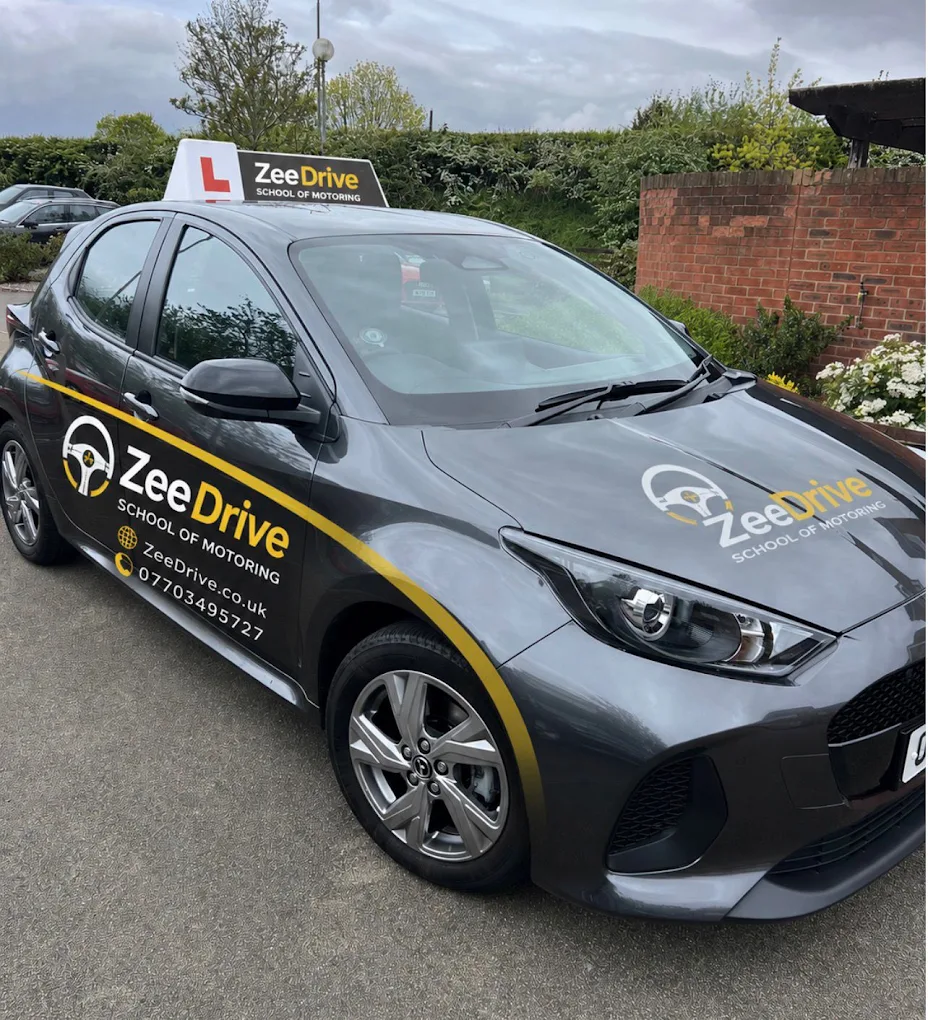
Learning to drive is an important milestone that brings greater independence, convenience, and confidence. However, becoming a safe driver involves much more than simply understanding how to operate a vehicle. Beginners must develop essential driving skills, understand road regulations, and learn how to respond to unexpected situations. Taking professional lessons at a reputable intensive driving lessons oxford can help new drivers build a strong foundation and prepare for the responsibilities of driving independently.
Before getting behind the wheel alone, it is important to develop practical skills that make everyday journeys safer and more manageable. Here are some essential abilities every beginner should learn before driving without supervision.
1. Understanding Vehicle Controls
One of the first things beginners should learn is how to operate the basic controls of a vehicle. Drivers need to understand the functions of the accelerator, brake, clutch, steering wheel, indicators, headlights, windscreen wipers, and mirrors.
Knowing where these controls are located and how they work helps drivers concentrate on the road rather than searching for the correct button or lever.
Beginners should also learn how to adjust their seats, head restraints, and mirrors before starting the engine. A comfortable driving position improves visibility and allows better control of the vehicle.
Practising these basic operations regularly helps new drivers become familiar with their vehicles and reduces unnecessary distractions during journeys.
2. Developing Proper Observation Skills
Good observation is one of the most important skills for safe driving. Drivers must constantly monitor their surroundings, identify potential hazards, and make decisions based on changing road conditions.
Beginners should learn to check their mirrors frequently, look ahead for developing situations, and remain aware of vehicles approaching from different directions.
Blind spots also require particular attention because some vehicles, cyclists, and motorcyclists may not appear in standard mirrors. Before changing lanes or moving away from the kerb, drivers should check their blind spots where necessary.
Developing strong observation habits helps drivers anticipate problems rather than reacting to them at the last moment.
3. Learning How to Control Speed
Maintaining an appropriate speed is essential for safe and responsible driving. New drivers sometimes focus too heavily on staying within the speed limit without considering whether their speed is suitable for the current conditions.
For example, driving at the maximum permitted speed may not be safe during heavy rain, poor visibility, or congested traffic.
Beginners should understand how to accelerate smoothly, brake gradually, and maintain a safe distance from the vehicle ahead. They should also become familiar with speed limit signs and changing restrictions in different areas.
Learning to control speed properly provides better vehicle stability and gives drivers more time to respond to unexpected situations.
4. Mastering Steering and Vehicle Positioning
Steering accurately requires practice, coordination, and an understanding of the vehicle's dimensions. Beginners should learn how to maintain a steady position within their lane, negotiate bends, and make controlled turns at junctions.
Correct vehicle positioning is equally important. Drivers need to understand where their vehicle should be positioned when approaching roundabouts, preparing to turn, or navigating narrow roads.
Parking is another essential skill. Practising parallel parking, reverse parking, and entering parking spaces helps beginners handle everyday situations with greater confidence.
Rather than rushing to master everything, new drivers should practise these manoeuvres gradually until they can perform them safely and consistently.
5. Understanding Road Signs and Traffic Rules
Every driver must understand road signs, traffic signals, and the rules governing public roads. These regulations help maintain order, reduce confusion, and protect everyone using the road.
Beginners should become familiar with warning signs, speed restrictions, directional signs, pedestrian crossings, and road markings.
Understanding priority rules is particularly important when approaching junctions and roundabouts. Drivers must know when to give way, when they have priority, and how to respond to traffic signals.
In the UK, learners should also understand the Highway Code and its guidance on sharing roads with pedestrians, cyclists, motorcyclists, and other vehicles.
A strong understanding of road regulations helps beginners make informed decisions and avoid dangerous mistakes.
6. Practising Defensive Driving
Defensive driving means staying alert, anticipating possible hazards, and taking sensible precautions to avoid accidents.
New drivers should never assume that other road users will always follow traffic rules. A vehicle might suddenly change lanes, a pedestrian may cross unexpectedly, or another driver might brake without warning.
Maintaining a safe following distance, avoiding unnecessary overtaking, and staying aware of surrounding traffic are important defensive driving habits.
Beginners should also avoid aggressive driving behaviours, including sudden acceleration, excessive braking, and unnecessary lane changes.
The goal is not simply to reach a destination quickly but to complete every journey safely.
7. Learning How to Handle Different Road Conditions
Driving conditions can change significantly depending on the weather, time of day, and road environment. Beginners should understand how these factors influence vehicle control and visibility.
Rain can make roads slippery, while fog reduces visibility and requires additional caution. Driving at night also presents challenges because drivers must manage headlight use and identify hazards in reduced lighting.
New drivers should learn to adjust their speed, increase following distances, and use appropriate vehicle lights when conditions change.
Practising under different conditions with a qualified instructor can help beginners develop the experience needed to handle challenging situations responsibly.
8. Building Confidence Without Taking Unnecessary Risks
Confidence is important, but it should come from experience and good judgement rather than overestimating personal abilities.
Some beginners become nervous when driving in busy traffic, navigating unfamiliar roads, or performing manoeuvres in front of other vehicles. These feelings are common, but avoiding challenging situations entirely can slow down progress.
The best approach is to practise gradually, starting with quieter roads before progressing to more demanding environments.
Drivers should also recognise their limitations. If they feel tired, distracted, or emotionally unsettled, postponing a journey may be the safest decision.
True driving confidence comes from knowing how to manage different situations while understanding when extra caution is necessary.
9. Preparing for Unexpected Situations
Even experienced drivers encounter unexpected situations, so beginners must understand how to respond calmly and safely.
They should know what to do if another vehicle breaks down, a warning light appears on the dashboard, or they experience a tyre problem.
Learning basic vehicle maintenance, such as checking tyre pressure, monitoring fluid levels, and identifying dashboard warning symbols, can also prevent avoidable problems.
Drivers should keep emergency contact information accessible and understand how to stop safely if a vehicle develops a mechanical issue.
Being prepared for unexpected situations reduces panic and helps drivers make sensible decisions when problems arise.
Conclusion
Driving independently requires a combination of technical ability, road awareness, confidence, and responsible decision-making. Beginners should focus on mastering vehicle controls, developing observation skills, understanding traffic regulations, and learning how to handle different road conditions.
Professional instruction and consistent practice provide the foundation for these abilities. However, learning does not stop after passing the driving test. Every journey offers an opportunity to improve, gain experience, and develop safer driving habits.
By building these essential skills before driving alone, beginners can approach independent driving with greater confidence and make safer decisions on the road.

 English
 French
 Spanish
 Portuguese
 Deutsch
 Turkish
 Dutch
 Italiano
 Russian
 Romaian
 Portuguese (Brazil)
 Greek