


Advanced Progressive Lens Designs for Modern Eyewear
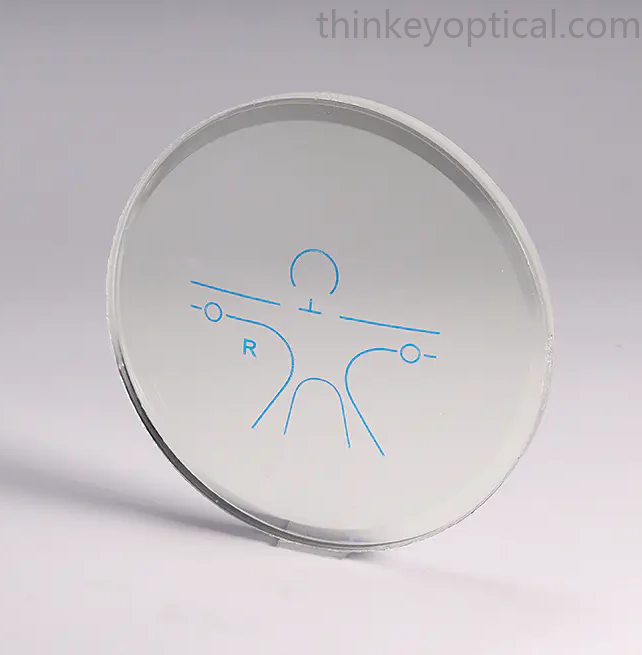
The demand for multifocal eyewear continues to influence optical lens development as consumers look for convenient ways to manage different viewing distances with one pair of glasses. Progressive technology provides a continuous change in optical power across the lens surface, allowing wearers to access distance, intermediate, and near vision without the visible dividing line associated with conventional bifocals. For buyers evaluating Optical Progressive Lenses, understanding the optical structure, design variations, fitting requirements, and manufacturing considerations helps establish suitable product specifications for different customer groups.
Progressive lenses are primarily designed for people who require correction for more than one viewing distance. Age-related changes in the eye's ability to focus on nearby objects are a common reason for choosing this lens category. Rather than switching between separate distance and reading glasses, users can access different optical powers through designated regions of the same lens. The design gradually changes from the upper distance area to the lower near area, with an intermediate corridor connecting the two.
The distance zone is generally positioned in the upper portion of the lens and supports activities such as walking, watching television, and viewing objects across a room. The intermediate region is commonly used for computer screens, dashboards, and other working distances. The lower section provides additional optical power for reading, writing, and close-up tasks. The precise size and distribution of these regions depend on the progressive design, prescription, and lens geometry. Users access the different zones by changing their gaze and head position.
One important characteristic of progressive lenses is the gradual variation in optical power. Unlike bifocal lenses, which have separate areas divided by a visible boundary, progressive designs create a continuous transition. This provides a more integrated appearance and supports multiple viewing distances within one lens. However, the optical design also creates peripheral areas of unwanted astigmatism, commonly referred to as unwanted astigmatic regions. The distribution of these areas varies according to the design and its optimization priorities.
Different progressive designs may offer different balances between distance clarity, intermediate viewing, near vision, and peripheral distortion. Some designs prioritize a wider distance area, while others emphasize near or intermediate viewing. Occupational progressive lenses, for example, may be developed for specific working environments where computer and near tasks are more important than long-distance viewing. General-purpose progressive lenses are intended to support a broader range of daily activities. Buyers should distinguish between these categories when evaluating products for different customer requirements.
Digital freeform technology has expanded the possibilities for progressive lens customization. By using computer-controlled processing, manufacturers can create complex surface geometries according to defined optical parameters. Depending on the product and manufacturing system, designs may incorporate prescription values, frame measurements, and other fitting information. This approach provides flexibility in developing different lens configurations and can support customized optical solutions. Nevertheless, the actual benefits depend on the design quality, processing accuracy, and suitability of the selected parameters.
Material selection is another essential factor. Progressive lenses can be produced using different optical materials, including conventional plastic, polycarbonate, and high-index materials. Each has different characteristics in terms of refractive index, weight, impact resistance, thickness, and processing requirements. Conventional plastic is widely used for everyday prescription applications. High-index materials may help reduce thickness for stronger prescriptions, while polycarbonate may be considered where impact resistance and reduced weight are priorities. The appropriate option should be selected according to prescription requirements and frame construction.
Lens geometry and frame dimensions influence how the progressive design performs after installation. Important considerations include lens height, corridor length, base curve, frame shape, and the position of the lens relative to the wearer's eyes. A frame with limited vertical space may restrict the available progressive designs. Larger frames may provide more room for different viewing zones, although frame size alone does not determine optical suitability. Retailers should confirm minimum fitting requirements before placing an order.
Accurate measurements are particularly important for progressive eyewear. Pupillary distance helps establish the horizontal positioning of the optical zones, while fitting height determines the vertical placement of the progressive design. Other fitting factors, including pantoscopic tilt, vertex distance, and frame curvature, may also affect the final optical relationship. Measurements should be taken with the selected frame properly adjusted on the wearer. Incorrect fitting information can place the viewing zones in unsuitable positions and make adaptation more difficult.
Manufacturing quality directly influences the consistency of the finished lens. Depending on the design, production may involve casting, digital surfacing, polishing, edging, and surface coating. Optical inspection may include sphere power, cylinder, axis, prism, addition power, reference markings, and dimensional accuracy. Surface inspection is also necessary to identify scratches, polishing defects, coating irregularities, or contamination. For distributors purchasing in volume, consistent inspection procedures help maintain product quality across different production batches.
Coatings provide additional options for improving lens usability. Anti-reflective treatments reduce reflections from the front and back surfaces, while hard coatings help improve resistance to ordinary surface abrasion. Hydrophobic and oleophobic treatments can make cleaning easier by reducing the adhesion of water droplets and oily marks. Certain products may also incorporate UV-related protective properties. Buyers should verify the specific coating configuration rather than assuming that every progressive lens includes the same surface treatments.
For optical wholesalers and importers, product selection should reflect the intended market and customer requirements. A comprehensive purchasing evaluation may include available addition powers, prescription ranges, refractive indices, progressive design options, coating combinations, lens diameters, and production lead times. Buyers should request technical specifications and representative samples to assess optical quality and manufacturing consistency. Packaging, product identification, order quantities, and communication procedures should also be clarified before commercial orders are confirmed.
Retailers and optical professionals play an important role in helping new progressive lens wearers adapt. Customers should understand how to use the different viewing zones and why head movement may be necessary for certain tasks. If visual discomfort continues, the prescription, frame adjustment, and fitting measurements should be reviewed. Proper product selection and accurate fitting are therefore essential parts of the overall eyewear service.
For businesses developing a progressive lens product portfolio, it is useful to evaluate Optical Progressive Lenses according to optical design, material options, fitting requirements, production consistency, and the needs of the target market. Procurement teams can compare technical information and explore additional optical product categories through https://www.thinkeyoptical.com/ when planning their sourcing and distribution strategies.

 English
 Arabic
 French
 Spanish
 Portuguese
 Deutsch
 Turkish
 Dutch
 Italiano
 Romaian
 Portuguese (Brazil)
 Greek