


Long-Term Results After Gynecomastia Surgery: Maintaining a Flatter Chest
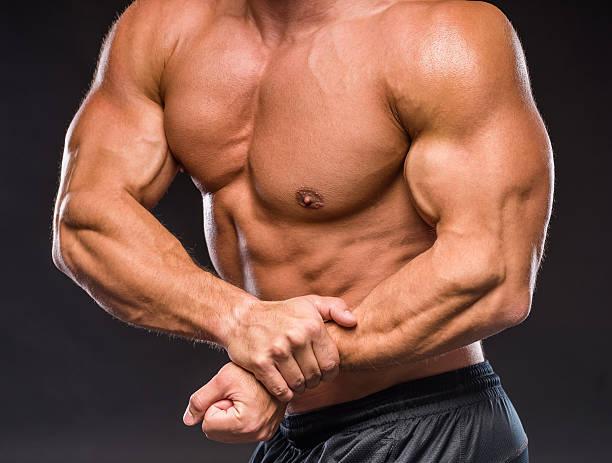
Gynecomastia can affect more than the appearance of the chest. For some men, enlarged breast tissue may influence clothing choices, confidence, and comfort during everyday activities. Gynecomastia Surgery in Riyadh (جراحة التثدي في الرياض) Understanding what happens after surgery and how to maintain the outcome can help patients develop realistic expectations and make informed decisions about long-term care.
Gynecomastia Surgery in Riyadh is a procedure designed to reduce excess male breast tissue and create a flatter chest contour. Although surgery can provide lasting changes, maintaining the results involves understanding the factors that influence chest appearance, following recovery guidance, and addressing changes in overall health and body weight.
Understanding Long-Term Results After Surgery
The results of gynecomastia surgery can be long-lasting when the underlying breast tissue is appropriately treated. The procedure may involve removing glandular tissue, excess fat, or both, depending on the individual's condition and surgical assessment.
Once excess glandular tissue is removed, it generally does not return in the same way. However, the chest can still change because of weight fluctuations, hormonal changes, certain medications, or other medical conditions. Long-term results therefore depend on more than the procedure itself.
How the Chest Appearance Changes Over Time
The chest may look different immediately after surgery compared with its final appearance. Swelling, bruising, and temporary firmness can affect the initial contour. As healing progresses, these changes gradually settle, allowing the chest shape to become more defined.
The final outcome may take several months to become clear. Patients should avoid judging their results too early and attend recommended follow-up appointments to monitor healing.
Factors That Influence Long-Term Chest Contours
Several factors can affect how the chest looks in the years following surgery. Understanding them helps patients recognize which changes are part of normal body variation and which may require medical evaluation.
Maintaining a Stable Body Weight
Significant weight changes can influence the amount of fat stored around the chest. Although surgery addresses existing excess tissue, future weight gain may increase chest fat and alter the overall contour.
Maintaining a stable weight through balanced nutrition and regular physical activity can support general health and help preserve the surgical outcome. Extreme dieting or sudden weight changes are not necessary for maintaining results.
Understanding Hormonal Changes
Hormones influence breast tissue development in males. Changes associated with certain health conditions, medications, or hormonal imbalances may contribute to new breast enlargement.
Patients who notice renewed swelling or changes in chest tissue should discuss them with a qualified healthcare professional. Identifying the underlying cause is important before considering any additional treatment.
Reviewing Medications and Health Conditions
Some medications and medical conditions can affect breast tissue. Patients should inform their healthcare professional about prescription medicines, supplements, and relevant health changes.
Medication should never be stopped or adjusted without medical advice. A professional assessment can help determine whether a particular medicine or health condition may be contributing to changes in chest appearance.
Supporting Results Through Healthy Lifestyle Habits
Long-term care does not require complicated routines. Consistent, healthy habits can support overall well-being and help patients maintain a comfortable relationship with their post-surgical appearance.
Following a Balanced Nutrition Routine
A balanced diet supports general health and weight stability. Including a variety of vegetables, fruits, whole grains, protein sources, and healthy fats can help meet nutritional needs.
Patients should focus on sustainable eating habits rather than restrictive diets. Individual nutritional needs may vary, particularly during the recovery period.
Returning to Physical Activity Gradually
Physical activity can support general fitness and help maintain a stable weight. However, patients should follow their surgeon's instructions about when to resume exercise, particularly activities involving the chest.
Once medically cleared, a gradual return to regular movement can be helpful. Exercise should support health rather than place unnecessary pressure on healing tissues.
Recognizing Changes After Gynecomastia Surgery
Not every change in chest appearance means that the original condition has returned. Minor differences may occur as the body changes with age, weight, and natural tissue development.
However, new or persistent swelling, a noticeable lump, pain, skin changes, or changes around the nipple should be evaluated by a healthcare professional. Sudden or unexplained changes deserve particular attention.
When to Seek Professional Advice
A medical assessment can help distinguish between normal changes, scar tissue, fat accumulation, and possible recurrence of breast enlargement. Patients should avoid self-diagnosing new symptoms or assuming that another procedure is necessary.
The Gynecomastia procedure in Riyadh may involve different surgical approaches depending on whether excess glandular tissue, fat, or loose skin is present. Any decision about further treatment should follow an individual medical evaluation.
Follow-Up Care and Realistic Expectations
Follow-up appointments allow the healthcare professional to assess healing, review the chest contour, and address concerns. Even after recovery, patients should seek advice if they notice unexpected changes.
It is also important to remember that surgery does not prevent every future change in the body. Natural ageing, weight fluctuations, and medical factors can influence appearance over time. Realistic expectations help patients understand what surgery can achieve and what it cannot guarantee.
Conclusion
Long-term results after gynecomastia surgery depend on appropriate treatment, individual healing, stable health habits, and awareness of changes in the body. Gynecomastia Surgery in Riyadh can help create a flatter chest, while consistent follow-up and a balanced lifestyle may support lasting results. Patients should discuss concerns with a qualified professional rather than attempting to manage unexpected changes independently.
For those seeking expert guidance and customized aesthetic care, you can book an appointment consultation at the Enfield Royal Riyadh (إنفيلد رويال الرياض)..
Frequently Asked Questions
1. How long do gy necomastia surgery results last?
Results can be long-lasting, although weight changes, hormones, and certain health conditions may influence future chest appearance.
2. Can gynecomastia return after surgery?
Treated glandular tissue generally does not return, but hormonal changes or weight gain may cause new chest enlargement.
3. Does weight gain affect gynecomastia surgery results?
Yes. Significant weight gain can increase chest fat and change the contour achieved through surgery.
4. Is exercise important after gynecomastia surgery?
Regular activity supports general health, but patients should resume exercise only when their surgeon confirms it is appropriate.
5. When should I seek advice about chest changes?
Consult a healthcare professional if you notice new lumps, persistent swelling, pain, or unexpected changes in chest appearance.

 English
 Arabic
 French
 Spanish
 Portuguese
 Deutsch
 Turkish
 Dutch
 Italiano
 Russian
 Portuguese (Brazil)
 Greek