


AgTech Market Growth Opportunities Driven by Digital Farming Solutions
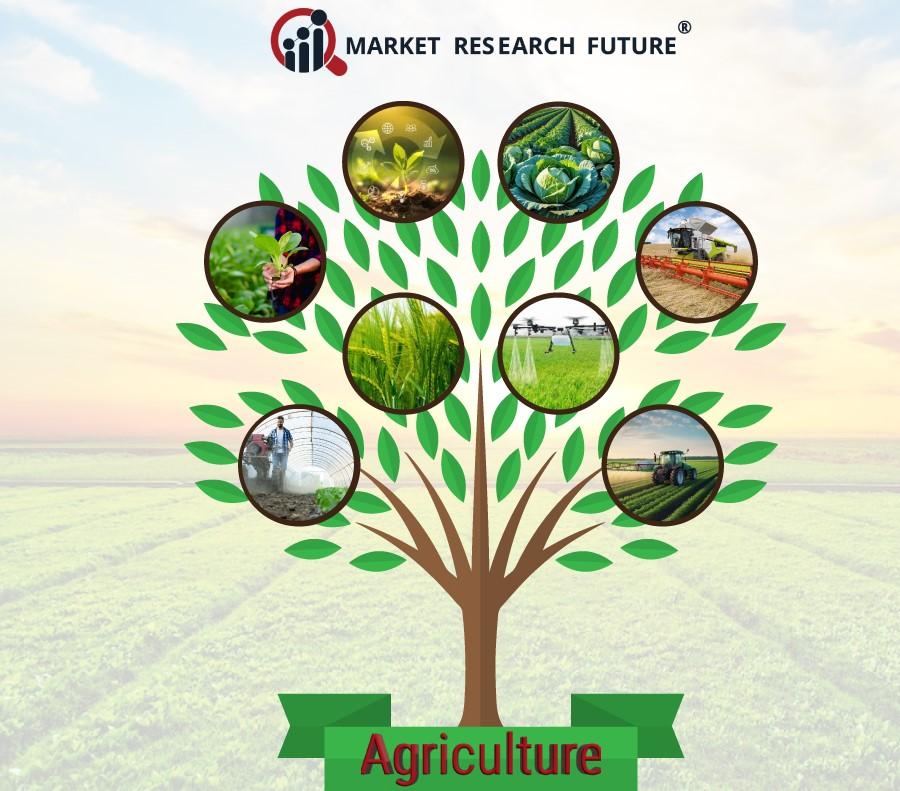
AgTech Market growth is gaining momentum as agricultural businesses increasingly recognize the importance of technology in improving farming operations. Traditional agricultural practices are facing several challenges, including changing climatic conditions, limited natural resources, labor constraints, and increasing pressure to improve food production efficiency. These factors are encouraging farmers, agribusiness companies, and agricultural institutions to explore advanced technological solutions. Digital platforms, automated equipment, connected monitoring systems, and intelligent farm management tools are becoming valuable resources for modern agricultural operations. This transition is creating new opportunities for companies developing technology-based products and services for the agriculture sector.
The increasing use of connected agricultural systems is encouraging demand for digital farm management and agricultural automation solutions. These solutions allow farmers to monitor field activities, manage equipment, organize agricultural information, and improve operational coordination. Farm management software can bring multiple activities together through centralized digital platforms, helping agricultural businesses maintain better visibility across their operations. Connected sensors and monitoring devices can also provide information about soil moisture, temperature, environmental conditions, and crop development. Such technologies are supporting a shift toward more organized and informed farming practices.
A major growth opportunity is emerging through the adoption of smart farming equipment. Modern agricultural machinery is increasingly incorporating GPS technology, automated controls, connected monitoring systems, and advanced data collection capabilities. These features can improve equipment utilization and help farmers manage field activities more efficiently. Smart tractors, automated planting systems, and connected harvesting equipment are examples of technologies supporting agricultural modernization. Manufacturers are also exploring machinery that can communicate with farm management platforms, enabling better coordination between equipment operations and agricultural planning.
The expansion of agricultural drone applications is creating additional opportunities for technology providers. Drones can capture aerial images of agricultural fields and help farmers observe crop conditions across large areas. They can assist with field mapping, vegetation monitoring, irrigation assessment, and agricultural spraying applications where permitted and suitable. Their ability to access difficult-to-monitor areas makes them useful for certain farm management activities. Drone manufacturers and software developers are therefore exploring improved imaging systems, flight automation, data processing tools, and specialized agricultural applications to serve changing industry requirements.
Another important growth area is the application of artificial intelligence in crop management. Agricultural producers increasingly require tools that can convert large amounts of information into practical insights. AI-based platforms can analyze weather patterns, soil information, crop images, and historical agricultural data to identify patterns and support decision-making. These applications may assist with crop disease identification, pest monitoring, irrigation planning, and harvesting decisions. As machine learning technologies develop, software companies have opportunities to introduce more specialized solutions for different crops, agricultural regions, and farming environments.
Livestock technology is also contributing to the wider development of the AgTech ecosystem. Digital monitoring systems, automated feeding equipment, connected identification devices, and livestock management software are helping agricultural businesses improve operational visibility. Wearable monitoring devices can provide information about animal activity and selected health indicators, while automated systems can support feeding and environmental management. These tools are becoming relevant for farms looking to improve productivity and manage larger livestock operations. Technology providers can benefit by creating integrated platforms that connect livestock information with broader farm management systems.
However, the expansion of digital farming solutions depends on overcoming certain adoption barriers. Smaller agricultural businesses may find advanced equipment expensive, while limited internet connectivity and insufficient technical training can affect implementation. Farmers may also hesitate to invest in technologies without clear evidence of their practical benefits. Companies can address these concerns through affordable product models, demonstration programs, training initiatives, and dependable after-sales services. Partnerships with agricultural cooperatives, equipment distributors, research institutions, and government-supported programs can further strengthen technology adoption across different farming communities.
Looking forward, the AgTech industry is expected to benefit from increasing digital integration across crop production, livestock management, agricultural equipment, and farm logistics. The development of connected systems and accessible software platforms may create opportunities for both established technology companies and emerging startups. Greater awareness of resource efficiency and agricultural productivity will continue supporting interest in innovative solutions. Businesses that understand farmers' operational challenges and deliver practical, scalable technologies can establish stronger positions in the evolving digital agriculture landscape.
FAQs
Q1. What factors are driving AgTech Market growth?
Digital transformation, agricultural automation, precision farming, and increasing productivity requirements are key factors.
Q2. How are agricultural drones useful?
They support field mapping, crop monitoring, and aerial agricultural assessment.
Q3. What is farm management software?
It is a digital platform that helps organize and monitor farming activities.

 English
 Arabic
 French
 Spanish
 Portuguese
 Deutsch
 Turkish
 Italiano
 Russian
 Romaian
 Portuguese (Brazil)
 Greek