


Otoplasty for Better Facial Proportions in Islamabad: A Complete Treatment Guide
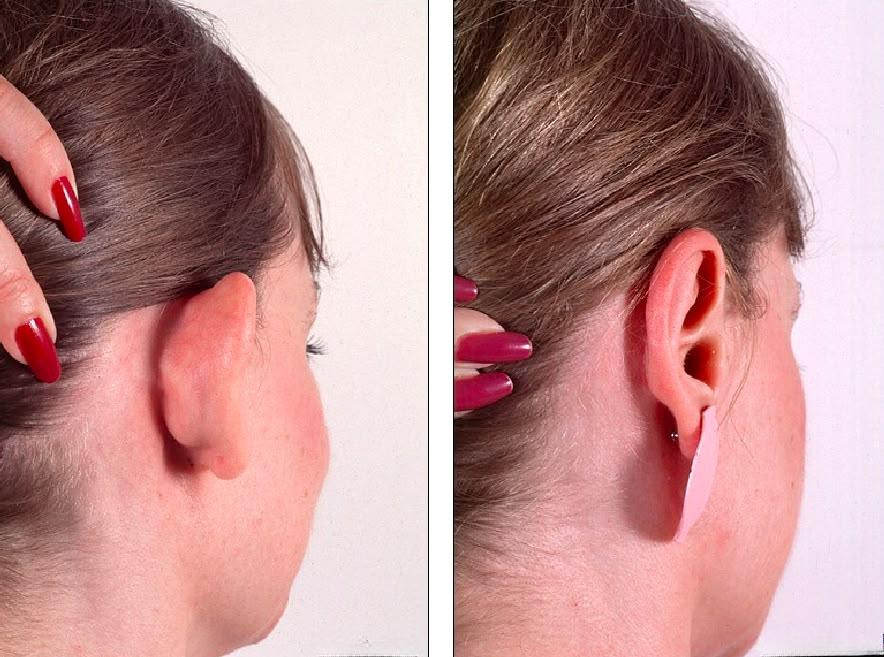
Facial harmony is influenced by the relationship between different facial features, including the ears. Although ears have their own natural shape and position, noticeable projection or uneven contours can sometimes affect how balanced the face appears. People who feel uncomfortable with these differences may explore cosmetic ear surgery as a way to improve their appearance. Ear reshaping surgery in Islamabad offers an opportunity to learn about otoplasty and the techniques used to correct selected ear shape and positioning concerns.
A better understanding of the procedure, treatment planning, and recovery can help individuals make informed decisions before considering surgery.
How Do Ears Influence Facial Proportions?
The ears are positioned on either side of the head and contribute to the overall balance of facial features. Their size, angle, and projection can influence the appearance of the face from the front and side.
When the ears extend significantly outward, they may become more noticeable. Differences in height, cartilage folds, or overall shape can also create visible asymmetry.
Natural variations are common, and minor differences do not necessarily require treatment. However, individuals with specific cosmetic concerns may consider professional evaluation.
What Is Otoplasty?
Otoplasty is a surgical procedure that improves the shape, position, or proportions of the external ears. It is frequently used to correct prominent ears and certain cartilage-related irregularities.
During surgery, the specialist may reshape cartilage, improve natural folds, or reposition the ears closer to the head. Internal sutures may be used to support the corrected structure.
The procedure is planned according to the patient's individual anatomy. Its purpose is to create a natural-looking result that complements existing facial features.
Common Concerns Addressed Through Otoplasty
Otoplasty may be considered for several structural and cosmetic concerns.
Prominent ear projection: Ears that extend farther from the head than desired may be repositioned.
Uneven ear positioning: Differences in the angle or height of the ears may be assessed for correction.
Poorly defined cartilage folds: Surgical reshaping may help create more noticeable natural curves.
Irregular ear contours: Certain structural differences can be improved through cartilage adjustment.
Asymmetrical appearance: Selected differences between the two ears may be addressed through an individualized surgical plan.
The appropriate technique depends on the cause and extent of the concern.
Who May Benefit from Ear Reshaping?
Adults who want to improve prominent or uneven ears may consider otoplasty after a professional consultation. Children may also be candidates for certain procedures once their ears have developed sufficiently.
A suitable candidate should generally be in good health and have realistic expectations about the results. Patients should understand the recovery requirements and possible complications before proceeding.
Individuals with active infections, medical conditions affecting healing, or previous surgical complications may need additional evaluation.
How Is the Treatment Planned?
Treatment planning begins with an examination of both ears. The surgeon evaluates cartilage structure, ear projection, natural folds, symmetry, and the relationship between the ears and surrounding facial features.
Patients should explain which aspects of their appearance they would like to improve. Their medical history, allergies, medications, and previous procedures are also reviewed.
The specialist then explains the recommended technique, anesthesia options, expected recovery, and possible risks. This discussion helps establish realistic goals before surgery.
Preparing for Otoplasty
Proper preparation is an important part of the surgical process. Patients should follow all instructions provided by the medical team, including guidance about medication use and eating or drinking before anesthesia.
It is important to disclose existing health conditions, allergies, and any supplements or medicines being taken. Patients should also arrange transportation home when required and plan to avoid activities that could put pressure on the ears.
Understanding the procedure beforehand can help reduce uncertainty and support better preparation.
Recovery and Postoperative Care
After otoplasty, temporary swelling, bruising, tenderness, and mild discomfort may occur. A protective dressing or supportive headband may be recommended to protect the ears during early healing.
Patients should follow instructions for cleaning the surgical area and taking prescribed medication. Sleeping directly on the ears should be avoided until healing allows it.
Strenuous exercise, contact sports, and activities that could pull or injure the ears should be postponed until the surgeon approves them.
Follow-up appointments help monitor recovery and assess the surgical outcome.
Possible Risks and Expected Results
Otoplasty aims to improve ear position and shape while maintaining natural proportions. The final appearance becomes clearer as swelling decreases.
However, results vary between individuals, and perfectly symmetrical ears cannot be guaranteed. Potential complications include infection, bleeding, scarring, changes in sensation, cartilage irregularities, and the possibility of further surgery.
Patients should discuss these risks with a qualified surgeon before making a decision.
Consider Otoplasty at Enfield Royal Clinic
Selecting a clinic for cosmetic ear surgery requires careful attention to professional qualifications, surgical experience, facility standards, and postoperative support. A detailed consultation should explain the available options and their limitations.
Individuals interested in improving ear appearance and facial proportions in Islamabad can explore consultation options at Enfield Royal Clinic. A personalized assessment can help determine whether otoplasty is appropriate and identify a treatment approach that aims to create a balanced, natural-looking appearance.

 English
 Arabic
 French
 Spanish
 Portuguese
 Deutsch
 Turkish
 Dutch
 Italiano
 Russian
 Portuguese (Brazil)
 Greek