


Decaf Coffee Market Size, Dynamics and Trends by 2031
The growing consumer focus on health and wellness, rising demand for low-caffeine beverages, and increasing preference for premium coffee experiences are driving the growth of the Decaf Coffee Market. Decaffeinated coffee offers consumers the familiar aroma and taste of regular coffee with a significantly reduced caffeine content. It is gaining popularity among individuals seeking to manage their caffeine intake while maintaining their daily coffee-drinking habits. Moreover, growing interest in specialty coffee, flavored beverages, convenient brewing formats, and online coffee subscriptions is encouraging manufacturers to expand their decaf product portfolios. Product diversification and premiumization are further creating opportunities for coffee brands across global markets.
Market Overview
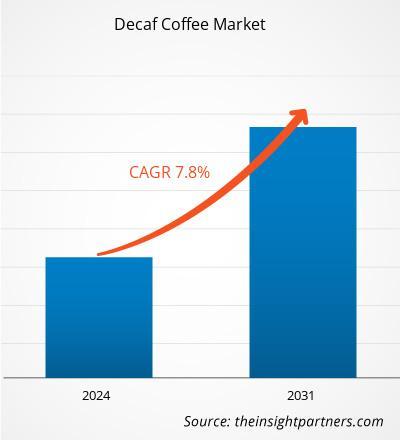
According to The Insight Partners, the Decaf Coffee Market was valued at US$ 6.74 billion in 2023 and is projected to reach US$ 12.33 billion by 2031. The market is expected to register a CAGR of 7.8% from 2023 to 2031. Increasing health awareness, demand for low-caffeine alternatives, and product innovation are supporting the expansion of the global decaf coffee industry.
Decaf coffee is produced by removing most of the caffeine from regular coffee beans through specialized decaffeination processes. Consumers can choose from whole-bean, ground, and other formats, as well as plain and flavored varieties. The availability of decaf coffee through supermarkets, convenience stores, and online retail platforms is improving accessibility and supporting wider adoption.
Decaf Coffee Market Growth Drivers
Growing Health Awareness Supports Decaf Coffee Consumption
Increasing awareness of caffeine consumption and its potential effects on sleep, anxiety, and overall well-being is encouraging consumers to explore decaffeinated beverages. Decaf coffee provides an alternative for people who want to enjoy coffee while reducing their caffeine intake. This growing interest in mindful consumption is supporting demand among different consumer groups, including individuals who prefer to limit caffeine later in the day.
Rising Demand for Low-Caffeine Beverage Alternatives
Changing lifestyles and growing interest in personalized beverage choices are contributing to the popularity of decaf coffee. Consumers are increasingly looking for products that fit their individual preferences and daily routines. Decaffeinated coffee allows consumers to enjoy familiar coffee flavors with less caffeine, supporting demand for plain, flavored, specialty, and premium options.
Expanding Online Sales Channels and E-Commerce Platforms
The growth of online grocery shopping and specialty coffee e-commerce is improving access to decaf coffee products. Online platforms allow consumers to compare brands, explore different roasts and flavors, and purchase products that may not be widely available in local stores. Subscription services and direct-to-consumer channels are also helping coffee brands build customer relationships and encourage repeat purchases.
Key Trends in the Decaf Coffee Market
Product Diversification and Premiumization
Product diversification is an important trend shaping the decaf coffee industry. Manufacturers are expanding beyond traditional decaffeinated coffee by introducing specialty blends, single-origin varieties, organic options, flavored products, and convenient coffee pods. Premium product positioning and differentiated taste profiles are helping brands attract consumers who seek quality and variety.
Growing Popularity of Flavored Decaf Coffee
Flavored decaf coffee is gaining attention among consumers looking for more diverse coffee experiences. Brands are developing products with distinctive flavor profiles to appeal to customers who want alternatives to conventional coffee. Flavored lattes, specialty blends, and seasonal offerings are helping expand consumption occasions and attract new customers.
Increasing Adoption of Convenient Coffee Formats
Convenience is influencing purchasing decisions across the coffee industry. Ground coffee, single-serve pods, capsules, and other easy-to-prepare formats are supporting at-home consumption and busy lifestyles. Decaf coffee manufacturers are expanding their product selections to provide consumers with convenient options without compromising on taste and quality.
Opportunities in the Decaf Coffee Market
Development of Organic and Specialty Decaf Coffee
Growing interest in organic products and specialty coffee is creating opportunities for manufacturers to introduce differentiated decaffeinated offerings. Organic decaf coffee, premium blends, and responsibly sourced products can help brands appeal to consumers who prioritize ingredient quality, sourcing transparency, and product characteristics.
Expansion Through Online Retail and Subscription Services
The continued development of e-commerce is creating opportunities for decaf coffee companies to reach new customers. Online platforms support product discovery, personalized recommendations, subscription purchases, and direct engagement between brands and consumers. Companies can use these channels to introduce new blends and specialty formats while expanding their geographical reach.
Innovation in Flavors and Decaffeination Processes
Innovation in coffee processing and product development can help manufacturers improve product quality and differentiate their offerings. Companies can focus on preserving aroma and flavor during decaffeination while introducing new blends, roast profiles, and flavored varieties. These developments may strengthen consumer acceptance and support premium market growth.
Top Players in the Decaf Coffee Market
The key companies profiled in The Insight Partners' report include:
-
Nestlé SA
-
illycaffè S.p.A.
-
Luigi Lavazza SPA
-
Kraft Heinz Co.
-
Fresh Roasted Coffee LLC
-
Lifeboost Coffee LLC
-
Koffee Kult Corp.
-
JDE Peet's NV
-
Reily Foods Co.
-
Snowy Elk Coffee Co.
-
Lucaffé Pty Ltd
-
Karam Foods Industries Co. LLC
-
J M Smucker Co.
-
Keurig Dr Pepper Inc.
-
Esselon Coffee Roasting Inc.
Decaf Coffee Market Segmentation
By Form
-
Whole Bean
-
Ground
-
Others
By Nature
-
Plain
-
Flavored
By Category
-
Organic
-
Conventional
By Distribution Channel
-
Supermarkets and Hypermarkets
-
Convenience Stores
-
Online Retail
-
Others
Future Outlook
The Decaf Coffee Market is expected to maintain positive growth through 2031, supported by increasing health awareness, demand for reduced-caffeine beverages, and the premiumization of coffee products. Consumers are likely to continue exploring flavored decaf varieties, organic options, specialty blends, and convenient formats such as pods and capsules.
Online retail and subscription-based purchasing are also expected to create new opportunities for coffee brands. Manufacturers that focus on flavor preservation, product quality, sustainable sourcing, and innovative offerings may strengthen their competitive positions. As consumer preferences continue to evolve, decaf coffee is expected to remain an important part of the global specialty and everyday coffee market.
About Us
The Insight Partners, we provide comprehensive analysis and insights into market trends that empower businesses to make informed decisions. Our reports are designed to equip stakeholders with the necessary information to navigate the complexities of various industries, including healthcare, technology, and finance. We are dedicated to delivering high-quality research that enables our clients to achieve their strategic objectives.
Contact Us:
Contact Person: Ankit Mathur
E-mail: ankit.mathur@theinsightpartners.com
Phone: +1-646-491-9876

 English
 Arabic
 French
 Spanish
 Portuguese
 Deutsch
 Turkish
 Dutch
 Italiano
 Russian
 Romaian
 Greek