


Cosmetic Ear Surgery in Islamabad: A Guide to Improving Ear Definition
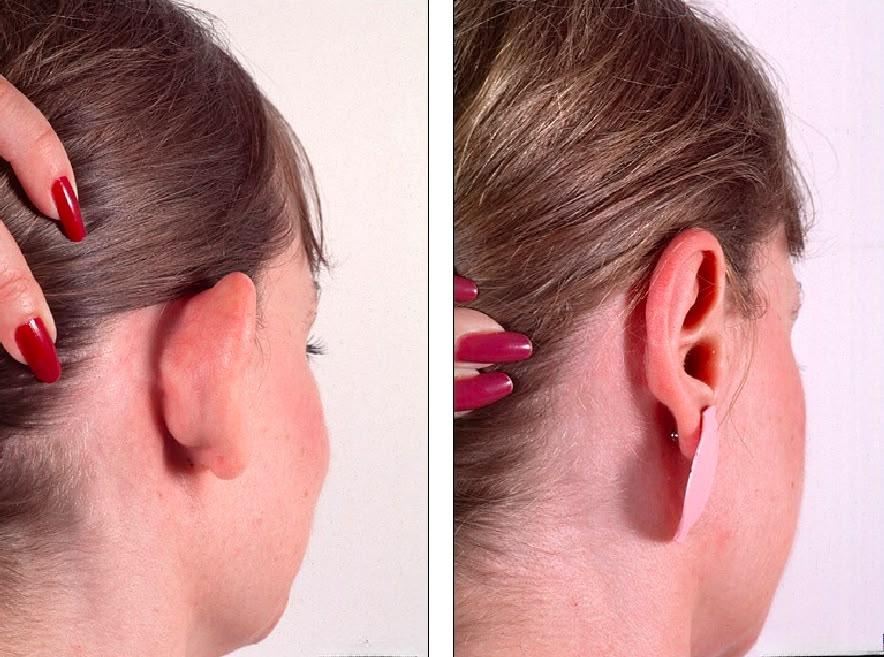
The shape and definition of the ears are influenced by cartilage structure, natural folds, and their position alongside the head. Some individuals have ears that appear uneven, lack prominent natural curves, or extend outward more than they would prefer. These features are generally harmless, but they may lead people to consider cosmetic improvement. Otoplasty is a surgical procedure that can address selected concerns involving ear shape and positioning. Those researching ear reshaping surgery in Islamabad can explore the treatment process, possible benefits, and important considerations before making a decision.
Why Does Ear Definition Matter?
The external ears have several natural curves that contribute to their appearance. These include the outer rim, inner folds, and central cartilage area.
When these features are less defined or develop differently, the ears may appear flatter, more prominent, or uneven. The degree of variation differs from person to person and is often influenced by genetics.
Although ear shape is usually a cosmetic matter, some people prefer to improve their ear contours to achieve an appearance that feels more balanced with their other facial features.
What Can Cosmetic Ear Surgery Address?
Cosmetic ear surgery, commonly known as otoplasty, can modify the shape and position of the external ears.
Depending on the patient's anatomy, treatment may address:
-
Ears that project excessively outward
-
Underdeveloped folds in the upper ear
-
Differences in the contour of the two ears
-
Selected cartilage irregularities
-
Certain structural changes following an injury
The procedure is not suitable for every ear concern. A surgeon must assess the underlying structure before recommending treatment.
How Does the Surgeon Improve Ear Definition?
The surgical method depends on the specific correction required. In many cases, an incision is made behind the ear to reach the cartilage.
Internal sutures may be used to create or strengthen natural folds. If the cartilage structure requires further adjustment, the surgeon may reshape selected areas to improve the overall contour.
For prominent ears, the procedure may also involve changing the angle between the ear and the head.
The objective is to create a natural-looking result while maintaining suitable ear proportions.
Who May Be Suitable for Otoplasty?
Adults who want to improve the appearance of their ears may consider otoplasty after a medical assessment. Children may also be candidates once their ears have developed sufficiently.
A suitable candidate generally has good overall health, understands the potential risks, and has realistic expectations. The surgeon will also consider skin condition, cartilage structure, medical history, and previous ear procedures.
Patients should feel comfortable discussing their reasons for treatment and asking questions before deciding to proceed.
What Happens During the Consultation?
A consultation helps establish the most appropriate treatment plan. The surgeon examines the ears from different angles and evaluates their shape, position, and symmetry.
Patients can explain which features concern them and what changes they hope to achieve. The surgeon then discusses whether otoplasty can address those concerns.
The consultation should also cover anesthesia, incision placement, recovery requirements, potential complications, and treatment costs. This information helps patients make an informed decision.
Understanding the Operation
Otoplasty is performed using an anesthesia method selected according to the patient's age, health, and surgical requirements.
The surgeon generally makes an incision behind the ear to access the cartilage. The cartilage is then adjusted using suitable techniques, such as internal sutures or reshaping.
After the planned changes are completed, the incision is closed and a protective dressing may be applied.
The length and complexity of surgery vary according to the amount of correction needed.
Recovery and Aftercare
Temporary swelling, bruising, and tenderness may occur after surgery. Patients should follow their surgeon's instructions for wound care, medication, and dressing changes.
A supportive headband may be recommended to protect the ears during the early healing period. Sleeping in a position that places pressure on the ears should be avoided.
Strenuous exercise and activities that could cause injury should be postponed until the surgeon gives approval. Follow-up visits are important for monitoring recovery.
Risks and Long-Term Considerations
Otoplasty has potential risks, including infection, bleeding, scarring, changes in sensation, asymmetry, and cartilage irregularities. Some individuals may require additional surgery if the result does not meet their expectations or complications occur.
The final appearance depends on natural anatomy, surgical technique, and individual healing. No procedure can guarantee perfect symmetry or identical results for every patient.
Patients should discuss the expected benefits and limitations with their surgeon before treatment.
Discover Ear Correction Options at Enfield Royal Clinic
Choosing a clinic for cosmetic ear surgery involves reviewing the surgeon's qualifications, experience, facility standards, and postoperative care arrangements. Patients should receive clear information about the procedure and understand all relevant risks before proceeding.
Individuals interested in learning more about otoplasty can explore consultation options at Enfield Royal Clinic. A personalized assessment can help determine whether cosmetic ear surgery is appropriate and explain the available approach according to individual needs and expectations.

 English
 Arabic
 French
 Spanish
 Portuguese
 Deutsch
 Turkish
 Dutch
 Russian
 Romaian
 Portuguese (Brazil)
 Greek