


Best Slow Motion Video Cameras for Capturing Every Detail
Slow motion video turns ordinary moments into something worth studying. A water droplet breaking on a leaf, a skateboarder landing a trick, a motorcycle chain spinning at speed, or a pet shaking off after a bath—all of these become far more interesting when played back at a fraction of real time. But not every camera handles slow motion well. Resolution drops, lighting becomes critical, and stabilization matters more than ever. This guide explains what makes the best slow motion video cameras stand out, how to compare them, and what to look for before you buy.
Why Slow Motion Changes the Way You See
A slow motion video camera does more than create dramatic footage. It reveals details the human eye cannot process in real time. Athletes use slow motion to analyze technique. Engineers use it to inspect mechanical motion. Content creators use it to add production value. Even casual users find that slow motion makes everyday moments feel cinematic.
The key is understanding that slow motion is not simply a camera setting. It is a combination of frame rate, shutter speed, lighting, resolution, and stabilization. A camera that records high frame rates but produces noisy or shaky footage will disappoint. A well-designed slow motion video camera balances these factors so you get usable clips without extensive editing.
The Core Feature: Frame Rate
Frame rate is the foundation of slow motion. Standard video records at 24, 30, or 60 frames per second. Slow motion typically starts at 120fps and can go much higher. The more frames recorded per second, the more you can slow the footage down while keeping it smooth.
When comparing cameras, look at the frame rate available at each resolution. Many cameras advertise 240fps but only at a reduced resolution. A camera that records 120fps at 1080p is often more useful than one that records 240fps at 720p, depending on your needs. For social media, 120fps at 1080p is usually enough. For detailed sports analysis, higher frame rates at higher resolution are better.
Resolution and Detail Retention
Slow motion footage is often cropped or scaled during editing, so starting with higher resolution gives you more flexibility. A slow motion video camera that records 4K at 60fps or 1080p at 240fps offers a good balance. However, high resolution at high frame rates demands fast storage and strong processing power.
Check how the camera handles resolution drops in slow motion modes. Some cameras crop the sensor, which narrows the field of view. Others bin pixels, which can reduce detail. Reviews and sample footage are the best way to judge real-world performance.
Lighting and Shutter Speed
Slow motion requires a lot of light. High frame rates mean each frame is exposed for a very short time, so the camera needs either bright conditions or a wide aperture and high ISO. In low light, slow motion footage can become grainy or underexposed.
Look for cameras with good low-light performance and manual exposure controls. The ability to set shutter speed is valuable because it lets you control motion blur. A common rule is to set shutter speed at double the frame rate, but in bright sunlight you may need neutral density filters to avoid overexposure.
Stabilization Matters More in Slow Motion
Shaky footage is unpleasant at normal speed and almost unwatchable in slow motion. Electronic image stabilization helps, but it can crop the frame and may not work at very high frame rates. Mechanical stabilization, such as gimbals or in-body stabilization, is often more effective.
For action sports and handheld shooting, a slow motion video camera with strong stabilization is essential. Check whether stabilization works in the slow motion modes you plan to use. Some cameras disable stabilization at high frame rates, which is an important limitation to know before buying.
Lens, Sensor, and Field of View
A fast lens with a wide aperture helps in low light and creates shallow depth of field, which can make slow motion footage look more professional. Sensor size also matters: larger sensors generally perform better in low light and offer more control over depth of field.
Field of view is a trade-off. Wide-angle lenses capture more action but can distort edges. Telephoto lenses isolate details but require more careful framing. For action cameras, a wide field of view is common, while dedicated slow motion cameras often use interchangeable lenses for flexibility.
Storage, Battery, and Heat
High frame rates generate large files quickly. A slow motion video camera needs fast, high-capacity storage. Use high-endurance memory cards and consider recording in shorter bursts to manage file size. Battery life also suffers at high frame rates, so carry spare batteries or a power bank.
Heat is another consideration. Continuous high-speed recording can cause cameras to overheat, especially compact action cameras. Look for reviews that mention thermal performance and recording limits.
Types of Slow Motion Video Cameras
Action cameras are compact, rugged, and often offer high frame rates. They are ideal for sports, travel, and mounting on helmets or handlebars. Their small sensors can struggle in low light, but stabilization and waterproofing are often excellent.
Smartphones can record impressive slow motion, especially flagship models. They are convenient and easy to share from, but frame rate and resolution options vary widely, and lens quality is limited compared with dedicated cameras.
Mirrorless and DSLR cameras offer the best image quality and lens flexibility. They are larger and more expensive, but for professional work they provide superior control over exposure and depth of field.
Dedicated high-speed cameras are specialized tools for scientific and industrial use. They are expensive and not practical for most consumers, but they offer extreme frame rates.
Price Ranges and Value
Budget slow motion video cameras can be surprisingly capable, especially action cameras that record 120fps at 1080p. Mid-range models add better stabilization, improved low-light performance, and higher frame rates at higher resolutions. Professional mirrorless cameras and dedicated high-speed systems cost significantly more.
When comparing prices, factor in accessories: memory cards, spare batteries, mounts, filters, and lighting. A cheaper camera that requires expensive accessories may not be the better value. Reviews that include real footage are the best guide to whether a camera’s slow motion modes are genuinely usable.
Tips for Shooting Better Slow Motion
Shoot in bright light whenever possible. Use a fast shutter speed to reduce motion blur. Stabilize the camera with a tripod, gimbal, or solid mount. Frame your subject with extra room, since slow motion clips are often cropped. Record short bursts rather than long takes to manage storage and heat. Finally, experiment with playback speed—sometimes 50% speed is more effective than extreme slow motion.
Final Recommendation: SJCAM C400 Action Camera
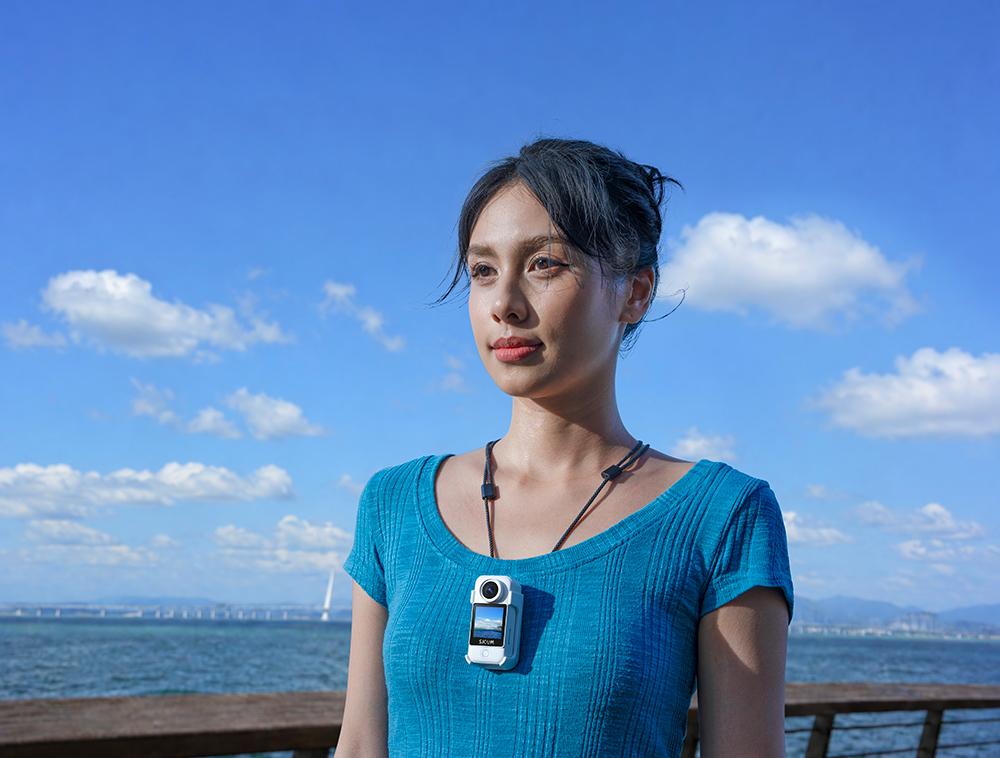
If you want a compact, versatile slow motion video camera for action, travel, and everyday detail, consider the SJCAM C400 action camera. It is designed for riders, athletes, and creators who need portable recording with high-frame-rate options for slow motion playback. Pair it with a fast memory card, a stable mount, and good lighting to get the most from its slow motion modes. Whether you are capturing a motorcycle ride, a sports moment, or a curious detail up close, the SJCAM C400 offers a practical way to bring slow motion into your footage. For users who want an accessible action camera that can record detailed slow motion clips without a complicated setup, the SJCAM C400 is a strong choice.

 English
 Arabic
 French
 Spanish
 Portuguese
 Deutsch
 Turkish
 Dutch
 Italiano
 Russian
 Portuguese (Brazil)
 Greek