


Can You Have Several Moles Removed During One Appointment?
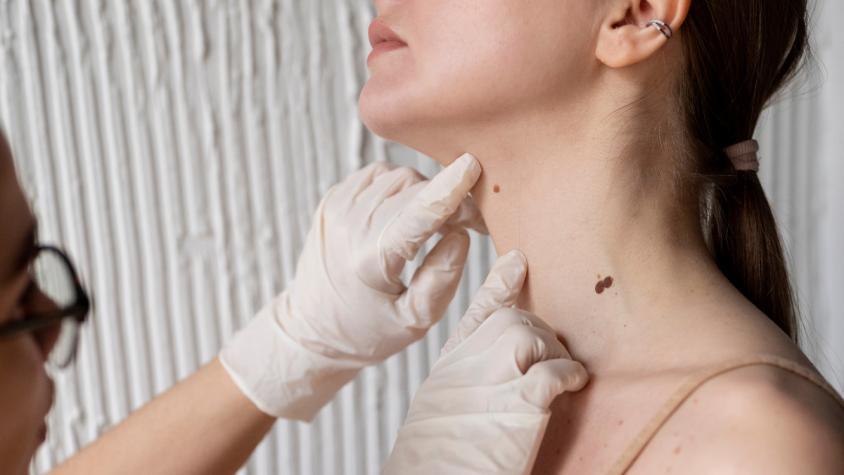
Having several unwanted moles can make you wonder whether each one needs a separate procedure or whether they can all be removed during the same visit. This is particularly relevant when moles appear on different parts of the face, neck, or body and you want to minimise repeated appointments. When considering Mole Removal in Islamabad, the good news is that multiple moles can often be removed during one appointment, provided each lesion is suitable for treatment.
However, the decision depends on more than the number of moles. Their size, depth, location, medical characteristics, and the removal techniques required all influence whether treating them together is appropriate. The priority should be safe removal and accurate diagnosis rather than completing every procedure in a single session.
Is It Possible to Remove Multiple Moles in One Session?
Yes. A dermatologist or suitably qualified surgeon can often remove several moles during one appointment. This is particularly practical when the lesions are small, have been assessed as benign, and require straightforward procedures.
For example, someone with a few raised moles on the neck and upper body may be suitable for multiple removals under local anaesthesia. Each area can be cleaned, numbed, treated, and dressed during the same visit.
However, there is no fixed number of moles that every patient can have removed safely at once. A practitioner must consider the total procedure time, the amount of local anaesthetic required, wound locations, and the patient's medical history.
Having several moles removed together is often possible, but individual suitability matters more than the number of lesions.
What Determines How Many Moles Can Be Removed Together?
The number of moles suitable for removal during one session varies from person to person. A few small superficial lesions may require relatively simple procedures, while larger or deeper moles can involve more extensive surgical work.
Several factors influence the treatment plan:
-
Size and depth: Larger or deeper moles may require more time, tissue removal, and wound closure.
-
Location: Moles near the eyes, lips, nose, or other delicate areas may require specialised planning.
-
Removal technique: Shave removal and surgical excision involve different levels of tissue removal and wound care.
-
Medical history: Bleeding disorders, certain health conditions, and medicines that affect blood clotting may influence the procedure.
-
Number of treatment sites: Several wounds across different body areas can increase the aftercare requirements.
-
Diagnostic concerns: Suspicious lesions may need to be prioritised for biopsy or complete surgical removal.
The practitioner assesses these factors together before deciding whether all the requested moles can be treated safely in one visit.
Why Should Every Mole Be Examined Separately?
One important consideration is that multiple moles on the same person may not have identical characteristics. Some may be ordinary benign moles, while others could be atypical lesions that require further investigation.
A dermatologist should examine each mole rather than assuming that all visible spots are harmless. Dermoscopy may be used to identify unusual pigment patterns, irregular structures, or other features that deserve attention.
If a mole has changed in size, shape, or colour, or repeatedly bleeds or develops crusting, it may require a diagnostic biopsy. The practitioner should not automatically include such a lesion in a routine cosmetic removal session without considering its medical significance.
Each mole needs its own assessment because one person's skin can contain several different types of lesions.
Can Suspicious Moles Be Removed Alongside Harmless Ones?
Sometimes, yes, but the treatment plan must prioritise diagnosis and medical requirements. If one mole looks suspicious while several others appear harmless, the dermatologist may recommend a diagnostic procedure for the concerning lesion and discuss cosmetic removal of the remaining moles.
Depending on the clinical findings, multiple biopsies or excisions may be performed during the same appointment. However, larger lesions, complicated locations, or procedures requiring reconstruction may need separate planning.
When tissue is removed for examination, each specimen should be appropriately labelled and documented so that the pathology laboratory can identify which lesion belongs to which sample.
If melanoma is suspected, the appropriate diagnostic approach must not be compromised simply to complete several cosmetic procedures together.
A suspicious mole should receive the necessary medical attention even if that means changing the original treatment schedule.
Which Removal Techniques Can Be Combined During One Appointment?
The available options depend on the type of mole and whether laboratory examination is necessary. A practitioner may use different techniques for different lesions during the same visit.
Shave Removal: Selected raised, confidently diagnosed benign moles may be removed using a surgical blade. The resulting wound is generally superficial, although pigmentation changes or a shallow depression can remain.
Surgical Excision: A deeper or suspicious mole may need complete surgical removal. The wound is usually closed with stitches, and the tissue can be sent for histopathological examination.
Punch Excision: A circular instrument removes a small section of skin containing the lesion. Depending on the size and location, stitches may be required.
These methods are not interchangeable. For example, a suspicious pigmented mole should not be destroyed with a laser simply because a laser procedure appears more convenient.
The technique for each mole should be selected according to its diagnosis, depth, and location rather than using one removal method for every lesion.
What Happens During a Multiple Mole Removal Appointment?
The appointment generally begins with a review of the previously assessed moles and confirmation of the treatment plan. The practitioner checks the relevant areas, discusses the procedures, and obtains informed consent.
The skin is cleaned, and local anaesthetic is administered around each treatment site as required. Once the areas are numb, the practitioner performs the selected removal procedures and controls any bleeding.
Each wound is then dressed appropriately. If stitches are needed, the practitioner explains how to care for them and whether a follow-up appointment is required for their removal.
The time required depends on the number of lesions and the complexity of the procedures. Patients should confirm whether consultation and treatment can take place during the same visit, as some clinics arrange separate assessment appointments before scheduling removal.
A single appointment can involve several procedures, but adequate preparation and documentation remain essential.
Does Removing Multiple Moles Increase Recovery Time?
Having several moles removed together does not necessarily make each individual wound heal more slowly. However, it can make the overall recovery period less convenient because you have multiple treatment areas to care for.
For example, someone with removals on the neck, back, and arms may need to manage different dressings and avoid activities that put pressure on particular wounds.
Swelling, mild tenderness, redness, and minor bruising may occur depending on the procedure. Surgical excisions with stitches also require attention to wound tension and follow-up instructions.
Patients should avoid picking at healing areas, follow cleaning and dressing instructions, and postpone strenuous activities when advised. Any increasing pain, spreading redness, pus, fever, or persistent bleeding should be reported to the medical team.
Planning aftercare becomes particularly important when several wounds are healing at the same time.
Should You Remove All Your Moles Just Because You Have Many?
Not necessarily. Most ordinary moles do not require removal and can remain untreated if they are medically harmless and do not cause discomfort.
Removing every mole simply for prevention is not generally recommended. It can create unnecessary scars and does not eliminate the possibility of developing melanoma elsewhere on the skin.
People with numerous or atypical moles may benefit more from regular dermatological examinations and appropriate skin monitoring. Digital photographs and dermoscopy can sometimes help track changes over time.
If particular moles repeatedly catch on clothing, become irritated, or cause cosmetic concerns, their removal can be discussed individually.
The goal is to identify which moles genuinely need attention rather than removing as many as possible in one appointment.
What Should You Discuss Before Booking Multiple Mole Removal?
Before treatment, tell the practitioner about your previous procedures, allergies, medical conditions, and all medicines you take, particularly blood-thinning medication. Do not stop prescribed medicines without advice from the prescribing doctor.
Ask whether every mole will be examined, which removal methods are proposed, whether pathology testing is necessary, and how many wounds may require stitches. You should also clarify the expected recovery, aftercare requirements, and total treatment cost.
When researching Mole Removal in Islamabad, look for a clinic that provides an individual assessment and explains why treating several lesions together is appropriate.
A clear treatment plan helps you understand what will happen during the appointment and what recovery will involve.
Final Thoughts
Several moles can often be removed during one appointment, particularly when they are small, benign, and suitable for straightforward procedures. However, the number, depth, location, medical characteristics, and required removal techniques determine whether combining treatments is appropriate. Each lesion should be assessed separately, and suspicious moles must receive proper diagnostic attention before cosmetic removal is considered.
For patients considering Mole Removal in Islamabad, Dynamic Aesthetic Clinic offers personalised consultations focused on individual skin concerns, patient safety, and appropriate treatment planning. Its experienced medical team, board-certified surgeons, and advanced techniques help patients explore suitable removal options and understand whether multiple procedures can be performed during the same appointment.

 English
 Arabic
 Spanish
 Portuguese
 Deutsch
 Turkish
 Dutch
 Italiano
 Russian
 Romaian
 Portuguese (Brazil)
 Greek