


Rhinoplasty Healing Stages: From Early Recovery to Final Results
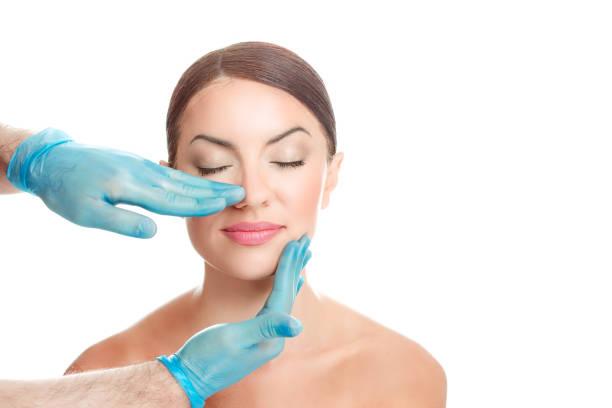
Rhinoplasty is a surgical procedure that reshapes the nose to address selected structural, functional, or appearance-related concerns. Rhinoplasty in Riyadh Recovery happens gradually, and the nose goes through several healing stages before the final result can be properly assessed. Understanding this process helps patients prepare for temporary changes and develop realistic expectations.
Rhinoplasty in Riyadh involves an individualized surgical plan, and the healing experience varies according to the technique used, the extent of surgery, and personal recovery factors. Patients researching rhinoplasty in saudi arabia should understand that swelling, bruising, nasal congestion, and gradual changes in definition can be part of the recovery process.
Understanding the Rhinoplasty Healing Timeline
Rhinoplasty recovery does not happen overnight. Different tissues heal at different rates, so the nose may continue changing even after the initial recovery period.
The First Few Days After Surgery
The early recovery stage usually involves swelling, bruising around the nose or eyes, tenderness, and a feeling of nasal congestion. A splint or dressing may be used to support and protect the nose, depending on the surgical approach.
Patients should follow their surgeon's instructions carefully and avoid touching, pressing, or disturbing the healing area. Any unexpected or worsening symptoms should be reported to the medical team.
The First Week of Recovery
During the first week, bruising and noticeable swelling may begin to improve. A follow-up appointment may be arranged to assess healing and remove or adjust external support when appropriate.
The nose may still look swollen, and breathing can feel different during this stage. Patients should not judge the final appearance based on early photographs or temporary changes.
Rhinoplasty Recovery During the Following Weeks
As the initial healing progresses, swelling gradually reduces and the nose begins to reveal more of its developing shape.
Weeks Two to Four
Many patients notice that visible bruising has substantially improved during this period. However, some swelling, tenderness, and nasal sensitivity may remain.
The nose may appear uneven or less defined at times because swelling does not always settle uniformly. Activity restrictions should be followed according to the surgeon's guidance rather than assuming normal appearance means complete healing.
One to Three Months
During this stage, the overall nasal contour may become easier to recognize as swelling continues to decrease. The bridge and surrounding areas may appear more refined, although the nasal tip can remain swollen.
Patients should continue attending recommended follow-up appointments. Healing is individual, and the amount of visible change depends on the procedure and the body's response.
Long-Term Healing and Final Rhinoplasty Results
The later stages involve slower tissue changes. Even when the nose looks substantially improved, deeper tissues may still be settling.
Three to Six Months
Swelling generally continues to decrease, allowing more details of the nasal shape to become visible. Some areas may remain firm or sensitive while healing progresses.
The surgeon can evaluate the developing result during follow-up visits and explain whether the recovery is progressing as expected.
Six Months to One Year or Longer
For many patients, the nose becomes more refined over several months, but subtle changes can continue for a year or longer. The nasal tip may take additional time to settle, particularly after more extensive surgery or revision procedures.
The final timeline varies. Patients should rely on their surgeon's assessment rather than comparing their recovery with someone else's experience.
Factors That Can Influence Healing
Rhinoplasty in Riyadh requires careful consideration of individual recovery factors because no two patients experience precisely the same healing process.
Surgical Technique and Extent of Surgery
The approach used and the amount of structural work performed can influence swelling and recovery. Primary rhinoplasty and revision rhinoplasty may also involve different healing considerations.
Individual Healing Response
Age, general health, tissue characteristics, and personal healing patterns can affect recovery. Following medical instructions and attending scheduled appointments support appropriate monitoring.
Aftercare and Activity Restrictions
Patients should follow guidance about rest, activity, nasal protection, and medication. Avoiding pressure or accidental injury to the nose is important while tissues are healing. Specific instructions should come from the treating surgeon.
Signs That Require Medical Attention
Some swelling and discomfort may be expected, but not every symptom should be considered a normal part of recovery. Increasing pain, fever, spreading redness, unusual discharge, or persistent bleeding should be discussed promptly with the medical team. Difficulty breathing or chest pain requires emergency medical care.
Patients should also contact their surgeon if they notice sudden changes or have concerns about their recovery. Early professional assessment can help identify complications and determine appropriate care.
Conclusion
Rhinoplasty healing progresses through several stages, from early swelling and bruising to gradual refinement of the nasal shape. While many patients notice substantial changes during the first few months, final results can take a year or longer to assess. Understanding the timeline, following professional guidance, and maintaining realistic expectations can make the recovery process easier to navigate.
For those seeking expert guidance and customized aesthetic care, you can book an appointment consultation at the 'Enfield Royal Riyadh.
Frequently Asked Questions
How long does rhinoplasty swelling last?
Most swelling improves gradually, but subtle swelling may remain for a year or longer, depending on the procedure.
When can I see my rhinoplasty results?
Early changes appear within weeks, while the final nasal shape may take a year or longer to assess.
Is bruising normal after rhinoplasty?
Bruising around the nose or eyes can occur initially and usually improves during the early recovery period.
Does the nasal tip take longer to heal?
Yes. The nasal tip may retain swelling longer than other areas, especially after more extensive surgery.
What symptoms should I report after rhinoplasty?
Report worsening pain, fever, spreading redness, unusual discharge, or persistent bleeding to your medical team promptly.

 Arabic
 French
 Spanish
 Portuguese
 Deutsch
 Turkish
 Dutch
 Italiano
 Russian
 Romaian
 Portuguese (Brazil)
 Greek