


How to Sell Your Car in Sydney Without the Stress
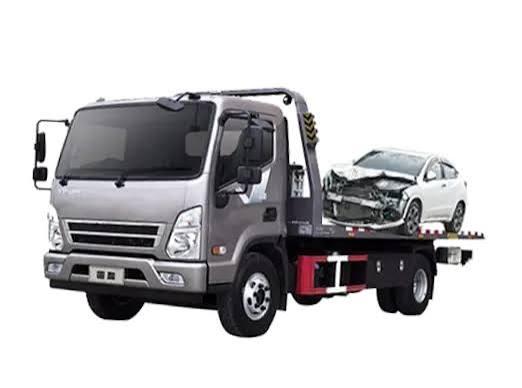
Selling an old car can take more time than expected. You might have a vehicle sitting in your driveway that no longer starts, a damaged car that is too costly to repair, or an older model that you simply do not need anymore. Finding a suitable buyer can be difficult, especially when private buyers expect roadworthy vehicles and want to arrange inspections before making an offer. This is why many Sydney car owners look for services that buy vehicles in different conditions.
If you are planning to sell your vehicle, it helps to understand how the process works and what information you should prepare. You can also explore your selling options at https://cashforcarsnsw.com.au/
Why Do People Sell Their Cars for Cash in Sydney?
There are many reasons why vehicle owners decide to sell their Cash for Cars Sydney. Some people want to replace an older vehicle with a newer model, while others need to clear space at home. In some cases, repairing a damaged vehicle may cost more than the car is worth.
Here are some common reasons people choose to sell their vehicles.
1. The Car No Longer Starts
A vehicle that refuses to start can become difficult to sell through private advertising. The problem could be related to the battery, starter motor, alternator or engine.
Some mechanical problems are minor, while others may require expensive repairs. When repair costs are too high, selling the vehicle in its current condition may be a sensible option.
2. Expensive Repair Bills
Older vehicles often develop mechanical problems over time. Engine trouble, transmission faults and electrical issues can lead to large repair bills.
Before spending money on repairs, consider the vehicle's current market condition. Compare the likely repair costs with its estimated selling price to decide whether fixing it is worthwhile.
3. Accident-Damaged Vehicles
Accidents can leave vehicles with damaged panels, broken lights, bent frames or mechanical faults. Even when a car can still be driven, the damage may affect its resale price.
Finding a private buyer for an accident-damaged vehicle can take time. Some buyers may also request repair records or additional inspections before making a decision.
4. Unwanted Second Vehicles
Some households own more than one vehicle but rarely use all of them. An unused car still takes up parking space and may require registration, insurance and regular maintenance.
Selling a vehicle that you no longer need can help reduce these ongoing expenses.
What Types of Vehicles Do Car Buyers Purchase?
Car buying services may accept different makes, models and vehicle conditions. However, the types of vehicles accepted can vary between businesses.
Understanding the condition of your vehicle can help you know what information to provide when requesting an offer.
Old and Used Cars
Older vehicles can still have value, even when they have high kilometres on the odometer. Their condition, make, model, age and demand for parts can all affect their estimated worth.
Scrap Cars
Scrap vehicles may have little use as road transport, but they can contain metal and reusable components.
Parts such as wheels, engines, gearboxes and certain electrical components may have value depending on their condition.
Damaged Cars
Vehicles with accident damage, hail damage or mechanical faults may still interest car buyers.
When requesting an offer, explain the damage honestly. Providing clear details helps the buyer assess the vehicle without relying on assumptions.
Unregistered Vehicles
An unregistered vehicle may be difficult to sell privately because it cannot legally be driven on public roads without the required registration.
Some car buying businesses accept unregistered vehicles and arrange collection. Always confirm the collection arrangements before agreeing to sell.
Vans, Utes and Four-Wheel Drives
Car buyers may also purchase commercial vehicles, family vans and four-wheel drives.
Their condition, engine type, kilometres and demand for replacement parts can influence the amount offered.
How We Buy Cars Sydney Services Work
The selling process usually involves a few simple stages. Knowing what happens at each stage can help you prepare your vehicle and avoid confusion.
Step 1: Share Your Vehicle Details
Start by providing information about your car. This normally includes:
-
Vehicle make and model
-
Manufacturing year
-
Approximate kilometres
-
Registration status
-
Overall condition
-
Mechanical or accident damage
Accurate details help the buyer understand what type of vehicle you are selling.
Step 2: Receive an Initial Offer
After reviewing the information, the buyer may provide an estimated offer.
The amount can depend on the vehicle's condition, age, location and current demand for its parts. Remember that an initial estimate may change after a physical inspection if the vehicle differs from the description.
Step 3: Arrange an Inspection
An inspection allows the buyer to check the vehicle's condition.
They may look at the engine, bodywork, tyres, interior, transmission and other important components. The inspection also helps confirm whether the information provided earlier is accurate.
Step 4: Confirm the Sale
If you are happy with the final offer, you can discuss the sale arrangements.
Before accepting, make sure you understand the agreed amount, payment method and collection details.
Step 5: Complete the Paperwork
The final stage involves completing the necessary transfer or disposal requirements.
Make sure you understand your responsibilities as the seller. Remove personal belongings, take your number plates where required and follow the relevant NSW registration procedures.
What Affects the Price of Your Car?
Not every vehicle receives the same offer. Several factors can influence how much a buyer is willing to pay.
Vehicle Make and Model
Some makes and models have stronger demand for used parts. Popular vehicles may attract interest because replacement components are regularly needed.
Age and Kilometres
The age of a car and the distance it has travelled can influence its condition and resale potential.
A newer vehicle with lower kilometres may attract a different offer from an older car with significant wear.
Mechanical Condition
Engine performance, transmission condition, suspension and electrical systems all play a role in assessing a vehicle.
A car with major mechanical faults may receive a lower offer than a similar vehicle that runs properly.
Body and Interior Condition
Scratches, dents, rust, broken panels and damaged interiors can affect the vehicle's condition.
Buyers may also consider whether damaged parts can be reused or recycled.
Demand for Replacement Parts
Some vehicles contain parts that are in greater demand than others. Engines, gearboxes, doors, mirrors and electronic components may contribute to the overall assessment.
Preparing Your Car Before Selling
A little preparation can help prevent delays when selling your vehicle.
Remove Personal Belongings
Check the glovebox, centre console, boot and under the seats. Remove personal documents, sunglasses, tools and other belongings.
Gather Important Documents
Keep any available registration papers, service records and ownership documents ready.
These records can help answer questions about the vehicle and its history.
Make a List of Existing Problems
Write down any known mechanical faults or visible damage. Mentioning these issues early helps the buyer assess the vehicle correctly.
Remove Personal Number Plates
Follow NSW requirements regarding number plates when transferring or cancelling registration. Do not leave this step until after collection.
Cancel or Transfer Relevant Services
Once the sale is complete, contact your insurer and review any ongoing payments connected with the vehicle.
Why Sydney Car Owners Consider Car Removal Services
Selling a vehicle privately is not always suitable for every situation. Advertising, answering enquiries and arranging inspections can take time.
Car removal services offer another option for people who have old, damaged, scrap or unwanted vehicles.
For example, owners of vehicles that cannot be driven may prefer a buyer who can arrange collection rather than requiring them to organise transport.
This can also help people who have limited space at home or need to remove an unused vehicle from a property.
However, it is important to confirm the collection conditions, payment arrangements and any additional charges before accepting an offer.
Choosing a Car Buyer in Sydney
Before deciding who to sell your vehicle to, take time to check the business and its selling process.
Consider these points:
Check the Business Details
Look for clear contact information and details about the types of vehicles the business purchases.
Understand the Offer
Ask whether the quoted amount is an estimate or a confirmed offer. Check whether an inspection could change the final amount.
Ask About Collection
Confirm whether vehicle collection is available at your location. Ask whether towing costs or other charges apply.
Confirm Payment Arrangements
Understand when and how payment will be made. Do not hand over the vehicle until the agreed payment arrangements have been completed.
Review the Required Documents
Make sure you know which documents are needed to complete the sale and follow NSW vehicle transfer requirements.
Common Mistakes to Avoid When Selling a Car
A few simple mistakes can create problems during the selling process. Knowing what to avoid can help you prepare properly.
Hiding Mechanical Problems
Do not hide known faults or accident damage. Incorrect information can lead to disagreements when the vehicle is inspected.
Accepting the First Offer Without Checking
Consider the vehicle's condition and compare available offers where possible. Make sure you understand what each offer includes.
Forgetting Personal Items
Check every storage area before handing over the vehicle. Important documents and personal belongings can easily be left behind.
Ignoring Registration Requirements
Follow the relevant NSW rules for registration cancellation, number plates and vehicle transfer notifications.
Not Confirming Collection Details
Confirm the collection date, location, access requirements and towing arrangements before the scheduled pickup.
Frequently Asked Questions
1. Can I sell a car that does not start?
Yes, some car buying services accept vehicles that do not start. Explain the mechanical problem when requesting an offer and confirm whether collection can be arranged.
2. Do car buyers purchase accident-damaged vehicles?
Some buyers purchase cars with accident damage. The amount offered will depend on the damage, vehicle model and condition of its remaining components.
3. Can I sell an unregistered car in Sydney?
Yes, you can sell an unregistered vehicle, provided the sale and transfer requirements are followed. Arrange suitable transport if the vehicle cannot legally be driven.
4. What information should I provide when selling my car?
Provide the make, model, year, kilometres, registration status and details about its mechanical and physical condition. Clear information helps with the initial assessment.
5. Do I need to clean my car before selling it?
A full detail is generally not necessary when selling a scrap or damaged vehicle. However, removing rubbish and personal belongings is a sensible step.
6. Can I sell an old car with expired registration?
An expired registration does not automatically prevent you from selling a vehicle. However, you should confirm the relevant NSW requirements and arrange transport where necessary.
Conclusion
Selling an old, damaged or unwanted vehicle in Sydney does not have to involve advertising and waiting for private buyers. Car buying services provide another option for people who want to sell vehicles in different conditions.
Before accepting an offer, understand how the vehicle will be assessed, check the payment arrangements and confirm the collection process. Prepare your documents, remove personal belongings and follow the relevant NSW vehicle transfer rules.
Taking these steps can help you make an informed decision and complete the sale with fewer complications.

 English
 Arabic
 French
 Portuguese
 Deutsch
 Turkish
 Dutch
 Italiano
 Russian
 Romaian
 Portuguese (Brazil)
 Greek