


What to Know Before Using Beard Dye at Home
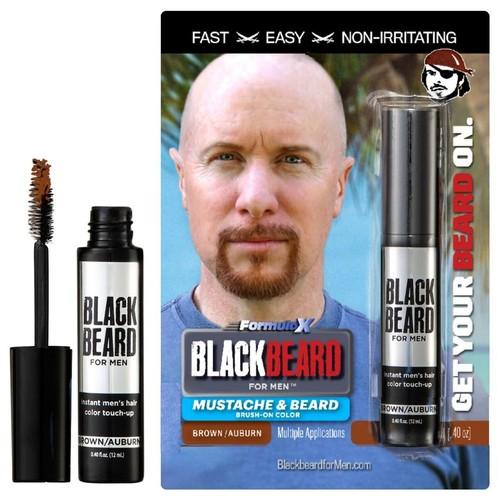
Using beard dye at home can be a simple way to cover grays, even out patchy color, or create a more polished look. But before you open a box and start applying product, it helps to understand how facial hair differs from scalp hair, what ingredients may irritate skin, and how to choose a shade that looks natural. If you are comparing options, even a quick look at a trusted beard dye source can help you understand the range of formulas and what to expect from the process.
The skin on your face is more sensitive than the scalp, and beard hair is often coarser, drier, and more uneven in texture. That means beard dye is not always as straightforward as regular hair color. A little preparation goes a long way toward avoiding a bad color match, skin irritation, or uneven results. Whether this is your first time or you are just looking for a better outcome, knowing the basics can make the process much safer and more predictable.
Key Points
- Beard dye is formulated for facial hair and skin sensitivity. It is usually different from scalp hair dye.
- Patch testing matters. A small test can help reduce the risk of irritation or allergic reaction.
- Choose a natural shade. Going one shade lighter than your beard hair is often safer than picking a very dark color.
- Preparation affects results. Clean, dry facial hair gives more even coverage.
- Timing is important. Leaving dye on too long can make the beard look unnaturally dark.
- Aftercare helps color last. Gentle washing and moisturizing can protect both hair and skin.
Why Beard Dye Is Different From Regular Hair Dye
Beard dye is designed with facial hair and facial skin in mind. The skin on your face is thinner and often more reactive than the skin on your scalp. Because of that, products made specifically for beards are usually gentler and easier to control. Regular hair dye can still work in some cases, but it may be harsher and more likely to cause redness, itching, or dryness.
Facial hair also tends to grow in different directions and can be more resistant to color absorption. Gray beard hairs, in particular, may take dye differently than darker strands. That is why results can look uneven if the product is not applied carefully. Understanding these differences helps set realistic expectations before you begin.
How to Choose the Right Shade
Match the goal, not just the color
When selecting a shade, think about what you want the final look to be. If you want subtle gray coverage, a color close to your natural beard tone is usually best. If your goal is to soften the appearance of grays without making the beard look artificial, choose a shade that is slightly lighter than your natural color. Darker shades can look harsh, especially if your beard is short or uneven.
Many people make the mistake of choosing a very dark brown or black because they want full coverage. In practice, that can create a solid block of color that does not match the natural variation in your beard. A more natural result often comes from blending, not masking every hair with the same tone.
Consider your skin tone
Skin tone matters too. A beard color that is too warm or too cool can stand out in a way that looks unnatural. Neutral brown shades tend to be the safest choice for many people because they blend well with a wide range of complexions. If you are unsure, it is usually better to err on the side of softer color.
Why Patch Testing Should Never Be Skipped
Patch testing is one of the most important steps before using beard dye at home. Even if you have used hair color in the past, facial skin can react differently. A patch test helps you check for irritation, rash, swelling, or itching before applying product to your full beard.
Most patch tests involve applying a small amount of mixed dye to a discreet area of skin, then waiting the recommended amount of time. You should monitor the area for at least 24 to 48 hours, depending on the product instructions. If you notice redness, burning, or discomfort, do not use the dye on your beard.
This step may feel inconvenient, but it can prevent a much bigger problem later. Allergic reactions to dye ingredients can be serious, and facial skin often reacts faster than other parts of the body.
Preparing Your Beard Before Dyeing
Good preparation helps the color go on more evenly and last longer. Start with a clean, dry beard. Wash away oil, dirt, and product buildup, then let the hair dry completely before applying dye. Damp hair can dilute the color and make the result inconsistent.
It also helps to brush or comb your beard first. This makes it easier to apply the dye evenly and prevents clumps from forming. If you have longer facial hair, sectioning it into small parts can improve control and reduce missed spots.
Protect the skin around your beard with a thin layer of petroleum jelly or a similar barrier product if the instructions allow it. This can help reduce staining on the cheeks, neck, and upper lip. Wearing gloves is also important, since beard dye can stain hands quickly.
Application Tips for a More Natural Look
Apply in small amounts
It is better to start with less product and build up if needed. Applying too much dye at once can create dark patches or make the beard look flat. Use a brush, applicator, or gloved fingers depending on the product directions, and work the color through the beard in layers.
Watch the processing time carefully
Leaving dye on longer does not always mean better coverage. In fact, it can make the color appear too strong. Follow the timing on the package closely and check your beard as the process develops. If you want a softer result, rinse sooner rather than later, especially the first time you use a new product.
Blend the edges
The areas where your beard meets your sideburns, cheeks, and neck can reveal whether the dye was applied well. Blending these edges carefully can make the result look more natural. A quick cleanup with a damp cloth before the dye fully sets can also reduce staining outside the beard line.
Common Mistakes to Avoid
- Skipping the patch test. This can lead to avoidable skin reactions.
- Using the wrong product. Scalp dye may be too harsh for facial use.
- Choosing a color that is too dark. This often creates an unnatural appearance.
- Applying to a dirty or oily beard. This can affect absorption and coverage.
- Leaving the dye on too long. Overprocessing can make the beard look painted on.
- Forgetting skin protection. Dye stains can be difficult to remove from the face and hands.
Aftercare Matters Too
Once the dye is rinsed out, be gentle with your beard. Use lukewarm water and a mild cleanser if needed. Harsh scrubbing can remove color faster and may irritate the skin underneath. A light beard conditioner or moisturizer can help reduce dryness, especially if the dye leaves your beard feeling coarse.
Try to avoid frequent washing right after coloring. The first day or two after application can be important for color settling. Also, limit very hot water, which can strip color and dry out facial hair. If you use beard oil, choose a simple formula that supports moisture without overwhelming the dyed hair.
How Long Beard Dye Usually Lasts
Beard dye does not last forever. Fading depends on the formula, how often you wash your face, your skin type, and how much sun exposure your beard gets. Some products last a week or two, while others may hold longer. Gray hairs may show through sooner than darker ones because they can resist color differently.
If you want to maintain a consistent look, plan for touch-ups as needed rather than waiting until the color fades completely. Small, regular applications are often easier to manage than full re-dyeing after the beard has noticeably lightened.
When It May Be Better to Wait or Avoid Dyeing
There are times when it is smart to hold off. If your skin is irritated, broken, sunburned, or inflamed, dyeing can make the problem worse. If you have a history of allergic reactions to hair color, speak with a medical professional before using any dye product on your face.
You should also avoid coloring immediately after shaving, trimming too closely, or using harsh exfoliants. The skin may be more vulnerable, which raises the chance of stinging or redness. A healthy, calm skin barrier gives you the best chance of a comfortable experience.
Conclusion
Using beard dye at home can be a practical way to refresh your appearance, but it works best when you approach it with care. The right shade, proper preparation, a patch test, and careful application all make a noticeable difference in the final result. Taking a few extra minutes to understand the process can help you avoid irritation and achieve a more natural look.
If you keep your expectations realistic and follow the product instructions closely, beard dye can be a straightforward grooming step rather than a frustrating experiment. The goal is not just to cover color changes, but to do it in a way that suits your face, your skin, and your style.
FAQ
Can I use regular hair dye on my beard?
It is not ideal. Beard dye is usually formulated for facial skin, which is more sensitive than the scalp. Regular hair dye may be harsher and more likely to cause irritation.
How do I know if beard dye will irritate my skin?
The best way to check is with a patch test. Apply a small amount of product to a discreet area and wait the recommended time before using it on your beard.
What shade should I choose if I want a natural look?
Choose a shade close to your natural beard color or slightly lighter. Very dark shades can look artificial, especially on shorter beards.
How long should I leave beard dye on?
Follow the instructions on the product package. Leaving it on longer does not always improve results and can make the color appear too strong.
How often should I reapply beard dye?
That depends on the formula and how quickly your beard grows or fades. Many people need touch-ups every one to three weeks, but this varies.
Can beard dye stain my skin?
Yes, it can. Using a barrier cream around the beard line and wiping away excess dye quickly can help reduce staining.
Is beard dye safe for sensitive skin?
It can be, but sensitive skin users should be extra"

 English
 Arabic
 French
 Spanish
 Portuguese
 Deutsch
 Turkish
 Dutch
 Russian
 Romaian
 Portuguese (Brazil)
 Greek