


Preschool Learning Program Registration Leduc: A Guide for Families Preparing for Preschool
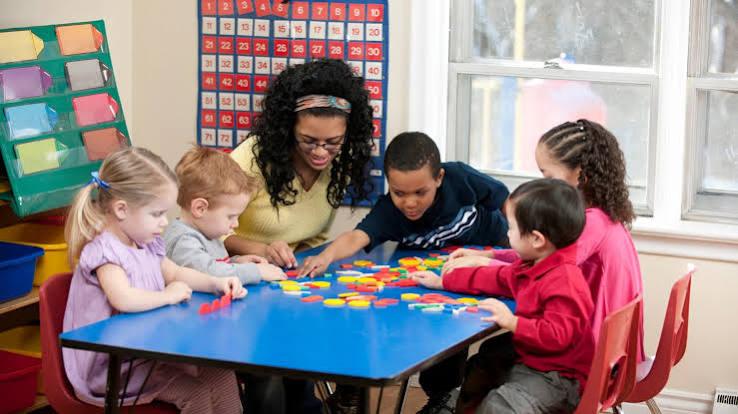
Discover how to choose a preschool learning program in Leduc. Explore registration requirements, early learning activities, school readiness, and practical tips to prepare your child for preschool.
Give Your Child a Positive Start With Preschool Learning
Preschool is an important stage in a child's early education. During these years, children begin exploring new ideas, developing communication skills, interacting with other children, and learning through everyday experiences. A suitable preschool environment can introduce young learners to routines, creative activities, early literacy, and basic problem-solving in an enjoyable way.
For parents in Leduc, choosing a preschool program involves understanding the available options and finding an environment that matches their child's developmental needs. Families should consider the learning approach, educator experience, classroom atmosphere, daily schedule, and registration requirements before making a decision.
Exploring Preschool Learning Program Registration Leduc can help families understand the process of finding and enrolling in an early learning program. Starting the research early gives parents more time to ask questions, visit the centre, review policies, and prepare their child for this new experience.
Why Preschool Education Matters
Preschool provides children with opportunities to learn beyond their familiar home environment. They can participate in group activities, listen to stories, explore creative materials, and practice communicating with educators and classmates.
Early learning experiences can support several areas of development:
-
Language development: Listening to stories, singing songs, and having conversations introduce new words.
-
Social skills: Group activities encourage children to interact, cooperate, and take turns.
-
Emotional development: Children gradually learn to recognize and express their feelings.
-
Cognitive development: Puzzles, sorting games, and matching activities encourage thinking.
-
Physical development: Movement and creative activities support coordination and motor skills.
-
Independence: Everyday classroom routines encourage children to practice simple tasks.
Every child develops differently, so preschool should provide opportunities to learn at an appropriate pace. The goal is to create a supportive environment where children feel comfortable exploring and participating.
Understand Your Child's Preschool Readiness
Parents sometimes wonder whether their child is ready to begin preschool. Readiness does not mean that a child must already know letters, numbers, or how to complete every task independently.
Children develop at different speeds, and their readiness can involve several everyday skills. These may include showing curiosity, responding to simple instructions, expressing basic needs, participating in activities, and gradually becoming comfortable around other children.
Before choosing a program, consider your child's interests and personality. Some children enjoy group activities immediately, while others need time to adjust to new surroundings.
It is also helpful to discuss your child's current development with the preschool provider. Ask how the program welcomes new learners and whether educators offer support during the adjustment period.
Explore Different Preschool Learning Approaches
Not every preschool follows the same teaching approach. Some programs place greater emphasis on structured activities, while others focus on learning through play, exploration, and practical experiences.
Parents should understand how activities are organized throughout the day. A balanced early learning environment may include storytelling, creative play, music, movement, hands-on activities, and opportunities for social interaction.
A play-based approach can help children explore concepts naturally. For example, building with blocks may introduce patterns and spatial awareness. Sorting objects by colour or shape can encourage classification, while picture books can support language development.
Ask the preschool how educators introduce new concepts and encourage participation. Understanding the learning approach can help you decide whether the program matches your family's expectations.
What to Look for in a Preschool Environment
The classroom environment can influence how children feel and participate throughout the day. A welcoming space should encourage curiosity, creativity, and positive interaction.
During a facility visit, parents should observe the classroom arrangement, learning materials, furniture, and activity areas.
Useful features to consider include:
-
Age-appropriate books and learning resources
-
Creative areas for drawing and crafts
-
Building blocks and educational toys
-
Spaces for group activities
-
Areas for quiet reading or individual play
-
Suitable indoor and outdoor activity spaces
-
Organized storage and clean surroundings
Parents should also observe how educators communicate with children. A supportive approach involves patience, encouragement, and respectful interactions.
A preschool should be able to explain how it maintains an environment that is suitable for young learners.
Understand the Preschool Registration Process
Once you have identified a program that interests your family, the next step is to learn about registration.
Enrollment procedures can differ between childcare providers. Some may accept applications online, while others may ask parents to visit the facility, arrange an introductory meeting, or complete registration forms.
Families should contact the preschool directly to confirm its current requirements and availability.
The process may include the following steps:
1. Initial inquiry
Contact the centre to ask about the preschool program, accepted age groups, available spaces, and registration dates.
2. Program information
Request details about the curriculum, daily schedule, learning activities, and educator communication.
3. Facility visit
Arrange a visit to explore the classroom, meet staff, and understand the learning environment.
4. Application submission
Complete the registration form and provide the requested information about your child and family.
5. Policy review
Read the centre's policies, fee structure, attendance requirements, and other important conditions.
6. Enrollment confirmation
Confirm the expected start date and ask whether any additional preparation is required before your child's first day.
Completing these steps early can make the registration experience more organized.
Prepare the Documents and Information Required
Before submitting an application, ask the preschool for a complete list of required documents. Having everything ready can reduce delays during registration.
Depending on the provider's policies, parents may be asked to supply:
-
Child's basic identification information
-
Parent or guardian contact details
-
Emergency contact information
-
Relevant health and allergy information
-
Authorized pickup details
-
Required registration forms
-
Any additional documents requested by the provider
Make sure the information is accurate and up to date. Parents should also ask how personal information is handled and who can access their child's records.
If any requirement is unclear, contact the preschool rather than making assumptions.
Ask About Educator Qualifications and Experience
Educators play an important role in a child's preschool experience. They guide activities, support communication, encourage participation, and help children become familiar with classroom routines.
Parents should ask about educator qualifications, early childhood experience, supervision arrangements, and professional training.
It is also useful to understand how educators respond when children have different learning needs or require additional encouragement.
Consider asking:
-
What qualifications do the educators hold?
-
How are classroom activities planned?
-
How do educators support children who are shy?
-
How are individual learning needs considered?
-
How do teachers communicate with parents?
-
What happens when a child needs additional assistance?
These conversations can provide a clearer picture of the classroom environment and teaching approach.
Understand the Daily Preschool Routine
A predictable routine can help young children become comfortable in a new environment. Knowing what happens throughout the day allows them to gradually understand transitions between activities.
Ask the preschool for a sample daily schedule. It may include arrival, free play, group learning, creative activities, snack time, outdoor play, stories, and quiet activities.
Parents should also discuss how the program handles late arrivals, early pickups, absences, and changes in attendance.
If your child has a particular routine or needs additional support during transitions, share this information with educators before the start date.
Understanding the daily schedule helps families decide whether the program is practical and suitable.
Look for Activities That Support Early Learning
Preschool activities should encourage children to explore different skills while enjoying the learning process.
A balanced program may include several types of activities.
Storytelling and early literacy
Listening to stories introduces children to new vocabulary, characters, sounds, and simple ideas. Picture books can also encourage children to ask questions and express their thoughts.
Numbers and basic concepts
Counting objects, sorting toys, and recognizing patterns can introduce early mathematical thinking through everyday play.
Creative activities
Drawing, painting, crafts, and building projects give children opportunities to experiment with materials and express their creativity.
Music and movement
Songs, rhythm games, and movement activities encourage listening, coordination, and group participation.
Social interaction
Group activities allow children to practice taking turns, sharing resources, and communicating with classmates.
Parents should ask how the preschool balances different activities and whether children have opportunities to explore their own interests.
Safety, Hygiene, and Child Well-Being
Safety should be an important part of every preschool decision. Young children need supervision and an environment designed to support their activities.
During a visit, ask about classroom supervision, emergency procedures, cleaning routines, and outdoor play arrangements.
You should also understand the centre's policies regarding illness, medication, allergies, food, and authorized pickup.
Observe whether the learning materials and play areas appear appropriate for the children's age group. Ask how toys and frequently used surfaces are maintained.
A preschool should be able to explain its procedures clearly and provide parents with access to relevant policies.
Help Your Child Prepare for the First Day
Starting preschool can feel exciting, but it may also bring uncertainty for children who are unfamiliar with group learning environments.
Parents can make the transition easier by discussing preschool positively before the start date. Explain that the child will have opportunities to play, listen to stories, explore activities, and meet other children.
Simple preparation activities at home can also help.
For example:
-
Practice following a simple morning routine.
-
Read picture books together.
-
Encourage independent play for short periods.
-
Practice putting toys away after activities.
-
Talk about meeting teachers and classmates.
-
Let your child become familiar with their backpack and other belongings.
If the centre offers an introductory visit, consider attending with your child. Becoming familiar with the classroom may make the first day less unfamiliar.
Remember that adjustment takes time. Some children settle quickly, while others need additional reassurance.
Consider Location, Schedule, and Fees
Practical arrangements are important when selecting a preschool. Families should consider whether the location is convenient and whether the operating hours match their daily responsibilities.
Think about the distance from home or work and the amount of time needed for drop-off and pickup.
The fee structure should also be clearly understood. Ask what is included in the regular payment and whether there are additional charges for registration, supplies, activities, or other services.
Parents should also ask about payment schedules, absence policies, holidays, and withdrawal procedures.
Comparing these details can help families make a realistic decision that fits their budget and routine.
Questions to Ask Before Registering
Before completing registration, prepare a list of questions so that important details are not overlooked.
Consider asking:
-
What age groups are accepted?
-
Are preschool spaces currently available?
-
What are the registration requirements?
-
What is the daily schedule?
-
Which learning activities are included?
-
What qualifications do educators have?
-
How are parents updated about their child's progress?
-
What safety and hygiene procedures are followed?
-
Are meals or snacks provided?
-
What are the fees and payment conditions?
-
Can families arrange a classroom visit?
Clear answers help parents understand what the program offers and what they should expect after enrollment.
Build a Positive Relationship With Preschool Educators
Preschool is most effective when parents and educators communicate openly. Families understand their child's interests, routines, and personality, while educators observe how the child participates in classroom activities.
Sharing information helps educators understand individual needs and provide appropriate encouragement.
Parents should feel comfortable asking about classroom experiences, new skills, friendships, and any challenges their child may be facing.
Regular communication can also help families continue learning activities at home. For example, if a child enjoys a particular story or activity at preschool, parents can explore similar experiences together.
A positive partnership creates better understanding between home and the learning environment.
Make an Informed Preschool Registration Decision in Leduc
Choosing a preschool is an important step in your child's early learning journey. The right program should provide a welcoming environment, meaningful activities, supportive educators, and routines that suit young children.
Before registering, review the learning approach, classroom environment, safety procedures, operating hours, fees, and enrollment requirements. Visiting the centre and speaking directly with educators can help you understand whether the program is suitable for your family.
Families researching Preschool Learning Program Registration Leduc can begin by contacting the provider, checking registration availability, and arranging a visit.
With thoughtful preparation, parents can approach preschool enrollment with greater confidence. A positive early learning experience can give children opportunities to explore, communicate, build relationships, and develop important skills as they prepare for their next educational steps.

 English
 Arabic
 French
 Spanish
 Portuguese
 Deutsch
 Turkish
 Italiano
 Russian
 Romaian
 Portuguese (Brazil)
 Greek