


Social Media Marketing: How Businesses Can Build Stronger Brands
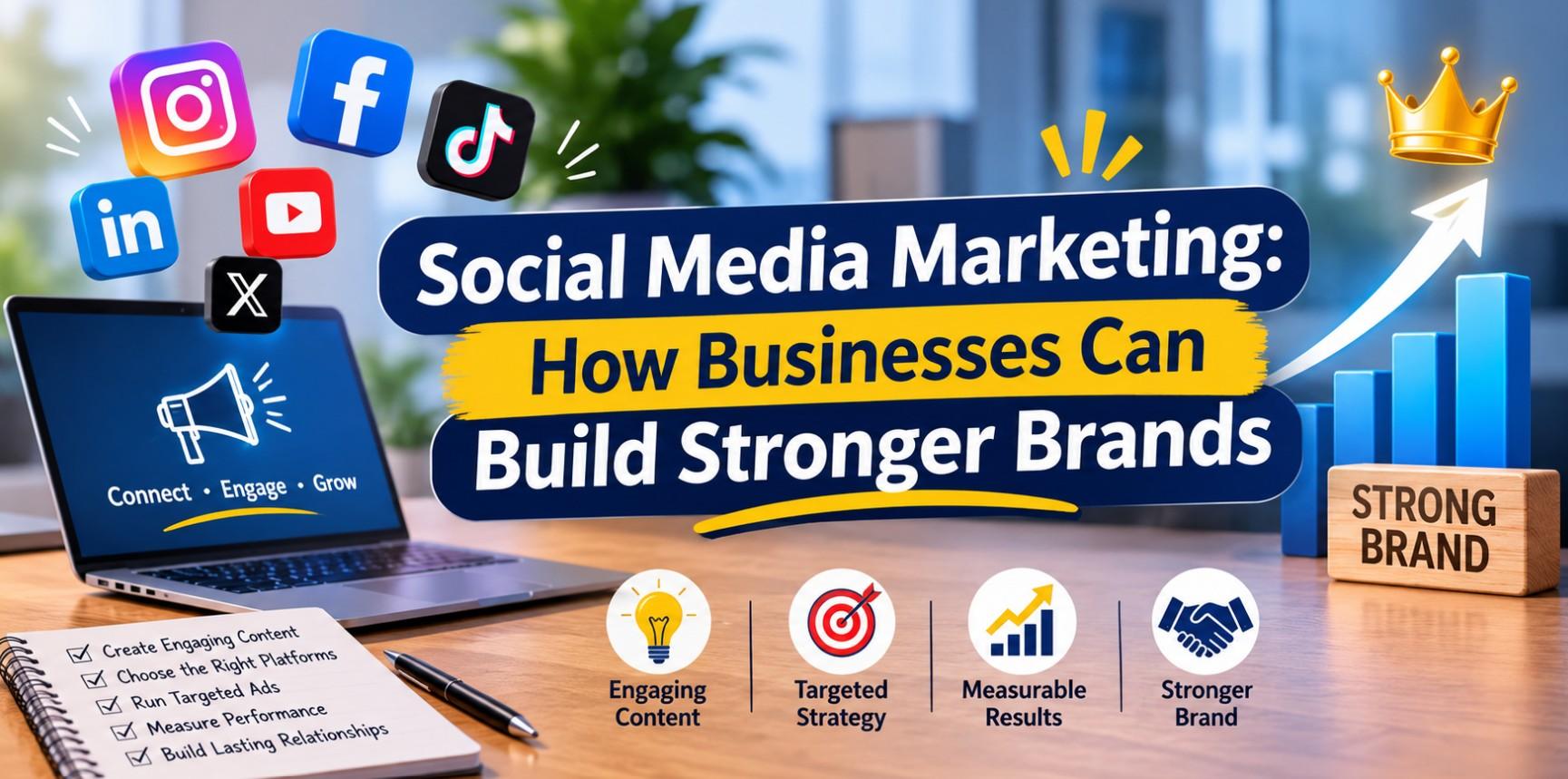
Social media has transformed the way businesses connect with customers, promote products, and build their reputations. What once started as a platform for sharing personal updates has become an essential part of modern business development.
Today, companies of all sizes use social media marketing to reach potential customers, strengthen brand awareness, and generate meaningful sales opportunities. However, simply creating social media accounts and publishing occasional posts is no longer enough.
Successful marketing requires a clear strategy, engaging content, consistent communication, and an understanding of what audiences actually want. Businesses that approach social media with a long term vision are better positioned to build trust and achieve sustainable growth.
Understanding Importance of Social Media Marketing
Social media marketing involves using digital platforms to promote a business, communicate with audiences, and achieve specific marketing objectives. Platforms such as Instagram, Facebook, TikTok, LinkedIn, and YouTube offer different opportunities to connect with people based on their interests, preferences, and online behavior.
One of the biggest advantages of social media marketing is accessibility. Even smaller businesses can reach targeted audiences without requiring the enormous advertising budgets traditionally associated with television or print campaigns.
Beyond visibility, social media provides an opportunity to establish relationships with customers. Responding to comments, answering questions, sharing useful information, and participating in relevant conversations can make a business feel more approachable and trustworthy.
Creating Content That Captures Attention
Content is the foundation of an effective social media strategy. With countless businesses competing for attention, brands need to publish material that gives audiences a reason to stop scrolling.
Different content formats serve different purposes. Short videos can introduce products, demonstrate services, and communicate ideas quickly. Educational posts help audiences understand common problems, while behind the scenes content gives businesses a more personal identity.
Storytelling is particularly valuable because people often connect more strongly with experiences than direct promotional messages. Sharing customer experiences, explaining how a product is created, or highlighting the people behind a business can make content more relatable.
Consistency also matters. Maintaining a realistic publishing schedule helps businesses remain visible and gives audiences more opportunities to interact with their content. However, quality should always take priority over posting simply to maintain activity.
Choosing Right Social Media Platforms
Not every social media platform is suitable for every business. The right choice depends on the target audience, industry, marketing objectives, and type of content a company can produce.
For example, Instagram and TikTok are useful for visually engaging content, short videos, and creator collaborations. LinkedIn is particularly valuable for professional networking, business services, and industry expertise. Facebook can support community engagement, local visibility, and targeted advertising.
Instead of trying to maintain an active presence everywhere, businesses should identify the platforms where their potential customers spend the most time.
Understanding audience demographics and online behavior makes it easier to allocate resources effectively. A focused strategy across two or three relevant platforms can often deliver better results than an inconsistent presence across numerous channels.
Growing Role of Influencer Marketing
Influencer marketing has become an important part of social media campaigns because consumers increasingly value recommendations from relatable personalities and trusted content creators.
Working with influencers allows businesses to introduce their products and services to established communities. Rather than relying entirely on traditional advertisements, companies can use authentic creator content to demonstrate how their offerings fit into everyday life.
However, choosing influencers should involve more than looking at follower counts. Audience relevance, engagement quality, content style, and credibility are equally important considerations.
Micro influencers can also provide valuable opportunities, particularly when they have highly engaged audiences within specific interests or industries.
Successful influencer partnerships should feel natural and align with the creator's usual content. When audiences recognize genuine enthusiasm rather than forced promotion, campaigns have a better opportunity to build credibility and encourage action.
Using Paid Social Media Advertising Strategically
Organic content helps businesses develop relationships over time, while paid social media advertising can accelerate visibility and reach specific customer groups.
Advertising platforms offer targeting options based on interests, demographics, locations, and online behavior. This allows businesses to present relevant messages to people who are more likely to engage with their products or services.
An effective paid campaign starts with a clear objective. A company might want to increase website traffic, generate leads, improve product sales, or introduce a new offering. Creative testing is another important element.
Comparing different visuals, headlines, audience segments, and calls to action helps marketers understand which combinations perform best. Rather than increasing advertising budgets without evaluating performance, businesses should monitor results and gradually invest more in campaigns that demonstrate genuine value.
Measuring Performance and Improving Results
One common mistake businesses make is judging social media success entirely by follower numbers and likes. Although these figures can indicate visibility and engagement, they do not always reflect actual business performance.
More meaningful metrics include engagement rate, reach, website visits, conversion rate, cost per acquisition, and return on advertising spend.
The right measurements depend on campaign objectives. For example, a brand awareness campaign should prioritize reach and visibility, while a sales campaign should focus more heavily on conversions and revenue.
Regular performance reviews help businesses identify successful content, understand audience preferences, and recognize areas that need improvement. Social media marketing should be treated as an ongoing process of testing, learning, and refining strategies rather than a one time promotional activity.
Building a Sustainable Social Media Marketing Strategy
Long term success comes from combining creativity with strategic thinking. Businesses need to understand their audiences, communicate a consistent identity, create valuable content, and remain responsive to changing online behavior.
It is equally important to maintain a recognizable brand voice. Whether a business communicates through educational videos, entertaining posts, or professional updates, its messaging should remain consistent across platforms.
Most importantly, businesses should focus on building genuine relationships instead of chasing temporary popularity. An engaged audience that trusts a brand is far more valuable than a large following with little interest in its offerings.
Frequently Asked Questions
1. Why is social media marketing important for businesses?
Social media marketing helps businesses increase brand awareness, connect with potential customers, promote products, and build lasting relationships. It also provides opportunities to generate leads and improve sales through targeted campaigns.
2. How often should a business post on social media?
Posting frequency depends on the platform, audience, and available resources. Maintaining a consistent schedule with valuable content is generally more effective than publishing numerous low quality posts.
3. Is paid social media advertising better than organic marketing?
Both approaches serve different purposes. Organic marketing builds trust, community, and long term engagement, while paid advertising helps businesses reach targeted audiences more quickly. Combining both can create a balanced strategy.
4. How can businesses measure social media marketing success?
Businesses can evaluate performance through engagement rates, reach, website traffic, leads, conversions, customer acquisition costs, and advertising returns. The most useful metrics depend on the goals of each campaign.
Final Thoughts
Social media marketing continues to create valuable opportunities for businesses willing to understand their audiences and adapt to changing digital trends. Success does not come from posting more frequently or collecting followers without purpose. It comes from delivering meaningful content, building authentic connections, using advertising strategically, and consistently evaluating performance.
Businesses that combine creative communication with measurable marketing objectives can turn social media into a powerful channel for stronger brand recognition, customer relationships, and sustainable growth.

 English
 Arabic
 French
 Spanish
 Deutsch
 Turkish
 Dutch
 Italiano
 Russian
 Romaian
 Portuguese (Brazil)
 Greek