


Why Discuss Wholesale Orders With cookware-supplier?
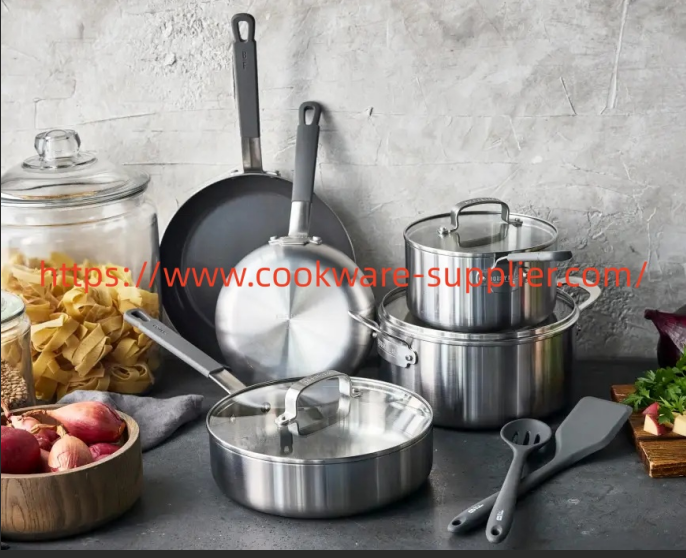
Iron Pots And Pans are an important product category for cookware retailers, distributors, importers, and kitchenware brands. However, choosing suitable products involves more than comparing prices or browsing product photographs. Buyers should examine material specifications, manufacturing processes, surface treatments, product dimensions, and intended applications. Understanding these details helps purchasing teams communicate their requirements clearly while selecting product configurations that match their target markets.
Review Material Specifications
Material selection is an important starting point when evaluating cookware. Different materials have different physical properties, production requirements, and maintenance considerations. Buyers should request detailed specifications rather than relying on general product descriptions.
For example, cast metal and carbon steel are used in different cookware designs. Their weight, structure, and surface characteristics can vary according to material composition and manufacturing methods.
When requesting a quotation, ask the manufacturer to provide information about material grade, thickness, product weight, and production processes. If products are intended for a specific retail market, these details should be confirmed before sample approval.
Manufacturers can also explain whether products are made through casting, stamping, or other forming processes. This information allows buyers to compare different designs according to their construction plus intended applications.
Check Dimensions and Structural Design
Product dimensions influence how cookware fits into different kitchen environments. Buyers should review diameter, depth, base thickness, wall thickness, and overall weight before selecting a model.
A shallow pan may be suitable for frying or searing, while a deeper cooking vessel can accommodate soups, stews, and larger food portions. Offering multiple sizes can help distributors serve customers with different household requirements.
Handle construction deserves attention as well. Examine the grip shape, attachment method, available space, and overall weight balance. Larger products may include additional support handles to make lifting more convenient.
For wholesale purchasing, request a complete dimension chart or technical drawing. These documents provide useful references for product comparison, catalog preparation, and packaging development.
Compare Surface Finishes and Maintenance Needs
Surface treatment affects product appearance, cleaning instructions, and ongoing maintenance. Depending on the design, manufacturers may offer exposed metal surfaces, pre-seasoned finishes, enamel coatings, or other treatment options.
Each option requires different inspection criteria. For coated products, buyers can check color consistency, coating coverage, and visible surface irregularities. For products without an applied coating, edge quality plus surface condition should receive attention.
Ask the manufacturer to explain the recommended cleaning and storage procedures. This information can be included in product manuals, packaging inserts, or online descriptions to help customers understand proper care.
Sample inspection is useful before confirming a large order. Buyers should examine the surface under suitable lighting and record their expectations regarding texture, color, and appearance. Clear acceptance standards help both parties avoid misunderstandings during production.
Match Product Types With Customer Applications
A suitable product range should reflect the needs of its intended customers. Household users may prefer practical dimensions and convenient storage, while restaurants or catering businesses may require different capacities and handling arrangements.
Retailers can also consider how customers prepare food. Some may need shallow designs for frying, while others may prefer deeper vessels for slow cooking or preparing larger portions.
Before selecting products, consider the following questions:
What cooking tasks will each product support?
Which dimensions suit the intended customer group?
Is a compatible lid included or available?
Are the handles suitable for the expected use conditions?
What cleaning instructions should accompany each item?
These questions help purchasing teams organize their product selections around actual customer requirements rather than choosing items based only on appearance.
Review Customization and Packaging Options
Customization can help distributors or private-label brands develop product ranges that match their market requirements. Depending on manufacturing capabilities, buyers may request specific dimensions, colors, logo placement, packaging designs, or coordinated product sets.
Prepare a specification sheet before discussing these requirements. Include measurements, preferred finishes, order quantities, packaging details, and logo files where applicable.
It is also important to clarify whether a requested change can be made using an existing design or requires additional tooling. This may influence development costs, sample arrangements, and production schedules.
Packaging deserves similar attention. Product weight, surface protection, carton dimensions, and transportation conditions all influence packaging decisions. Confirming these details early helps buyers prepare for storage plus distribution.
Evaluate Quality Control and Supplier Communication
Before placing an order, buyers should understand how the manufacturer manages product inspection. Relevant checkpoints may include dimensions, weight, surface appearance, handle attachment, coating condition, and packaging quality.
For larger orders, discuss sample approval and inspection arrangements before mass production. A written specification can provide a shared reference for both parties and make production communication more efficient.
Supplier communication should also cover minimum order quantities, quotation validity, production schedules, payment arrangements, delivery terms, and after-sales support. Overseas buyers may additionally need product documentation or packaging information for their distribution channels.As a cookware manufacturer, cookware-supplier works with buyers who need product information and sourcing support for different market requirements. Preparing clear specifications makes it easier to compare available designs and discuss suitable order arrangements. Buyers can visit https://www.cookware-supplier.com/product/ to review product categories and contact the company about dimensions, customization, packaging, and wholesale purchasing requirements.

 English
 Arabic
 French
 Spanish
 Portuguese
 Deutsch
 Turkish
 Italiano
 Russian
 Romaian
 Portuguese (Brazil)
 Greek