


What Happens Inside a Chendiao Band Saw Factory Today
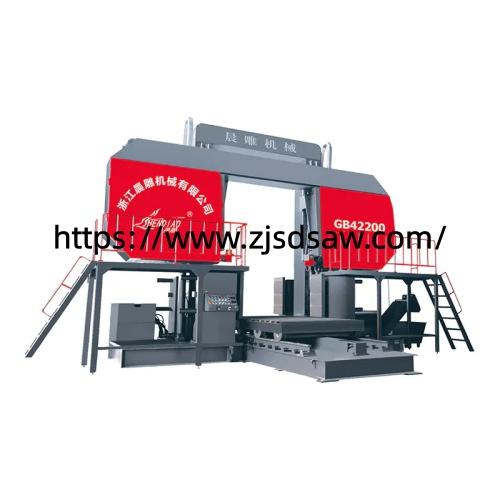
Band Saw Factory manufacturing involves much more than assembling individual mechanical components. Behind an industrial machine is a coordinated process that includes product planning, material selection, component preparation, mechanical assembly, electrical integration, and operational inspection. For businesses purchasing industrial equipment, understanding these stages can provide a clearer picture of what happens before a machine reaches the workshop.
The manufacturing environment plays an important role in this process. Different production areas may be responsible for preparing structural components, assembling mechanical systems, installing electrical elements, and checking finished equipment. When these activities are properly coordinated, production teams can organize their responsibilities and follow a more consistent manufacturing process.
One important stage is component preparation. Industrial equipment contains different structural and functional parts, each serving a particular purpose. Supporting frames, worktables, guiding assemblies, protective structures, and control components all need to correspond with the intended design. The selection of suitable materials and the preparation of individual parts influence how these components fit together during assembly.
Material selection deserves particular attention. Machinery used in industrial environments needs structural components suited to its intended working conditions. Metal frames and supporting assemblies need appropriate construction, while other components may require different material characteristics according to their functions. Manufacturers should consider the relationship between component materials, mechanical design, and the expected application of the finished equipment.
Mechanical assembly is another important part of production. Individual components must be installed according to the equipment design, with attention given to their positioning and connections. The arrangement of the supporting structure, working assembly, and material handling components influences the finished machine configuration. Proper assembly procedures also help production teams organize subsequent inspection activities.
Electrical integration introduces another level of coordination. Industrial machinery may combine motors, control panels, switches, sensors, and other electrical components. These elements need to work together according to the intended operating arrangement. Manufacturers should pay attention to wiring organization, component installation, control accessibility, and electrical inspection during the assembly process.
The design of the operator area also deserves consideration. Employees interact with the equipment during daily production, so the arrangement of controls and working spaces can influence their experience. A clearly organized interface, accessible operating positions, and practical inspection areas can make routine tasks easier to understand. These details are worth considering during product development rather than after equipment assembly has been completed.
Another important subject is product customization. Industrial customers may have different material handling requirements, production arrangements, and installation conditions. Some businesses need equipment for recurring manufacturing activities, while others require specific configurations for individual projects. Communication between the manufacturer and customer helps clarify these needs before production begins.
A clear project discussion should cover the materials being processed, the intended applications, the available workshop space, and the expected operating procedures. Customers can also provide information about their existing production equipment and material flow. This allows the manufacturer to evaluate the project more carefully and discuss whether adjustments to the proposed configuration are appropriate.
Inspection is an essential part of manufacturing organization. Before equipment is delivered, manufacturers need to review its assembly condition and intended operating functions. Inspection may involve checking mechanical connections, electrical arrangements, protective components, control functions, and general equipment condition. Documented procedures can help production teams organize these checks and communicate the results to customers.
Packaging and delivery preparation also deserve attention. Industrial machinery often contains multiple assemblies and components that need suitable protection during transportation. Manufacturers should consider the equipment structure, vulnerable parts, and handling requirements when preparing shipments. Clear communication about delivery arrangements can help customers prepare their receiving areas and installation schedules.
The relationship between the factory and its customers continues beyond production. Buyers may need installation guidance, operating documentation, maintenance instructions, or assistance with replacement components. A manufacturer that communicates clearly about these arrangements can help customers prepare for equipment ownership and coordinate their internal production teams.
Chendiao develops industrial sawing equipment for different manufacturing applications. Its product range includes manual, semi-automatic, automatic, and CNC-related configurations. By offering different equipment arrangements, the company provides industrial buyers with options to consider according to their material processing requirements, production organization, and workshop conditions.
For purchasing teams, evaluating a manufacturer should involve more than reviewing a finished product photograph. Component selection, assembly organization, electrical integration, customization communication, inspection procedures, and delivery preparation all deserve attention. These factors help buyers understand how equipment is developed and how a supplier approaches customer projects. Businesses planning industrial equipment purchases can review Chendiao machinery and available product categories at https://www.zjsdsaw.com/product/ to compare relevant solutions for their manufacturing operations.

 Arabic
 French
 Spanish
 Portuguese
 Deutsch
 Turkish
 Dutch
 Italiano
 Russian
 Romaian
 Portuguese (Brazil)
 Greek