


Telematics: Transforming Fleet Management Through Smart Connectivity and Real-Time Data
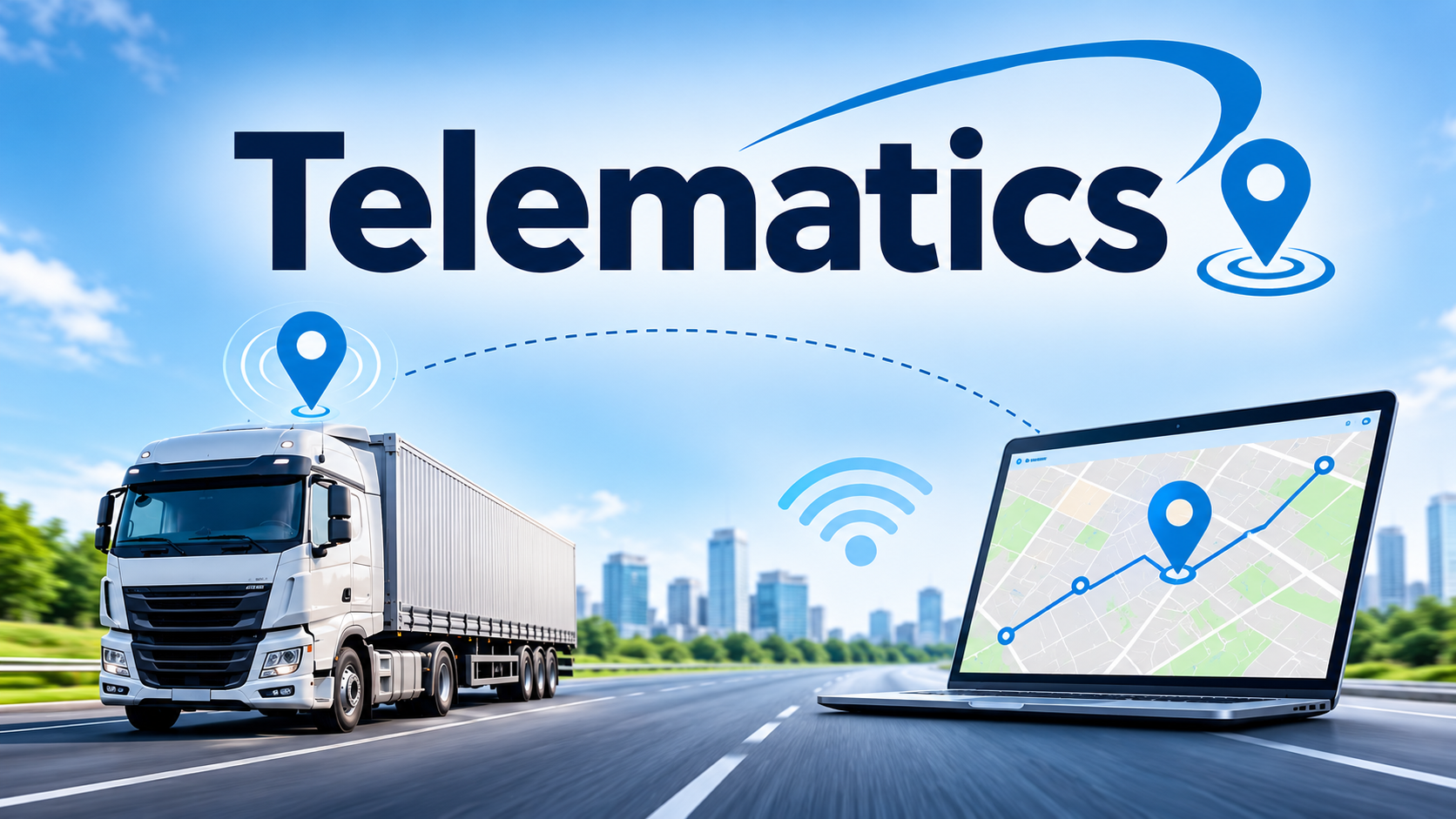
Telematics is an advanced technology that combines telecommunications, GPS tracking, and data analytics to monitor, manage, and optimize vehicles and assets. It enables businesses to collect and analyze real-time information about vehicle location, performance, driver behavior, fuel consumption, and operational activities. By integrating communication systems with intelligent software, telematics helps organizations improve fleet efficiency, enhance safety, reduce operational costs, and make informed business decisions.
In today's rapidly evolving transportation and logistics industry, telematics plays an important role in transforming traditional fleet operations into smarter, more connected, and data-driven systems. Businesses across various industries use telematics solutions to gain better visibility, streamline transportation processes, and improve overall productivity.
How Telematics Works
Telematics systems use a combination of GPS devices, onboard sensors, wireless communication networks, and centralized software platforms. These components work together to collect, transmit, and analyze vehicle-related information.
GPS technology tracks vehicle locations and movement, while onboard diagnostic systems collect information about engine performance, speed, fuel levels, and vehicle health. The collected data is transmitted through cellular or other communication networks to a centralized platform, where fleet managers can access reports and real-time updates.
With an easy-to-use dashboard, businesses can monitor multiple vehicles, analyze operational performance, identify potential issues, and take timely action. This integrated approach makes fleet management more transparent, efficient, and reliable.
Key Features of Telematics Solutions
Modern telematics solutions offer several features designed to improve vehicle and fleet operations.
1. Real-Time GPS Tracking
GPS tracking allows fleet managers to monitor vehicle locations in real time. It provides accurate information about vehicle movement, routes, stops, and estimated arrival times. This helps businesses improve delivery planning, coordinate transportation activities, and maintain better control over fleet operations.
2. Vehicle Health Monitoring
Telematics systems collect diagnostic information to monitor engine performance, battery health, temperature, and other important vehicle parameters. These insights help identify potential mechanical problems before they become serious issues, reducing unexpected breakdowns and maintenance expenses.
3. Fuel Management
Fuel consumption is a major operational expense for transportation businesses. Telematics helps monitor fuel usage, identify excessive consumption, and detect unusual fuel-related activities. By analyzing fuel data and driving patterns, businesses can implement strategies to reduce wastage and improve fuel efficiency.
4. Driver Behaviour Monitoring
Driver behavior directly affects road safety, vehicle performance, and fuel consumption. Telematics solutions monitor activities such as harsh braking, rapid acceleration, overspeeding, and excessive idling. These insights help organizations encourage safer driving habits and improve driver accountability.
5. Route Optimization
Route optimization helps businesses identify efficient travel routes based on distance, traffic conditions, delivery locations, and operational requirements. Optimized routes reduce unnecessary travel, save fuel, minimize delays, and improve customer satisfaction.
6. Automated Reporting and Analytics
Telematics platforms generate detailed reports related to vehicle utilization, driving patterns, fuel consumption, maintenance schedules, and fleet productivity. These reports provide valuable insights that support better planning and informed decision-making.
Benefits of Telematics for Businesses
Implementing telematics technology offers significant advantages for organizations managing vehicles, transportation networks, and mobile assets.
Improved Operational Efficiency: Real-time information helps fleet managers coordinate vehicles, monitor activities, and optimize daily operations. This improves resource utilization and reduces unnecessary delays.
Reduced Operational Costs: By monitoring fuel consumption, vehicle maintenance, and driving behavior, businesses can identify areas of unnecessary expenditure and implement cost-saving measures.
Enhanced Vehicle Safety: Driver behavior monitoring and vehicle health alerts help reduce operational risks. Businesses can use collected information to improve driver training and encourage responsible driving practices.
Better Fleet Visibility: Centralized monitoring provides a clear overview of vehicle locations, movement, and performance. Fleet managers can quickly identify operational issues and respond effectively.
Increased Productivity: Efficient route planning, improved vehicle utilization, and timely maintenance help businesses complete more tasks while using available resources effectively.
Improved Customer Satisfaction: Accurate vehicle tracking and delivery updates help businesses provide better communication, reliable estimated arrival times, and improved transportation services.
Applications of Telematics Across Industries
Telematics technology is widely used across different industries where vehicle monitoring, asset tracking, and transportation management are essential.
-
Transportation and Logistics: Helps monitor delivery vehicles, optimize routes, track shipments, and improve transportation efficiency.
-
Fleet Management: Provides real-time vehicle tracking, fuel monitoring, driver behavior analysis, and maintenance management.
-
Construction: Supports equipment tracking, machinery utilization, and monitoring of heavy vehicles across construction sites.
-
Public Transportation: Helps monitor buses, manage schedules, improve passenger safety, and optimize transport services.
-
Delivery Services: Enables businesses to track delivery vehicles, manage dispatch operations, and provide accurate delivery updates.
-
Agriculture: Supports the monitoring of agricultural machinery, equipment utilization, and vehicle movement across farms.
-
Mining and Industrial Operations: Helps monitor heavy equipment, improve asset utilization, and enhance operational safety.
Role of Telematics in Fleet Management
Telematics has become an essential part of modern fleet management because it connects vehicles, drivers, and management systems through a centralized digital platform. It provides businesses with accurate operational information that supports better planning and control.
Fleet managers can monitor vehicle movement, track fuel consumption, schedule preventive maintenance, and evaluate driver performance using real-time data. These capabilities help organizations reduce vehicle downtime, improve fleet utilization, and maintain consistent service quality.
Additionally, telematics supports better communication between drivers and fleet management teams. By sharing important operational updates, businesses can respond quickly to unexpected situations and maintain smoother transportation activities.
Future of Telematics Technology
The future of telematics is closely connected with artificial intelligence, the Internet of Things (IoT), cloud computing, and advanced data analytics. These technologies are making telematics systems smarter, faster, and more predictive.
AI-powered analytics can help identify unusual vehicle behavior, predict maintenance requirements, and recommend operational improvements. IoT-enabled sensors provide detailed information about vehicle conditions and surrounding environments, while cloud-based platforms allow businesses to access fleet information from different locations.
As electric vehicles become more common, telematics will also play an important role in monitoring battery performance, charging status, energy consumption, and vehicle efficiency. These developments will help businesses build more sustainable and technologically advanced transportation systems.
Conclusion
Telematics is transforming the way businesses monitor vehicles, manage fleets, and optimize transportation operations. By combining GPS tracking, communication technologies, vehicle diagnostics, and data analytics, it provides valuable insights that improve efficiency, safety, and productivity.
From real-time vehicle tracking to fuel management and predictive maintenance, telematics offers comprehensive solutions for modern business requirements. Investing in reliable telematics technology enables organizations to reduce operational costs, improve resource utilization, enhance customer satisfaction, and achieve long-term operational growth. As technology continues to advance, telematics will remain a key driver of innovation in fleet management and intelligent transportation systems.

 English
 Arabic
 French
 Spanish
 Portuguese
 Deutsch
 Turkish
 Dutch
 Russian
 Romaian
 Portuguese (Brazil)
 Greek