


Island Ceiling-Mounted Range Hood: A Complete Guide for Buyers
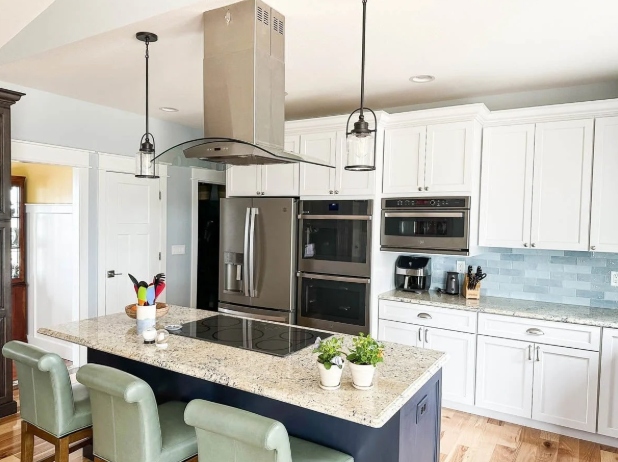
An island cooktop creates an open cooking area without a wall to contain smoke, steam, and food odors. While this layout gives a kitchen a spacious appearance, it also makes effective ventilation important. A ceiling-mounted hood helps capture cooking byproducts before they spread into nearby living and dining spaces. Before purchasing an island ceiling-mounted range hood, consider more than its appearance. Its size, airflow capacity, mounting height, construction material, and maintenance requirements all affect performance. Understanding these factors can help you compare available models and select one that suits your kitchen layout and cooking habits.
Measure the Island and Cooktop First
Start by measuring the width and depth of your cooktop. The hood should generally be at least as wide as the cooking surface. Extra coverage helps capture smoke that escapes around the edges, especially because island cooktops lack nearby walls or cabinets to direct rising air.
Larger cooktops may need wider models. Measure the available ceiling space, hood dimensions, and distance from the cooking surface to ensure adequate clearance and coverage.
Compare Airflow Capacity
Airflow is measured in cubic feet per minute (CFM), which indicates how much air the blower can move. Capacity depends on cooktop size, burner count, and cooking habits.
Frequent frying, searing, and high-heat cooking can create more smoke and grease, making stronger ventilation useful. Proline's island collection includes models with airflow options ranging from 600 CFM to 2,000 CFM, depending on the product. When comparing an island ceiling-mount range hood, review the individual blower specifications rather than assuming every model offers the same power. Match capacity to your cooking equipment.
Duct design also affects performance. Long runs, sharp turns, and undersized ductwork can restrict airflow and increase noise. Follow the recommended duct diameter and minimize bends; a high CFM rating cannot compensate for poor ductwork.
Check the Ceiling Height and Mounting Position
Mounting position affects both performance and convenience. A hood installed too high may miss rising smoke, while one placed too low can interfere with cooking or obstruct the view.
Measure from the cooktop to the ceiling and check the recommended installation height, chimney adjustment, and any extension requirements. Confirm that the ceiling can support the hood and accommodate its electrical and duct connections. A properly installed island ceiling-mounted range hood should remain stable and positioned according to the manufacturer's clearance guidelines.
Choose a Suitable Material and Finish
Stainless steel is a popular choice for island ventilation because it offers a clean appearance and is relatively easy to maintain. Its smooth surface also makes routine wiping straightforward when cooking residue collects. Proline's collection includes 430 stainless steel models and options with 304 stainless steel. Grade 304 generally offers better corrosion resistance, making it worth considering in humid environments.
Consider how the finish works with your appliances and cabinet hardware. Follow cleaning instructions to avoid scratching or dulling the surface.
Decide Between Ducted and Ductless Ventilation
Ducted hoods carry smoke, grease, and cooking odors through ductwork to an exterior outlet. This setup is generally preferred when an external vent route is available because it removes cooking exhaust from the home.
Ductless models recirculate air through filters, including charcoal filters that help reduce odors. They may suit kitchens without an exterior duct route, but do not remove heat and moisture like ducted systems. Check whether conversion is supported and whether accessories are sold separately.
Look at Filters, Lighting, and Controls
Removable stainless steel baffle filters help collect grease and make routine cleaning easier. Check cleaning instructions and whether filters are dishwasher-safe. Regular cleaning helps maintain airflow.
LEDs improve cooktop visibility, while variable-speed controls adjust airflow to cooking conditions. Compare available controls and choose an easy-to-use design.
Make the Final Comparison
A suitable hood should match the cooktop, provide enough airflow, and fit the available ceiling space. Compare dimensions, blower capacity, materials, ducting, and cleaning needs before buying.
When comparing a 30-inch kitchen hood with larger options, focus on cooktop coverage and ventilation performance rather than size alone. The right combination of fit, airflow, and useful features will help create a more comfortable cooking environment.

 English
 Arabic
 French
 Spanish
 Portuguese
 Turkish
 Dutch
 Italiano
 Russian
 Romaian
 Portuguese (Brazil)
 Greek