


How Kindergarten Builds Early Reading and Writing Skills
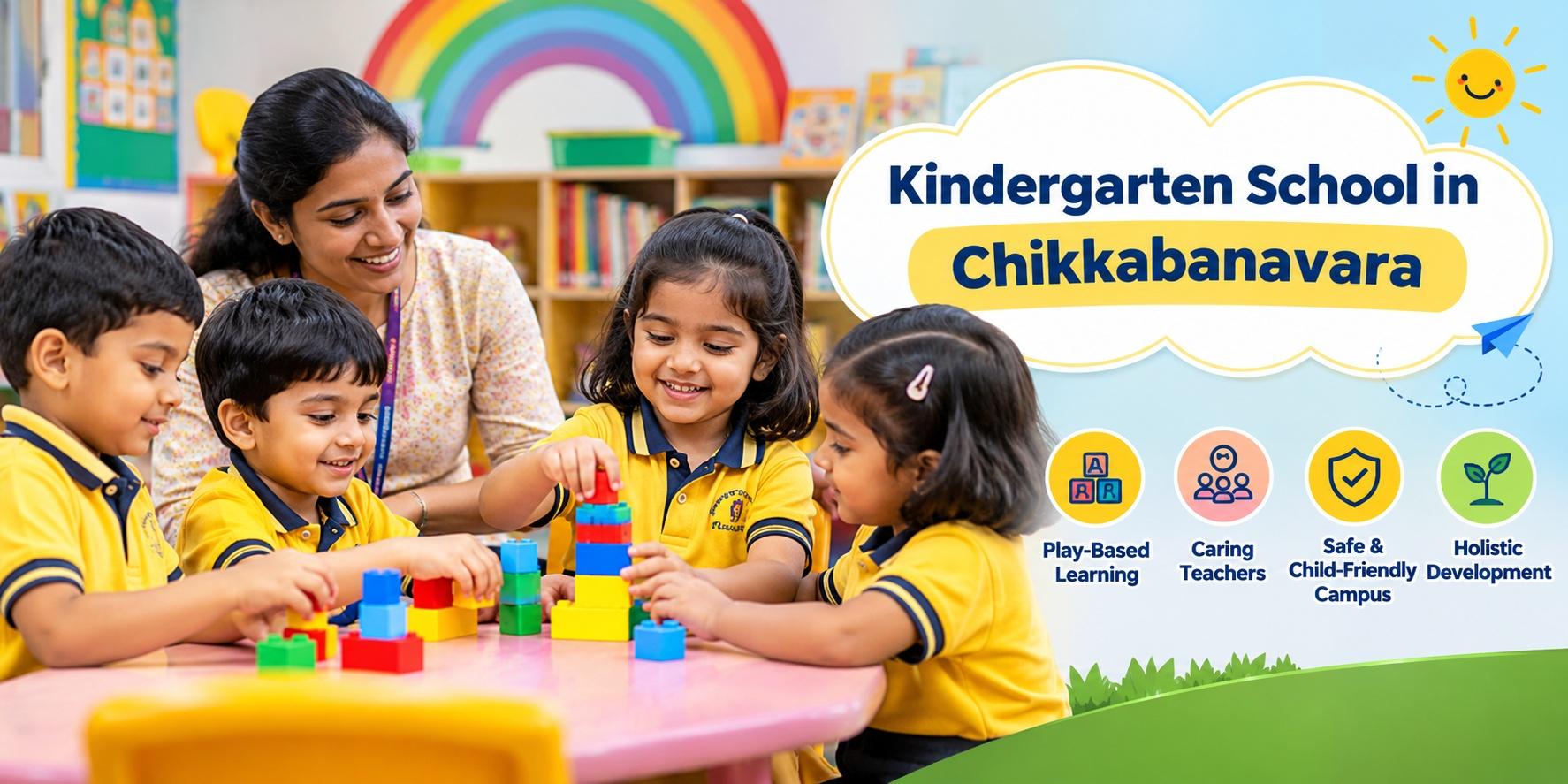
The early years of a child's education play an important role in developing the foundation for reading and writing. Before children begin reading complete sentences or writing words independently, they need to become familiar with letters, sounds, shapes, pictures, and simple language activities. Kindergarten provides opportunities to develop these abilities through guided lessons, games, storytelling, drawing, and everyday classroom interactions.
Developing Kindergarten Reading and Writing Skills is not simply about teaching children to memorise the alphabet. It involves helping them recognise letters, understand sounds, improve vocabulary, develop hand control, and express their thoughts. A supportive kindergarten environment makes these activities enjoyable while preparing children for more structured learning in primary school.
Why Are Reading and Writing Skills Important in Kindergarten?
Reading and writing are essential communication skills that children gradually develop through practice and exposure. Kindergarten introduces the basic abilities needed for these skills in an age-appropriate way.
Early literacy skills include recognising letters, listening to sounds, understanding simple words, speaking clearly, and showing interest in books. Writing readiness involves developing hand movements, recognising shapes, drawing lines, and learning how written symbols represent ideas.
These abilities help children:
· Recognise letters and familiar words.
· Understand the connection between letters and sounds.
· Improve vocabulary and listening skills.
· Express ideas through drawings and early writing.
· Develop hand coordination and pencil control.
· Become more comfortable with books and classroom activities.
Children develop at different speeds, so teachers should provide regular opportunities to practise without creating unnecessary academic pressure.
7 Ways Kindergarten Builds Early Reading and Writing Skills
1. Develops Letter Recognition Through Daily Activities
Letter recognition is one of the first steps towards learning to read. Children need opportunities to identify letters, understand their shapes, and gradually distinguish between different alphabet characters.
Kindergarten teachers introduce letters through alphabet charts, flashcards, picture books, matching games, and classroom displays. Repeating these activities in different ways helps children become familiar with the alphabet.
For example, a teacher may show the letter B alongside pictures of a ball, bird, and banana. Children can identify the letter, say its name, and connect it with familiar objects.
Teachers can also encourage children to identify letters in their names, classroom labels, and storybooks. These everyday experiences make letter recognition more meaningful.
2. Introduces Letter Sounds and Early Phonics
Recognising a letter is different from understanding the sound it represents. Children gradually learn that letters are connected to sounds, which helps them prepare for reading simple words.
Teachers can introduce basic sounds through rhymes, songs, picture cards, and listening games. For example, children may practise identifying words that begin with the same sound.
Simple phonics activities can include:
· Matching letters with pictures.
· Identifying the beginning sounds of familiar words.
· Repeating simple rhyming words.
· Listening for similar sounds in everyday language.
· Practising letter sounds through songs and games.
These activities develop sound awareness and help children understand how spoken language connects with written language.
3. Uses Storytelling to Improve Language and Reading Readiness
Storytelling introduces children to new vocabulary, sentence patterns, characters, and different situations. It also helps them understand that printed words and pictures communicate information.
During kindergarten sessions, teachers can read illustrated storybooks aloud and encourage children to observe the pictures. They may ask simple questions about the characters, events, and objects in the story.
For example, asking "What do you think will happen next?" encourages children to listen carefully, think, and express their ideas.
Regular storytelling helps develop listening comprehension, imagination, vocabulary, and an interest in books. These abilities support future reading development.
4. Encourages Pre-Writing Activities
Children need to develop hand control and coordination before they can write letters and words comfortably. Pre-writing activities help prepare their hands and fingers for these tasks.
At the kindergarten stage, children can practise drawing straight lines, curved lines, circles, simple patterns, and different shapes. These movements gradually introduce the control needed for forming letters.
Useful pre-writing activities include:
· Tracing simple lines and shapes.
· Colouring pictures within large spaces.
· Drawing circles, curves, and patterns.
· Playing with clay or soft modelling materials.
· Connecting dots to complete pictures.
· Using age-appropriate crayons and pencils.
These activities make early writing practice enjoyable while developing fine motor control and hand-eye coordination.
5. Builds Vocabulary and Communication Skills
Children need a growing vocabulary to understand stories, follow instructions, describe objects, and communicate their thoughts. Kindergarten provides regular opportunities to listen to and use new words.
Teachers introduce vocabulary through classroom conversations, picture descriptions, songs, storytelling, and discussions about familiar subjects.
For example, a lesson about animals may introduce words such as habitat, feathers, tail, and paws. Children can identify animals in pictures and describe what they observe.
Speaking activities also prepare children for reading comprehension because understanding spoken language helps them make sense of written information later.
6. Introduces Simple Writing Through Pictures and Words
Early writing does not always begin with complete sentences. Children may first express their ideas through drawings, marks, shapes, and attempts to write letters.
Kindergarten teachers can encourage children to draw familiar objects and talk about what they have created. As their skills develop, they can practise writing their names, copying simple letters, and attempting familiar words.
For example, after drawing a picture of a house, a child may try to write the letter H or identify the word house with guidance.
The goal is to encourage expression and build confidence. Children should receive positive feedback for their efforts rather than being expected to write perfectly at an early stage.
7. Creates Regular Opportunities for Reading and Writing Practice
Children develop new skills through consistent practice. A kindergarten programme should include regular opportunities to explore books, identify letters, listen to stories, draw, and practise early writing.
A balanced classroom routine may include a short story session, alphabet recognition games, drawing activities, and simple writing exercises.
Teachers can gradually increase the difficulty of activities according to children's abilities. Some children may need more practice identifying letters, while others may be ready to explore simple words.
This flexible approach supports individual progress and helps children develop a positive attitude towards learning.
What Parents Should Look for in a Kindergarten Reading and Writing Programme
Parents choosing a kindergarten should understand how the school introduces early literacy and writing activities. The teaching approach should be suitable for children's ages and abilities.
Age-Appropriate Learning Methods
Check whether the programme uses games, stories, pictures, songs, and hands-on activities to introduce reading and writing. Young children benefit from varied learning experiences rather than long periods of copying or memorisation.
Opportunities for Individual Practice
Children learn at different speeds. Ask whether teachers provide support to children who need additional practice with letter recognition, sounds, pencil control, or vocabulary.
Learning Materials and Classroom Resources
Look for suitable storybooks, alphabet charts, picture cards, drawing materials, puzzles, and writing resources. These materials should be safe, accessible, and appropriate for the children's age group.
Teacher Guidance and Parent Communication
Teachers should encourage children patiently and provide feedback about their progress. Regular communication helps parents understand which skills their children are practising and how they can support learning at home.
How Parents Can Support Early Literacy Skills at Home
Parents can strengthen classroom learning through simple daily activities. These do not require expensive materials or lengthy study sessions.
· Read illustrated storybooks together.
· Help children recognise letters in familiar words.
· Sing alphabet songs and simple rhymes.
· Encourage drawing, colouring, and tracing.
· Ask children to describe pictures and objects.
· Practise writing their names with guidance.
· Talk about new words during everyday activities.
Keeping these activities enjoyable helps children develop confidence and interest without feeling pressured.
Frequently Asked Questions
At what age should children start learning reading and writing skills?
Children can begin developing early literacy and writing readiness during their preschool and kindergarten years. Activities should match their individual development rather than follow a rigid timetable.
What are the best pre-writing activities for kindergarten children?
Tracing lines, drawing shapes, colouring, connecting dots, and playing with modelling clay are useful activities for developing hand control and coordination.
How does letter recognition help children learn to read?
Letter recognition helps children identify alphabet characters. When they gradually connect letters with their sounds, they begin developing the foundation for reading simple words.
How can parents improve early literacy skills at home?
Parents can read stories, sing rhymes, practise letter recognition, encourage drawing, and talk with children regularly to support vocabulary and communication.
Conclusion
Kindergarten plays an important role in building the foundation for reading and writing. Through letter recognition, storytelling, phonics, pre-writing activities, and regular classroom practice, children gradually develop the skills needed for future literacy learning.
A good kindergarten programme makes these experiences enjoyable, supportive, and appropriate for each child's development. When teachers and parents work together, children can build confidence, develop early literacy skills, and approach their next stage of education with greater readiness.

 English
 Arabic
 French
 Portuguese
 Deutsch
 Turkish
 Dutch
 Italiano
 Russian
 Romaian
 Portuguese (Brazil)
 Greek