


Rapid vs 48-Hour Results for an STD Test in Dubai
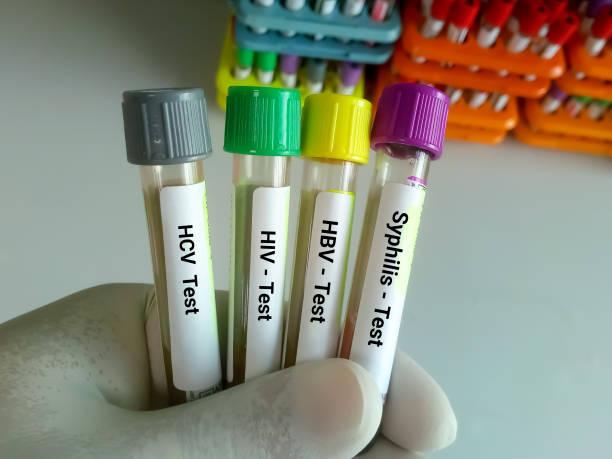
Waiting for laboratory results can be stressful, particularly when someone is concerned about a recent exposure or experiencing symptoms. When arranging an STD Test in Dubai, patients may encounter options described as rapid, same-day, or standard laboratory testing. However, a shorter turnaround does not automatically mean a test is more accurate, and the actual reporting time depends on the diagnostic method, laboratory workflow, and infections being investigated.
Understanding how rapid testing differs from conventional laboratory processing helps patients choose an appropriate screening approach without compromising diagnostic quality.
How Rapid Testing Works for an STD Test in Dubai
Rapid testing refers to diagnostic methods designed to provide results within a relatively short period. Some tests are performed near the point of care, while others use molecular technology with a faster laboratory workflow.
The term rapid can describe different technologies, so patients should confirm exactly which test is being offered.
What Is a Rapid Molecular Test
Rapid molecular testing identifies genetic material from a microorganism. Depending on the platform, it may use nucleic acid amplification technology to detect specific infections in a collected specimen.
Unlike conventional culture methods, molecular testing does not require the organism to grow in a laboratory before detection. This can shorten the time needed to identify certain pathogens.
However, rapid molecular platforms differ in their approved uses, specimen requirements, and organisms covered. A rapid test for one infection should not be assumed to detect every sexually transmitted infection.
How Point-of-Care Testing Differs From Laboratory Testing
Point-of-care testing is performed close to where the patient receives care, often within a clinic or testing facility. It can reduce the time between specimen collection and result availability.
Laboratory-based testing involves sending specimens to a diagnostic laboratory for processing. Some laboratories use automated systems that can also produce results within hours, although reporting may take longer because of transport, batching, verification, and administrative steps.
The distinction is therefore not simply rapid versus slow. It also involves the test technology and the laboratory's workflow.
Understanding the 48-Hour Laboratory Turnaround
A result described as having a 48-hour turnaround generally refers to an estimated reporting window rather than a universal guarantee. Some tests may be completed sooner, while others require additional processing.
What Happens After Sample Collection
A laboratory typically follows several stages before releasing a result:
-
Specimen registration: The sample is logged and linked to the patient's details.
-
Sample assessment: The laboratory checks whether the specimen is suitable for testing.
-
Test preparation: The sample is prepared according to the selected diagnostic method.
-
Laboratory analysis: The relevant assay is performed.
-
Quality review: Results are checked and validated according to laboratory procedures.
-
Report release: The authorised report is made available to the healthcare provider or patient through the agreed process.
A delay at any stage can affect the final reporting time.
Why Some Tests Take Longer Than Others
Different infections require different diagnostic approaches. A molecular test may have a relatively short analytical time, while a culture-based investigation may need additional time for organism growth and identification.
Turnaround can also be influenced by:
-
The number of tests requested
-
Whether the laboratory performs the assay on-site
-
Specimen transport requirements
-
Laboratory operating hours
-
Additional confirmation or repeat testing
-
Weekends and public holidays
Patients should ask whether the stated turnaround begins at collection, laboratory receipt, or completion of the testing process.
Does Faster Testing Mean Better Accuracy
A rapid result is useful only when the test is appropriate for the infection being investigated. Speed alone does not determine sensitivity, specificity, or clinical reliability.
Sensitivity and Specificity Still Matter
Sensitivity describes how well a test identifies people who have the infection. Specificity describes how well it identifies people who do not have it.
Both characteristics depend on the particular assay and the population or clinical setting in which it is used.
A rapid test may perform well for its intended purpose, but its results should not be compared with another test without considering the organism, specimen type, and validated performance data.
The Importance of Testing at the Correct Time
A test performed too soon after exposure may not detect an infection that has not yet reached a detectable level. This is known as the window period.
The appropriate testing interval differs by infection and test method. A rapid result does not remove the need to consider the window period or repeat testing when recommended by a healthcare professional.
Choosing the Right STD Test in Dubai for Your Needs
The most suitable option depends on why testing is being arranged.
| Consideration | Rapid testing | Standard laboratory testing |
|---|---|---|
| Result timing | May be available within the same day | May take longer, depending on the assay |
| Test technology | Depends on the specific rapid platform | May include molecular, serological, or culture methods |
| Infection coverage | Limited to the organisms included in the assay | Can support broader testing when clinically indicated |
| Specimen requirements | Platform-specific | Depends on the laboratory method |
| Best consideration | When a suitable rapid test is available | When broader or specialised testing is required |
Patients with symptoms may need a clinical assessment rather than selecting a test based only on speed. A healthcare professional can determine which infections and sample sites should be investigated.
What to Ask Before Booking a Rapid STD Test
Before choosing a same-day option, clarify what the provider means by rapid testing.
Ask whether the test is molecular or antibody-based, which infections it detects, what specimen is required, and whether the laboratory has validated the method for that specimen.
It is also helpful to confirm whether the result is preliminary or final and whether a positive or unclear result requires additional testing.
Clinic Note: A shorter reporting time does not replace appropriate test selection. For an STD Test in Dubai, the diagnostic method, specimen quality, exposure timing, and clinical interpretation are all important parts of reliable screening.
FAQs About Rapid and Standard STD Testing
Can an STD test provide results on the same day?
Some rapid tests and laboratory platforms can provide same-day results. Availability depends on the specific infection, diagnostic method, laboratory facilities, and operating schedule.
Is a 48-hour STD test more accurate than a rapid test?
Not necessarily. Accuracy depends on the test's validated performance, the infection being investigated, and the specimen collected rather than turnaround time alone.
Are rapid molecular tests the same as rapid antibody tests?
No. Molecular tests detect genetic material from an organism, while antibody tests identify the body's immune response. They answer different diagnostic questions and may have different window periods.
Can I rely on a rapid negative result after recent exposure?
Not in every situation. If testing takes place during the window period, a repeat test may be recommended even when the initial result is negative.
What happens if a rapid result is positive?
A healthcare professional should interpret the result and explain whether additional testing, treatment, or follow-up is needed. The next step depends on the infection and the specific test used.
Discuss Testing and Result Timelines at Tajmeels Clinic
Choosing between rapid and standard laboratory testing requires more than comparing reporting times. Patients should consider the infection being investigated, the available diagnostic method, and whether follow-up testing may be necessary.
Tajmeels Clinic can help patients discuss their sexual health concerns and understand relevant screening considerations. If you are arranging an STD Test in Dubai, ask about the available tests, expected reporting timelines, and the clinical guidance provided with your results.

 English
 Arabic
 French
 Spanish
 Portuguese
 Deutsch
 Turkish
 Italiano
 Russian
 Romaian
 Portuguese (Brazil)
 Greek