


How to Choose Dependable Instruments for a Busy Portuguese Dental Clinic

Behind every comfortable appointment is a tray of tools that perform exactly as expected. Practices that order dental instruments in Portugal through a dependable dental instruments supplier tend to enjoy calmer, more predictable days. Crisp tips, steady joints and well-balanced handles ease the strain on the clinician's hands. Patients notice as well, since treatment feels quicker and gentler.
Low-cost tools often turn out to be the expensive ones. They lose their edge early, develop loose joints and force frequent replacements. One instrument failing mid-procedure can throw the entire day off schedule. A little research before buying protects your budget as well as your reputation. Smart purchasing is really the first step towards smooth daily work.
A Quick Tour of the Main Instrument Groups
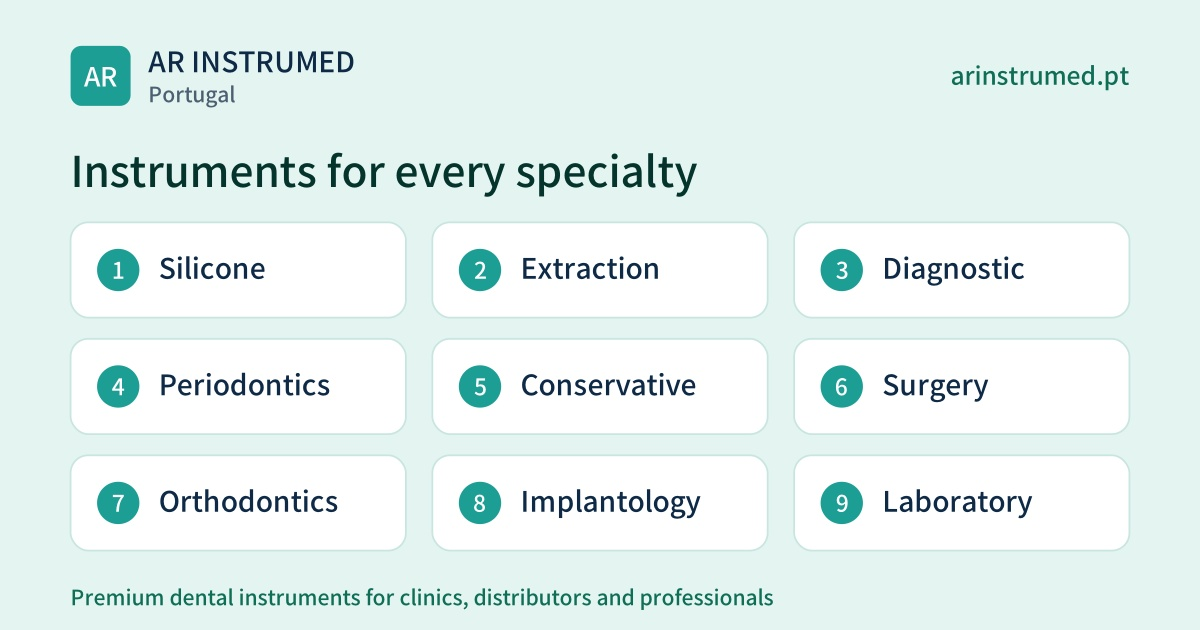
Instruments are usually sorted by the work they do. Diagnostic tools support examination, whereas extraction and surgical tools cover more invasive procedures. Restorative, periodontal, orthodontic and implant work each rely on their own specialised sets. Understanding these groups lets you build a balanced collection rather than shopping on impulse.
|
Group |
Common Tools |
What They Do |
|
Diagnostic |
Mirrors, probes, explorers |
Spot problems early |
|
Extraction |
Forceps, elevators |
Remove teeth gently |
|
Surgical |
Scissors, retractors |
Cut and hold tissue |
|
Orthodontic |
Pliers, cutters |
Shape and adjust wires |
|
Implant |
Drivers, depth gauges |
Place implants precisely |
A broad catalogue saves busy teams a lot of time. AR Instrumed lists over 2,700 items ready for delivery, from prophylaxis right through to surgery. With a range that wide, one order can often cover several needs. It also helps keep standards even across every tray. New staff learn faster when each tray is laid out in the same way.
Why Silicone Handles Make Long Days Easier
Anyone who scales teeth for hours knows how quickly the hands get tired. Silicone dental instruments provide a soft, textured grip that stays steady even when gloves are wet. A firmer hold means the user does not have to clench as tightly. Many clinicians report feeling noticeably fresher by the end of the day.
Silicone also wipes clean easily and handles repeated sterilisation well. Colour-coded handles let the team find the right tool at a glance on a crowded tray. Looked after properly, curettes and scalers with these grips can last for years. For clinics that value ergonomics, the upgrade is simple and worthwhile. Most staff get used to the feel almost immediately.
Gentle Extractions Begin With the Right Equipment
A successful extraction depends on control, not force. Carefully designed dental extraction instruments, including forceps and elevators, hold the tooth firmly while protecting the bone around it. Slim micro elevators loosen the tooth with very little trauma, which often leads to a calmer recovery. This careful approach benefits the patient and makes the dentist's job easier too.
Surgical instruments call for the same level of care. Scissors, retractors and needle holders should open smoothly and close exactly where they are meant to. Stainless steel with a precise finish resists corrosion and stays sharp for longer. Before ordering, it pays to check the material and how the instrument is made.
Accuracy in Orthodontic and Implant Work
Orthodontic treatment relies on tiny parts and very fine movements. Reliable orthodontic instruments like pliers and cutters need to grip wires securely without slipping. Even a minor misalignment in the tool can change the outcome. This is why specialists who buy dental instruments in Portugal often look for CNC-machined products.
Implant dentistry asks for the same precision. Calibrated implantology instruments such as drivers, depth gauges and osteotomes help position each implant at the right depth and angle. Dependable measuring tools also remove guesswork from the planning stage. Good equipment at this point supports stronger long-term results. Getting it right early saves time later in the treatment plan.
Spotting Problems Early With Diagnostic and Gum-Care Tools
Good diagnosis starts with a clear view and sensitive tips. Dependable dental diagnostic instruments such as mirrors, probes and explorers help the dentist catch issues before they grow. Quality versions keep performing through years of daily use. That consistency matters most at routine check-ups, where small warning signs are easy to overlook.
Gum health requires its own specialised kit. Slim, balanced periodontal instruments make it easier to clean below the gumline without causing needless discomfort. Rubber dam clamps and frames also keep the area dry during restorative work. Together, these tools improve visibility and keep procedures running efficiently. A careful choice here pays off at every appointment.

What to Ask Before Choosing a Long-Term Partner
Credentials matter when you commit to a regular source for your tools. A reputable dental instrument manufacturer will share its certifications and explain how its products are made. Clear instructions for use and helpful customer support are just as important. Fast delivery and good after-sales service show that a business values its customers. A well-organised dental instruments supplier will also keep stock ready for quick reorders.
Commercial terms deserve a close look as well. AR Instrumed, for example, offers a 14-day money-back guarantee and a 10% discount when you register on its website. Custom designs are also possible thanks to modern CNC technology. Before placing a large order, work through this short checklist:
-
Which certifications back your products?
-
Are samples available before a bulk order?
-
What do the warranty and return terms cover?
-
Can you produce custom instrument designs?
Everyday Habits That Keep Instruments in Shape
Even premium tools lose value if they are not looked after. Proper cleaning, drying and sterilisation protect patients and staff from cross-contamination. Organised trays and colour-coded cassettes keep each instrument separate and easy to process. A steady routine also speeds up chairside setup for the whole team. Small habits like these can add years to a tool's working life.
Rinse instruments soon after use so debris does not harden on the surface. Choose neutral cleaning solutions that will not damage the finish, and check tips and joints regularly. Replace anything worn rather than waiting for it to fail. Make sure everything is completely dry before storage to avoid spotting and corrosion.
FAQs
1. How do I know when an instrument needs replacing?
Worn tips, loose joints and surface damage are the usual warning signs.
2. Are silicone handles safe to sterilise?
Yes, good-quality silicone is made to withstand repeated autoclave cycles.
3. What is the best material for surgical tools?
High-grade stainless steel, because it is strong and resists corrosion.
4. Is it possible to order custom instruments?
Many manufacturers, AR Instrumed included, can create custom designs or modify existing products.
5. Why should I care about certifications?
They show that products meet recognised safety and quality standards.
Conclusion
Choosing the right instruments is one of the most valuable decisions a clinic can make. Once you understand the groups, materials and care habits, building a dependable collection feels much simpler. A partner with a broad range, solid credentials and reliable support removes much of the pressure. Begin with the essentials, ask thoughtful questions and let quality guide every order.

 English
 Arabic
 French
 Spanish
 Deutsch
 Turkish
 Dutch
 Italiano
 Russian
 Romaian
 Portuguese (Brazil)
 Greek