


How Baking Paper Is Prepared for Commercial Use
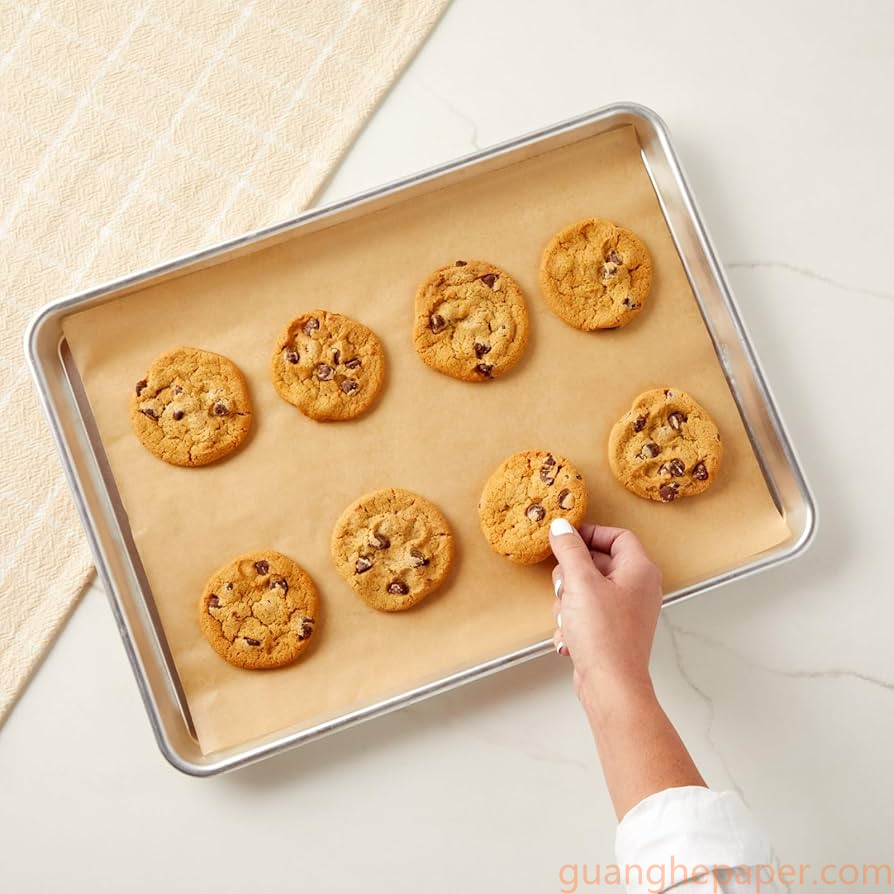
For importers and commercial buyers, sourcing baking materials involves evaluating both the finished product and the arrangements behind its supply. Product specifications, production consistency, packaging, and communication can all influence purchasing decisions. When reviewing a Baking Paper Factory, buyers should understand how the supplier manages product requirements and whether the available options match their intended applications.
The starting point is to identify how the paper will be used. Common applications include lining oven trays, preparing cookies and pastries, separating food portions, and supporting selected food-handling tasks. Different uses may require different dimensions, surface characteristics, and temperature limitations. Buyers should describe the intended application clearly so that product options can be evaluated against actual working conditions.
Material selection is one of the basic considerations. Baking paper products may differ in base paper, thickness, flexibility, and surface treatment. These properties can influence handling, grease resistance, and food release. A product that works well for one type of baking may not be appropriate for every food-processing task. Buyers should review the manufacturer's specifications before deciding whether a particular option is suitable.
Surface properties can affect the way food interacts with the paper. In baking applications, buyers may be interested in how easily cookies, pastries, or other products can be removed from the liner. However, performance depends on several factors, including the food formulation, moisture level, temperature, and baking duration. Product evaluation should therefore consider both the stated specifications and practical testing.
Consistency between production batches is important for businesses that place repeat orders. Changes in dimensions or handling characteristics may affect tray preparation, food release, and material usage. Buyers should ask how the factory defines product specifications and which characteristics are checked during production or before shipment. Understanding these procedures helps purchasing teams assess whether the supply arrangement matches their requirements.
Quality checks may cover different stages of production depending on the actual manufacturing process. They can include reviewing incoming materials, checking dimensions, examining surface appearance, and inspecting packaging. Buyers should request information about the checks relevant to their selected product. If a customer has particular acceptance requirements, these should be agreed upon before production begins.
The format of the product also matters. Rolls can be cut to different lengths and may suit kitchens with varied equipment. Pre-cut sheets offer consistent dimensions and can reduce preparation time in operations that use standardized trays. Buyers should compare these formats based on production volume, labor routines, equipment sizes, and storage space. Available dimensions should be confirmed directly with the supplier.
Packaging affects how products are stored, handled, and distributed. Bulk cartons may be practical for industrial users, while smaller packs may be more suitable for distributors serving retail customers. Packaging should protect the paper from moisture, dirt, and physical damage during transportation. Buyers should discuss package quantities, carton sizes, labeling, and any market-specific requirements before confirming an order.
Sample testing helps determine whether a product meets practical expectations. A bakery can check how the paper fits its trays and performs with regular recipes. A distributor may examine product appearance, packaging, and ease of storage. Testing before a large purchase can help identify differences between the expected product and its actual performance.
Buyers with customized requirements should prepare detailed specifications. These may include sheet dimensions, roll format, thickness expectations, material characteristics, packaging preferences, and order quantities. Drawings or reference samples can make communication more precise. The final requirements should be confirmed in writing before production, especially when the order involves non-standard configurations.
Order planning should include production and delivery arrangements. Schedules can depend on quantity, material availability, customization, packaging, and shipping conditions. Buyers should request an estimate based on the actual order rather than rely on a general timeframe. Any changes made after confirmation should be reviewed to understand whether they affect production or dispatch.
International purchasing may also involve documentation. Depending on the destination market and intended application, buyers may need technical specifications, material details, packaging information, or other supporting documents. These requirements should be identified in advance. Any certificate or compliance statement should be checked for its scope and relevance to the specific product being purchased.
Cost evaluation should include the complete purchasing arrangement. Unit price is important, but it does not show the full effect of dimensions, material characteristics, packaging, order volume, customization, and shipping. Buyers should compare quotations using equivalent specifications and consider whether the product fits their equipment and workflow. This provides a more useful basis for evaluating value.
A well-organized sourcing process can reduce uncertainty and support repeat purchasing. Buyers should keep records of approved samples, product specifications, packaging details, and order terms. These records can help both parties manage future orders and identify differences if product requirements change. Clear communication is especially valuable when several customers or markets are involved.
When assessing a Baking Paper Factory, importers and distributors should prioritize product suitability, transparent specifications, and clearly explained quality procedures. Sample testing and written order confirmation provide practical ways to reduce purchasing risks. Businesses interested in baking and food-grade paper products can explore https://www.guanghepaper.com/product/baking-parchment-paper-sheets/ to review available product information and consider options for their supply requirements.

 English
 Arabic
 French
 Spanish
 Portuguese
 Deutsch
 Turkish
 Dutch
 Italiano
 Russian
 Romaian
 Portuguese (Brazil)