


Screen Eyewear with Modern Lens Coating Solutions
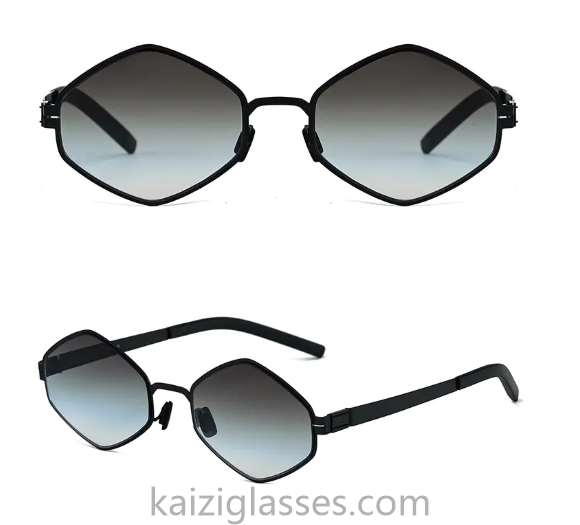
Digital devices have become part of everyday working, studying, shopping, and entertainment activities, creating opportunities for eyewear collections designed around modern screen-related lifestyles. For optical retailers and international distributors, Blue Light Glasses Anti Glare represents a product category that requires careful attention to lens characteristics and accurate product descriptions. Although blue light filtering and anti-reflective treatments are frequently discussed together, they serve different purposes. Understanding the distinction helps buyers select appropriate products, communicate specifications clearly, and develop more informative retail collections.
Blue light is part of the visible light spectrum and is present in natural daylight as well as light emitted by artificial sources, including electronic displays. Different light sources produce different spectral distributions, and the amount of light reaching the eyes depends on factors such as brightness, distance, and surrounding conditions. Blue light filtering lenses are designed to reduce the transmission of selected wavelengths within the blue portion of the visible spectrum. The filtering level depends on the lens material, treatment, and product design.
Anti-reflective treatment addresses reflections from lens surfaces. When light encounters a lens, some of it may be reflected rather than transmitted. Reflections can affect the visual appearance of the lens and may create distracting effects under certain lighting conditions. Anti-reflective coatings are designed to reduce these surface reflections through specialized optical layers. Depending on the coating construction, the treatment may also influence the appearance of residual reflections and the overall presentation of the finished lenses.
The distinction between these technologies is important for product selection. A lens with an anti-reflective coating does not automatically provide blue light filtering. Likewise, a blue light filtering lens does not necessarily have an anti-reflective treatment. Some eyewear products combine both characteristics, but buyers should confirm the actual configuration through product specifications. Clear terminology helps prevent confusion among distributors, retailers, and consumers who may otherwise assume that different lens features are interchangeable.
Lens appearance varies according to the selected materials and treatments. Some blue light filtering lenses have a relatively clear appearance, while others may display a noticeable tint or residual reflection. Anti-reflective coatings can also produce different visible reflections depending on their construction. Buyers should examine product samples under different lighting conditions and compare the appearance of the lenses from several angles. This is especially important for online retailers because lens color and surface reflections influence how accurately a product can be represented in photographs.
Frame design is another important consideration. Screen-related eyewear may be worn during office work, study sessions, reading, or everyday activities. Consequently, frame weight, bridge dimensions, temple length, and overall fit deserve attention. Plastic frames provide extensive options in shapes and colors, while acetate and metal constructions offer different visual styles. Buyers should select designs that correspond to their target customers rather than assuming that one frame style will suit every market segment.
Manufacturing screen-related eyewear involves both frame production and lens preparation. Depending on the frame material, manufacturing may include molding, cutting, shaping, polishing, drilling, and assembly. Lenses are prepared according to the intended dimensions and optical characteristics, with applicable treatments completed as part of the specified production process. During assembly, lens fitting must correspond to the frame construction, and handling procedures should protect coated surfaces from scratches or contamination.
Product development should begin with a clearly defined lens specification. Buyers need to establish whether they require blue light filtering, anti-reflective treatment, or a combination of both. They should also clarify whether the products are non-prescription screen glasses or frames intended for prescription lens fitting. These categories involve different product requirements and purchasing considerations. Providing clear instructions at the beginning helps suppliers identify suitable configurations and reduces misunderstandings during sample development.
Technical verification is particularly important when eyewear is marketed with specific optical claims. Buyers should request relevant documentation where available and confirm how stated filtering characteristics are measured. The visible color of a lens cannot establish its exact filtering performance. Similarly, the term anti-glare may be interpreted differently depending on the product and marketing context. Businesses should distinguish anti-reflective lens coatings from other glare-management features and avoid using unsupported performance percentages or health-related claims.
Quality inspection should address both frames and lenses. Frame inspections can examine symmetry, surface finishing, hinge operation, component attachment, and dimensional consistency. Lens inspections may consider scratches, visible contamination, coating uniformity, and conformity with the approved specifications. Packaging also deserves attention because lenses can be damaged through friction or pressure during storage and transportation. Appropriate protective materials and handling instructions can help maintain product condition before delivery to retailers.
For wholesale buyers, Blue Light Glasses Anti Glare can be included in several commercial eyewear categories, including optical retail, office lifestyle products, educational accessories, and online fashion collections. However, product positioning should reflect the actual lens characteristics rather than relying on broad promotional claims. Importers should confirm available frame designs, lens options, colors, dimensions, packaging, and supporting documentation before placing orders. If private-label development is required, logo placement, product labeling, and packaging artwork should be approved as part of the product specification.
The growing use of digital devices has created a recognizable market category, but buyers still need to differentiate products according to their actual construction and intended applications. Retail collections can combine different frame styles, lens appearances, and price positions to address a wider range of customer preferences. Clear product information helps distributors explain the differences between filtering lenses, anti-reflective treatments, UV protection, and prescription correction. Businesses interested in sourcing screen-related eyewear can explore Zhejiang Zhansheng Glasses Co., Ltd. (KAIZI) through https://www.kaiziglasses.com/product/blue-light-glasses/ to review available designs and consider suitable products for their international optical collections.

 English
 Arabic
 French
 Spanish
 Portuguese
 Deutsch
 Turkish
 Dutch
 Italiano
 Romaian
 Portuguese (Brazil)
 Greek