


How Does jtpackage Work with Wrapping Film Manufacturers' Requirements?
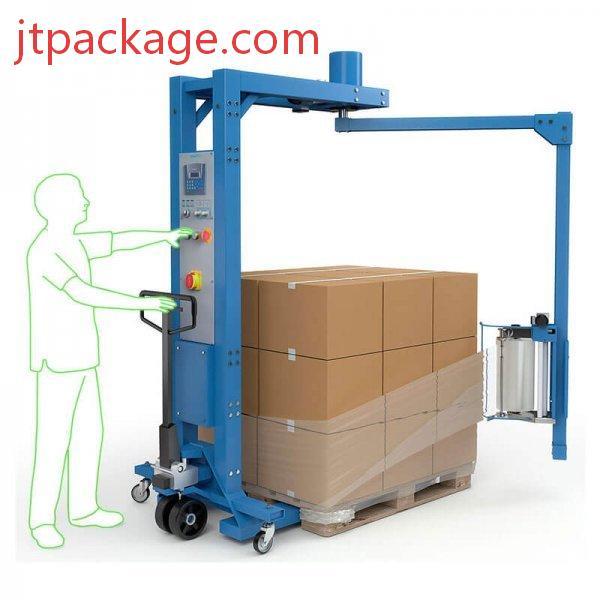
Behind every well-packaged product is a series of material decisions, production arrangements, and quality considerations. Businesses looking for suitable packaging materials often evaluate Wrapping Film Manufacturers according to their production capabilities, product range, communication, and ability to accommodate different applications. As a packaging supplier, jtpackage provides businesses with an opportunity to consider material options that correspond with their product characteristics and operational expectations.
Manufacturing wrapping film involves more than producing a flexible sheet of material. It requires attention to raw material selection, processing methods, film structure, thickness, and finished product characteristics. Each stage contributes to how the film performs during wrapping, sealing, storage, and transportation. A carefully organized manufacturing process helps maintain consistency and allows different specifications to serve different packaging purposes.
Material selection is one of the initial considerations when developing a packaging solution. Different products require different levels of flexibility, transparency, strength, and resistance to tearing. For example, food packaging, household goods, industrial components, and retail merchandise may have different wrapping requirements. Manufacturers need to understand these differences when determining suitable material formulations and product specifications.
Production equipment also plays an important role in film manufacturing. Extrusion systems, processing conditions, cooling arrangements, and winding equipment all influence the characteristics of finished film rolls. Manufacturers need to coordinate these processes according to the intended material properties. Proper production management helps maintain consistent thickness, surface appearance, and roll quality, which are important considerations for businesses using automated packaging equipment.
Another important aspect is product customization. Businesses may require different film widths, thicknesses, roll formats, or material characteristics according to their packaging machinery and product dimensions. Flexible specification arrangements can help buyers coordinate packaging materials with existing production lines. Clear discussions about technical requirements also reduce misunderstandings during purchasing and product preparation.
Packaging performance should be evaluated in relation to actual applications rather than general descriptions. A film designed for one wrapping process may not necessarily suit another. Buyers should consider sealing methods, operating temperatures, wrapping speed, product shape, and distribution conditions. Manufacturers that provide clear technical information can help customers understand how particular specifications correspond with their intended uses.
Communication between buyers and suppliers is equally important. Before placing an order, purchasing teams may need to discuss product requirements, sample evaluation, production arrangements, packaging details, and delivery expectations. A transparent communication process helps both parties establish a shared understanding of the project. It also creates a foundation for ongoing cooperation when businesses introduce new products or adjust their packaging strategies.
Consistency is another consideration in long-term purchasing relationships. Companies often need packaging materials that maintain stable characteristics across repeated orders. Differences in film thickness, roll winding, surface quality, or processing behavior may affect production arrangements. For this reason, manufacturers should pay attention to production management and specification control throughout their operations.
The packaging industry also continues to consider environmental responsibilities. Material consumption, production waste, packaging design, and recycling arrangements can influence purchasing decisions. Businesses may communicate these priorities to suppliers when discussing material options and future packaging plans. Considering operational requirements alongside environmental management can support more thoughtful material selection.
For buyers, choosing a manufacturing partner involves examining the complete cooperation process. Product knowledge, specification communication, production organization, and application guidance all contribute to the purchasing experience. Taking time to compare these elements can help businesses identify packaging arrangements that correspond with their commercial objectives.
Every packaging project begins with a material choice, but the right questions can open new possibilities. Visit https://www.jtpackage.com/product/ to browse packaging information, review available product options, and consider fresh ideas for your next project. Your next supplier search could lead to a packaging approach worth taking a closer look at.

 English
 Arabic
 French
 Spanish
 Portuguese
 Deutsch
 Dutch
 Italiano
 Russian
 Romaian
 Portuguese (Brazil)
 Greek