


Agricultural Spray Pumps for Modern Farming Systems
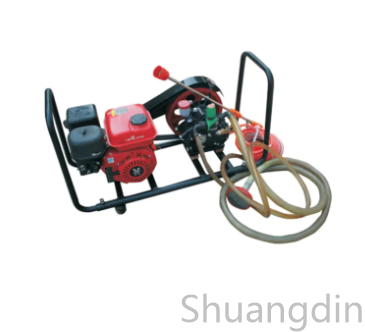
Agricultural spraying equipment is widely used to apply pesticides, herbicides, fungicides, and liquid fertilizers across different farming environments. A spray pump used in agriculture transfers prepared liquids from a storage tank into the distribution system, supplying the pressure and flow needed by the connected nozzles. Its performance influences liquid delivery, equipment operation, and the consistency of spraying applications. For agricultural machinery manufacturers, importers, and wholesalers, understanding pump technology is essential when selecting components for different farming requirements.
Agricultural spraying machines serve many applications, including open-field crop protection, orchard management, vineyard spraying, vegetable production, and greenhouse operations. Each application has its own equipment requirements. Field sprayers may use wide booms with multiple nozzles, requiring sufficient flow capacity to supply the entire distribution network. Orchard sprayers may need different pressure and nozzle arrangements to reach dense foliage. Pump selection should reflect these differences rather than relying on a single configuration for all machines.
Diaphragm pumps are commonly used in agricultural liquid delivery systems. Their operating principle relies on the repeated movement of a flexible membrane inside a pumping chamber. During the suction stroke, the diaphragm moves backward and creates space for liquid to enter through an inlet valve. During the discharge stroke, the diaphragm moves forward and pushes liquid through an outlet valve. The check valves help control directional flow and support continuous pumping cycles.
The construction generally includes a housing, diaphragm assembly, valves, seals, drive components, and inlet and outlet connections. The diaphragm separates the liquid chamber from the mechanical drive section, reducing direct exposure of certain mechanical components to the pumped solution. However, the diaphragm and all wetted parts must be suitable for the intended liquids. Material compatibility is particularly important when handling different pesticide and fertilizer formulations.
Pressure and flow rate are the main performance considerations. Flow rate determines how much liquid the pump can supply over a specific period, while pressure influences movement through hoses, pipes, regulators, and nozzles. These values should match the spraying machine's configuration. The number and type of nozzles, working width, machine speed, and intended application rate all influence the required pumping capacity.
Pump installation must also match the equipment's mechanical design. Tractor-mounted, trailed, and specialized sprayers may use different mounting positions and drive arrangements. Buyers should confirm dimensions, shaft requirements, operating speed, and connection sizes before purchasing. Secure installation and correct alignment help minimize vibration and mechanical stress during operation.
Filtration is essential for protecting internal components and downstream equipment. Particles entering the pump may interfere with valve operation or contribute to wear. Foreign materials can also block spray nozzles and affect liquid distribution. An appropriately selected inlet filter helps reduce contamination before liquid reaches the pump. Additional filtration can be included where required by the nozzle design and spraying system specifications.
Pressure regulators and bypass arrangements help manage liquid circulation and maintain suitable operating conditions. Operators should monitor pressure gauges and inspect regulators, hoses, and fittings regularly. Unusual pressure fluctuations may indicate restrictions, leakage, or component wear. Maintaining the system within the manufacturer's recommended operating range helps reduce unnecessary mechanical stress.
Agricultural spraying equipment also requires regular maintenance. Operators should inspect diaphragms, valves, seals, filters, and connections according to the manufacturer's recommendations. After using pesticides or fertilizers, the system should be flushed according to the relevant chemical instructions. This helps remove residues and reduce contamination between applications. Damaged components should be replaced with suitable parts that meet the original equipment requirements.
For B2B buyers, procurement decisions should consider pressure ratings, flow capacity, material compatibility, mounting dimensions, spare parts availability, and product consistency. Importers and distributors may need several configurations to serve different agricultural equipment manufacturers and regional markets. Confirming technical details before bulk purchasing helps reduce installation problems and improves customer support.
When choosing a spray pump used in agriculture, purchasers should consider the complete liquid delivery system rather than evaluating the pump independently. Tank connections, suction filtration, pressure regulation, hoses, and spray nozzles all influence practical performance. Selecting compatible components helps support dependable operation across different agricultural applications. For additional pump accessories and inlet and outlet filtration products, visit https://www.agriculturaldiaphragmpump.com/product/inlet-and-outlet-water-filters/

 English
 Arabic
 French
 Spanish
 Portuguese
 Deutsch
 Turkish
 Dutch
 Italiano
 Romaian
 Portuguese (Brazil)
 Greek