


Rhinoplasty Revision: Signs That Follow-Up Care May Be Needed
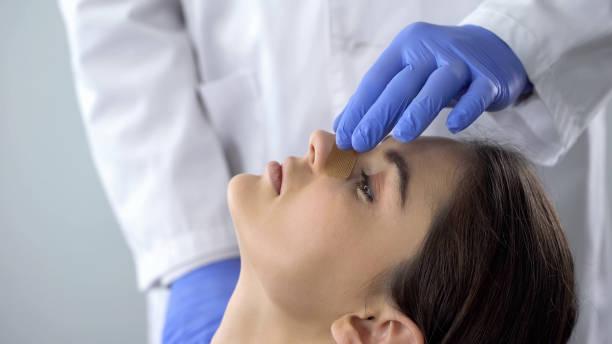
Rhinoplasty is a surgical procedure that changes the structure or appearance of the nose. Although many patients experience a smooth recovery, healing can sometimes bring unexpected changes or concerns. Rhinoplasty in Riyadh Understanding which symptoms are part of normal recovery and which may require professional assessment helps patients make informed decisions.
Rhinoplasty in Riyadh involves careful planning, appropriate surgical techniques, and follow-up care. After the procedure, patients may notice swelling, temporary changes in breathing, or gradual changes in nasal shape. Most concerns do not automatically mean revision surgery is necessary. However, persistent symptoms or unexpected results should be discussed with a qualified healthcare professional.
Understanding Rhinoplasty Revision
Revision rhinoplasty is a secondary procedure considered when someone has concerns following an earlier nose surgery. It may address structural, functional, or aesthetic issues that remain after the initial operation.
-
Structural concerns: Changes in nasal support or shape may require further assessment.
-
Breathing difficulties: Persistent nasal obstruction may indicate an underlying functional concern.
-
Appearance-related concerns: Noticeable irregularities or asymmetry may need professional evaluation.
-
Healing complications: Certain problems during recovery can affect the final outcome.
Revision surgery is not always the first or necessary solution. A specialist should assess the nose, review the original procedure, and determine whether further treatment is appropriate.
Signs That May Require Follow-Up Care
Recognizing changes that continue beyond the expected recovery period can help patients seek timely advice. Some symptoms may be temporary, while others deserve closer attention.
Persistent Swelling or Unusual Changes
Swelling is common after rhinoplasty and may take many months to settle. However, swelling that becomes worse, returns unexpectedly, or is accompanied by increasing discomfort should be discussed with a healthcare professional.
Ongoing Breathing Difficulties
Some temporary nasal congestion is expected during early healing. Persistent or worsening difficulty breathing through one or both nostrils may require an examination to identify possible structural or internal causes.
Noticeable Changes in Nasal Shape
As swelling decreases, the nose gradually reveals its changing contour. If a significant irregularity, unexpected asymmetry, or change in nasal support remains after the healing period, a specialist can determine whether it needs attention.
Persistent Pain or Signs of Infection
Mild discomfort can occur during recovery. Increasing pain, fever, unusual discharge, spreading redness, or worsening tenderness should not be ignored. These symptoms require prompt medical assessment rather than waiting for a routine appointment.
Why Rhinoplasty Results May Differ From Expectations
The final appearance of the nose depends on several factors, including anatomy, surgical planning, tissue response, and healing. Even when a procedure is carefully performed, individual results can vary.
-
Natural anatomy: Existing cartilage, bone structure, and skin characteristics influence the outcome.
-
Healing response: Swelling and scar tissue can affect how the nose settles.
-
Surgical changes: Adjustments to the nasal structure may influence support and contour.
-
Individual expectations: Clear discussions before surgery help establish realistic goals.
Patients should allow adequate healing time before judging the final result. Early swelling can make the nose appear uneven or different from its expected shape.
When Should Revision Be Considered?
Revision rhinoplasty is generally considered only after the nose has had sufficient time to heal. The appropriate waiting period varies depending on the original procedure, individual recovery, and the concern being assessed. In many cases, surgeons recommend waiting around a year before considering elective revision, although certain functional or urgent problems may need earlier evaluation.
A consultation may include a review of medical history, examination of the nasal structure, assessment of breathing, and discussion of previous surgical records. The specialist can explain whether observation, non-surgical management, or another procedure may be appropriate.
What to Discuss During a Follow-Up Appointment
Preparing questions can make a follow-up visit more productive. Patients should describe their concerns clearly and explain when they first noticed any changes.
Useful discussion points include:
-
Whether current swelling is consistent with the expected healing stage.
-
Whether breathing changes need further investigation.
-
Whether the nasal structure appears stable.
-
Whether additional treatment is necessary or waiting is more appropriate.
-
What potential benefits and limitations revision surgery may involve.
Patients researching nose jobs prices should remember that revision procedures can involve different levels of complexity. The priority should be understanding the medical assessment, possible treatment options, and associated risks rather than making a decision based on price alone.
How to Support Recovery and Monitor Changes
Following postoperative instructions and attending scheduled appointments can help healthcare professionals monitor healing. Patients should avoid changing their care routine without professional guidance.
Helpful recovery habits include:
-
Attend recommended follow-up appointments.
-
Follow instructions about cleaning and protecting the nose.
-
Avoid pressure or accidental impact to the healing area.
-
Discuss medicines and supplements with the treating professional.
-
Report new or worsening symptoms promptly.
-
Allow sufficient time for swelling and tissues to settle.
Rhinoplasty in Riyadh should involve appropriate aftercare and realistic expectations. Consistent communication with the treating team can help identify concerns and support informed decisions throughout recovery.
Conclusion
Revision rhinoplasty may be considered when persistent functional or structural concerns remain after an initial procedure. However, not every uneven appearance or temporary symptom indicates that another operation is needed. Professional assessment, adequate healing time, and realistic expectations are essential when deciding on the next step. Rhinoplasty in Riyadh should always be approached with careful planning, qualified medical guidance, and appropriate follow-up care.
For those seeking expert guidance and customized aesthetic care, you can book an appointment consultation at the 'Enfield Royal Riyadh.
Frequently Asked Questions
1. What is revision rhinoplasty?
It is a secondary nose procedure considered to address persistent structural, functional, or appearance-related concerns.
2. How long should patients wait before revision rhinoplasty?
Many patients wait around a year, but the appropriate timing depends on healing and medical findings.
3. Is swelling normal after rhinoplasty?
Yes. Swelling is expected and may take many months to settle as the nose heals.
4. Can revision rhinoplasty improve breathing?
It may help address certain structural causes of breathing difficulty after an appropriate medical assessment.
5. Does every uneven result require revision surgery?
No. Temporary swelling can affect appearance, so a specialist should assess the result after sufficient healing.

 English
 Arabic
 Spanish
 Portuguese
 Deutsch
 Turkish
 Dutch
 Italiano
 Russian
 Romaian
 Portuguese (Brazil)
 Greek