


How San Antonio's Extreme Summer Heat Can Affect Pool Equipment and Increase Repair Needs
Swimming pools are an important part of outdoor living in San Antonio, Texas, especially during the long and hot summer season. Homeowners rely on their pools to stay comfortable, enjoy family activities, and escape high outdoor temperatures. However, extreme summer heat can create several challenges for swimming pool equipment, including pumps, filters, plumbing systems, heaters, and electrical components. Continuous exposure to high temperatures, strong sunlight, and increased pool usage can place additional stress on these systems and increase the possibility of equipment failures.
Understanding how extreme heat affects swimming pool components is essential for preventing unexpected breakdowns and expensive repairs. Regular inspections, proper cleaning, and timely maintenance help identify developing problems before they become serious. Homeowners looking for reliable pool repairs in San Antonio should understand the common heat-related issues that affect pool equipment and why professional attention is important for maintaining long-term performance.
1. How Extreme Summer Temperatures Affect Swimming Pool Equipment
San Antonio experiences long periods of hot weather during summer. High outdoor temperatures can affect swimming pool equipment, particularly when pumps, filters, and other mechanical components operate for extended periods.
Pool equipment installed outdoors is exposed to direct sunlight and environmental heat. This can increase operating temperatures and place additional stress on motors, electrical connections, seals, and plastic components. When equipment operates continuously without proper maintenance, normal wear may become more noticeable.
High temperatures can also increase pool usage, meaning filtration systems may need to work harder to maintain water cleanliness. This combination of environmental heat and increased operating demand can contribute to equipment problems.
Homeowners should regularly inspect equipment areas for unusual noises, overheating, leaks, and reduced performance. Early identification helps prevent minor issues from developing into major repair requirements.
2. Why Swimming Pool Pumps Experience Problems During Hot Weather
Swimming pool pumps are responsible for moving water through the filtration and circulation systems. During summer, pumps may operate for longer periods because of increased swimming activity, higher water temperatures, and greater chemical treatment requirements.
Extended operation can increase wear on pump motors, bearings, seals, and other internal components. Poor ventilation around the equipment can also contribute to excessive heat buildup.
Common signs of pool pump problems include:
-
Unusual grinding or humming noises.
-
Reduced water circulation.
-
Frequent pump shutdowns.
-
Water leaking around the pump housing.
-
Excessive vibration during operation.
-
Difficulty starting the pump.
A damaged pump can affect the entire pool circulation system. If water is not moving properly, filtration becomes less effective and water quality may deteriorate.
Professional technicians can inspect pump components, identify electrical or mechanical problems, and determine whether a repair or replacement is necessary.
3. How High Temperatures Affect Swimming Pool Filters
Pool filters remove dirt, debris, and suspended particles from swimming pool water. During hot weather, increased swimming activity, dust, pollen, and environmental contaminants can place additional pressure on filtration systems.
When filters become clogged, water circulation may decrease and the system may experience higher operating pressure. Running a filter under these conditions for extended periods can contribute to equipment strain and poor performance.
Different filter types may experience different problems. Sand filters can develop circulation restrictions when the media becomes dirty or compacted. Cartridge filters may accumulate debris that restricts water movement. DE filters also require appropriate cleaning and maintenance to operate effectively.
Homeowners should monitor filter pressure and follow the manufacturer's cleaning recommendations. If pressure remains unusually high or circulation does not improve after appropriate cleaning, a professional inspection may be necessary.
4. The Impact of Heat on Pool Plumbing and Pipes
Extreme summer temperatures can affect exposed plumbing components, pipe connections, seals, and valves. Continuous exposure to sunlight and temperature fluctuations may contribute to material deterioration over time.
Plastic pipes and fittings can expand and contract as temperatures change. Existing weaknesses, loose connections, or aging materials may become more noticeable under these conditions.
Pool plumbing problems can result in water leakage, reduced circulation, and pressure loss. Even a small leak can gradually waste significant amounts of water and increase operating expenses.
Common warning signs include:
-
Wet areas around underground plumbing.
-
Unexpected drops in pool water levels.
-
Air bubbles returning through pool jets.
-
Reduced water pressure.
-
Damp soil near equipment connections.
-
Visible cracks around pipe fittings.
Professional leak detection and plumbing inspections can help locate the source of the problem and prevent further damage.
5. Why Pool Electrical Components Can Become Vulnerable in Summer
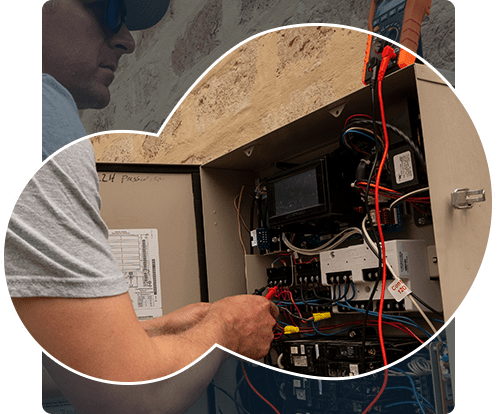
Swimming pool systems depend on electrical components to operate pumps, timers, automation systems, lighting, and other equipment. During extreme summer weather, electrical components may experience additional stress, especially when equipment is exposed to direct sunlight or installed in poorly ventilated areas.
Loose electrical connections, damaged wiring, faulty capacitors, and worn contactors can cause equipment to operate inconsistently. Excessive heat may also make existing electrical problems more noticeable.
Warning signs of electrical problems include:
-
Pool pumps failing to start.
-
Equipment shutting down unexpectedly.
-
Pool lights flickering or not working.
-
Burning smells near electrical equipment.
-
Circuit breakers repeatedly tripping.
Electrical problems should never be ignored. Homeowners should avoid opening electrical equipment or attempting repairs themselves. A qualified professional can inspect the system and safely identify the source of the problem.
6. How Heat Can Damage Pool Seals, Valves, and Connections
Pool seals, valves, and connection fittings are essential for preventing leaks and maintaining proper water pressure. However, prolonged exposure to outdoor heat and changing temperatures can contribute to the deterioration of certain rubber and plastic components.
Pump shaft seals may become worn, resulting in water leaking around the pump. Valve O-rings can lose their ability to create a tight seal, while aging connections may develop cracks or loosen over time.
These problems can affect water circulation and increase the amount of water lost from the pool system.
Regular inspections help identify early warning signs, including moisture around fittings, dripping water, unusual pressure changes, and visible deterioration. Replacing worn seals and damaged connections at the right time can prevent more extensive plumbing and equipment repairs.
7. The Connection Between Water Evaporation and Pool Equipment Problems
High summer temperatures increase swimming pool water evaporation. This is particularly noticeable during extended periods of hot, dry, and windy weather.
Although evaporation is a natural process, excessive water loss can create equipment-related problems when homeowners do not monitor their pool levels.
If water drops below the recommended skimmer operating level, the pump may begin drawing air instead of maintaining proper water flow. This can interfere with circulation and potentially cause pump damage if the problem continues.
Homeowners should monitor water levels regularly and refill the pool when necessary. However, unusually rapid water loss should be investigated because it may indicate a plumbing leak, damaged fitting, or structural issue.
Pool covers can also help reduce evaporation when the swimming pool is not being used. The Environmental Protection Agency recommends covers as one way to reduce water loss from swimming pools.
8. How Poor Water Chemistry Can Increase Pool Repair Requirements
Extreme summer heat does not only affect mechanical equipment. It can also influence swimming pool water chemistry, potentially contributing to damage to pool surfaces and components.
Strong sunlight can break down chlorine, while increased water temperatures and frequent swimming can increase sanitizer demand. If chemical levels are not monitored, water may become difficult to maintain and develop algae or other water quality problems.
Improper pH and calcium hardness levels can also contribute to scaling, corrosion, and surface deterioration.
Some common signs of chemical-related pool problems include:
-
White mineral deposits around pool tiles.
-
Rough or deteriorating pool surfaces.
-
Cloudy or discolored water.
-
Corrosion around metal components.
-
Persistent algae growth.
-
Staining on pool walls and floors.
Regular water testing helps homeowners identify imbalances before they contribute to more serious problems. Professional technicians can evaluate water chemistry and recommend suitable treatments to protect pool surfaces and equipment.
9. Warning Signs That Your Swimming Pool Needs Professional Repairs
Identifying equipment problems early is one of the most effective ways to reduce unexpected repair expenses. Many swimming pool issues begin with small changes in performance that homeowners may overlook.
During summer, equipment often operates under increased demand, making regular observation particularly important.
Here are some warning signs that indicate your pool may need professional attention:
Reduced Water Circulation: Weak water movement through return jets may indicate pump problems, clogged filters, blocked plumbing, or air entering the circulation system.
Unusual Equipment Noises: Grinding, rattling, or loud humming sounds can indicate worn motor bearings, loose components, or mechanical damage.
Frequent Water Loss: Water levels that continue dropping may indicate a plumbing leak, damaged fitting, or structural problem.
Cloudy Swimming Pool Water: Persistent cloudy water may result from inadequate filtration, chemical imbalance, or circulation problems.
Equipment Overheating: Frequent shutdowns, unusual heat, or inconsistent pump operation may indicate ventilation, electrical, or mechanical issues.
When these symptoms appear, arranging a professional inspection can help identify the cause and determine the appropriate repair solution.
10. Preventive Maintenance Tips to Reduce Summer Pool Repairs
Preventive maintenance is important for keeping swimming pool equipment in good operating condition during San Antonio's hot summer season. Instead of waiting for a breakdown, homeowners should follow a consistent maintenance routine.
Consider these practical steps:
-
Inspect Pool Pumps Regularly: Check for unusual noises, leaks, vibration, and reduced circulation.
-
Clean Filtration Systems: Remove accumulated debris and clean filters according to manufacturer recommendations.
-
Maintain Proper Water Levels: Ensure the water remains within the recommended operating range for the skimmer.
-
Check Water Chemistry: Monitor chlorine, pH, alkalinity, and other relevant chemical levels.
-
Keep Equipment Areas Clear: Remove leaves and debris that could restrict ventilation around motors and other equipment.
-
Inspect Plumbing Connections: Look for leaks, damaged fittings, and signs of deterioration.
-
Schedule Professional Inspections: Have pumps, filters, valves, and electrical components inspected before major problems develop.
These maintenance practices can improve equipment performance and help reduce avoidable repair requirements.
11. Why Professional Pool Repair Services Matter in San Antonio
Swimming pool equipment consists of interconnected mechanical, electrical, and plumbing components. When one component stops working correctly, it can affect the performance of the entire swimming pool system.
Professional technicians have the experience and equipment needed to diagnose these problems accurately. They can inspect pumps, identify filtration issues, locate plumbing leaks, evaluate electrical components, and recommend suitable repair solutions.
Choosing professional pool repairs in San Antonio helps homeowners address heat-related equipment problems while protecting their swimming pool investment.
Professional repair services can also help determine whether a component needs a minor repair, replacement, or more extensive attention. This makes it easier to avoid unnecessary expenses and maintain reliable pool operation throughout the swimming season.
Conclusion
San Antonio's extreme summer heat can place significant pressure on swimming pool equipment and increase the possibility of mechanical, electrical, and plumbing problems. Pool pumps may experience additional operating stress, filters can become overloaded with debris, and exposed plumbing components may deteriorate over time. Water evaporation and chemical imbalances can create further challenges for homeowners.
Regular inspections, proper equipment cleaning, water level monitoring, and balanced pool chemistry are essential for reducing these risks. Recognizing early warning signs also helps prevent minor equipment problems from developing into expensive repairs.
Investing in professional pool repairs in San Antonio allows homeowners to maintain their swimming pools more effectively and address equipment issues before they become major concerns. With consistent preventive maintenance and timely repairs, homeowners can enjoy cleaner water, dependable equipment performance, and a more comfortable swimming experience throughout the hot Texas summer.

 English
 Arabic
 French
 Portuguese
 Deutsch
 Turkish
 Dutch
 Italiano
 Russian
 Romaian
 Portuguese (Brazil)
 Greek