


What Should Buyers Know About ERG Flow Energy Storage Battery
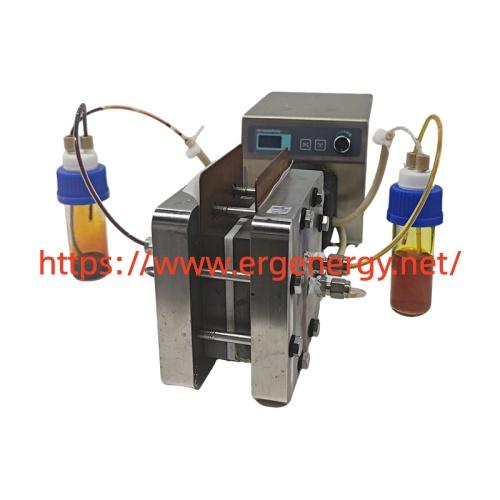
Flow Energy Storage Battery solutions are attracting attention as industries reconsider how electricity can be managed, stored, and used throughout daily operations. With renewable generation becoming an important part of industrial planning, businesses are looking beyond conventional electricity arrangements and considering technologies that can accommodate changing demand. Vanadium redox systems offer an interesting approach because their operating structure differs from conventional solid electrode designs. For manufacturers, engineering teams, and project developers, understanding this technology involves examining materials, component construction, system integration, and practical application requirements.
One particularly interesting feature of vanadium based technology is its use of liquid electrolytes. Unlike conventional designs that keep active materials inside solid electrode structures, this approach circulates liquid solutions through an electrochemical stack. This arrangement creates different possibilities for equipment design and capacity planning. The electrolyte and conversion assembly perform separate functions, allowing engineers to consider their configurations according to the needs of a particular installation.
Material selection plays an important role in product development. Electrolytes, membranes, electrodes, pipelines, and sealing components must work together within a chemical environment. Each material has its own characteristics, including chemical resistance, conductivity, mechanical strength, and compatibility with surrounding components. Selecting suitable materials requires consideration of the intended operating conditions rather than focusing on one individual component.
Electrolyte research is another area attracting attention from manufacturers and scientific institutions. Vanadium solutions participate directly in the chemical reactions responsible for charging and discharging. Their composition and stability can influence the behavior of the entire assembly. Researchers may investigate chemical formulations, material interactions, and methods of improving active material utilization. Aqueous organic chemistry is also receiving attention as developers investigate alternative approaches to electrochemical applications.
When purchasing industrial equipment, companies should begin by identifying their actual operating requirements. A manufacturing facility may have different electricity consumption patterns from a solar installation or a commercial building. Some projects require regular demand management, while others focus on renewable electricity utilization or backup arrangements. Understanding these differences helps purchasing teams communicate their expectations to manufacturers and evaluate suitable configurations.
Product construction deserves equal consideration. The arrangement of tanks, pipelines, pumps, electrical connections, and control components can influence installation planning and daily maintenance. Engineers should consider whether individual parts are accessible for inspection and whether the overall layout fits the available site. Clear component identification and practical connection arrangements can also make commissioning and routine servicing easier for technical personnel.
Another important consideration is how equipment responds to changing operating requirements. Industrial facilities may experience different electricity consumption patterns during working hours, production changes, and seasonal periods. A suitable installation should be evaluated according to the actual load profile, operating schedule, and connection conditions. System monitoring and control functions also help operators observe operating status and coordinate equipment with other electrical infrastructure.
The visual design of industrial equipment is closely connected with practical engineering. A well organized enclosure, logical pipeline arrangement, accessible inspection areas, and clearly positioned electrical connections can make installation and maintenance more convenient. These details may not attract attention during the initial purchasing process, but they can influence the daily experience of installation teams and facility operators. Good structural planning should therefore be considered alongside chemical and electrical performance.
For businesses comparing manufacturers, production capabilities and technical communication deserve careful evaluation. A supplier should be able to explain its component choices, manufacturing procedures, customization possibilities, and quality inspection arrangements. Buyers can also ask whether drawings, samples, or site requirements can be considered during product development. This helps both parties establish realistic expectations before manufacturing begins.
ERG focuses on vanadium redox technology, component manufacturing, electrolyte research, and integrated equipment development. Its product portfolio covers complete industrial systems, conversion stacks, electrolyte materials, and research equipment. The company also works on aqueous organic electrolyte development and structural improvements to core assemblies. These activities connect chemical research with manufacturing experience, providing different product categories for customers with varied technical objectives.
Industrial applications provide another reason to examine this technology carefully. Manufacturing facilities may consider it for demand management, while renewable project developers may evaluate its role in coordinating solar or wind generation with electricity consumption. Grid related projects can also involve requirements for load balancing and operational flexibility. However, every installation needs an individual engineering assessment covering site conditions, electrical connections, operating expectations, and local requirements.
Long term equipment planning should also include maintenance arrangements and technical support. Operators need to understand inspection procedures, component replacement requirements, chemical handling practices, and monitoring methods. Manufacturers that communicate these details clearly can help customers prepare for installation and ongoing operation. This exchange of technical information is valuable when projects involve different engineering teams and installation partners.
As industrial electricity requirements continue to change, equipment selection will increasingly involve careful consideration of materials, construction, application scenarios, and operational planning. ERG combines research and manufacturing activities to serve customers evaluating different electrochemical solutions. Businesses planning a new industrial installation, renewable electricity project, or customized engineering application can visit https://www.ergenergy.net/product/ to review the available product categories and identify equipment options that correspond with their project objectives.

 English
 Arabic
 French
 Spanish
 Portuguese
 Deutsch
 Turkish
 Dutch
 Russian
 Romaian
 Portuguese (Brazil)
 Greek