


Male Chest Contouring in Islamabad: Understanding Modern Gynecomastia Surgery
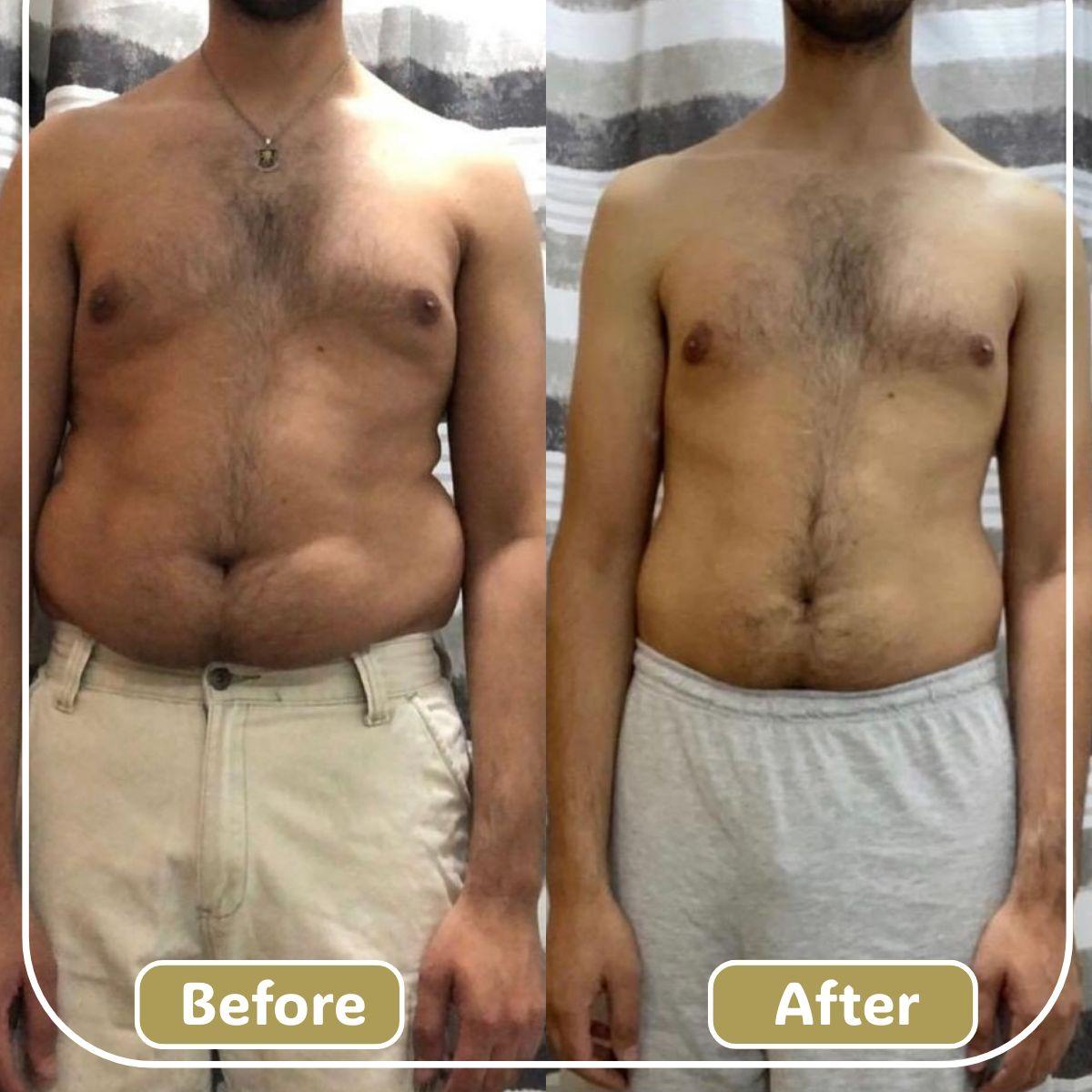
A defined chest is often associated with a balanced male physique, but excess breast tissue can make achieving this appearance difficult for some men. Known as gynecomastia, this condition involves the enlargement of glandular breast tissue and may develop at different stages of life. For men exploring ways to address persistent chest fullness, gynecomastia surgery in islamabad provides information about a surgical option designed to improve chest contours.
Why Does the Male Chest Become Enlarged?
Male breast enlargement can result from changes in the body's hormonal balance. Testosterone and oestrogen both influence breast tissue, and a shift in their relative effects may encourage glandular growth.
Several situations can contribute to this change, including puberty, ageing, certain medications, and underlying health conditions. Weight gain may also increase fat around the chest, creating an appearance similar to gynecomastia.
Because these causes require different considerations, identifying the source of enlargement is an important first step before selecting treatment.
Recognising When Chest Fullness Needs Attention
Some men notice a firm area beneath the nipple, while others experience more general swelling across the chest. The condition may affect one side or both and can sometimes cause tenderness.
Persistent enlargement that does not improve over time may be worth discussing with a doctor. Sudden changes, a hard lump, nipple discharge, or skin abnormalities require medical evaluation to investigate other possible causes.
Early assessment can provide clarity and help patients avoid choosing a cosmetic procedure before understanding their condition.
Is Gynecomastia Always Treated with Surgery?
No. The recommended approach depends on the cause, duration, and severity of breast enlargement. When the condition is related to temporary hormonal changes, it may improve naturally. If a medication or medical condition is contributing, a doctor may recommend addressing that factor.
Surgery may be considered when glandular enlargement remains persistent and causes unwanted changes in chest appearance. It is particularly relevant when developed breast tissue does not respond to weight management or exercise.
A qualified medical professional can explain whether observation, medical management, or surgical treatment is the most appropriate option.
Understanding the Main Surgical Techniques
Gynecomastia correction may involve liposuction, surgical excision, or a combination of both.
Liposuction is used to remove excess fatty deposits through small incisions. It can help create a smoother chest outline when fat contributes significantly to enlargement.
Excision involves removing firm glandular tissue that cannot be adequately addressed through liposuction alone. When both fat and glandular tissue are present, combining techniques may provide a more suitable correction.
The surgeon selects the approach after evaluating the patient's chest anatomy, skin condition, and desired outcome.
Planning Treatment Around Individual Needs
Every patient has different physical features and expectations. A detailed consultation allows the surgeon to assess the amount of tissue, skin elasticity, chest symmetry, and general health.
Patients should discuss their preferred appearance while remaining open to professional advice. The surgeon can explain what is achievable and whether additional investigations are needed before treatment.
A personalised plan also covers anaesthesia, incision placement, expected healing, and possible complications. Understanding these details helps patients prepare with greater confidence.
Recovery and the Importance of Patience
After surgery, swelling and bruising may temporarily affect the chest's appearance. Mild discomfort and changes in skin or nipple sensation can also occur during recovery.
The surgeon may recommend a compression garment to support the treated area. Patients should follow instructions about wound care, medication, and activity restrictions.
Returning to exercise too early can interfere with healing. Heavy lifting and strenuous upper-body movements should be avoided until the medical team confirms they are safe. Follow-up visits allow the surgeon to monitor progress and address concerns.
Maintaining Your Chest Contour Over Time
Surgery removes existing excess tissue, but maintaining a stable body weight remains important. Significant weight changes can affect fat distribution and alter the chest's appearance.
Patients should also follow medical advice if hormonal or health-related factors contributed to their condition. Any new swelling or unusual changes should be assessed rather than assumed to be a normal part of recovery.
Healthy routines can support general wellbeing, although exercise alone cannot guarantee that glandular breast tissue will not develop again.
Selecting Experienced Cosmetic Care
Choosing a clinic requires careful consideration of the surgeon's qualifications, experience, treatment facility, and postoperative support. Patients should receive clear explanations about the procedure and have an opportunity to discuss concerns before making a decision.
Those interested in learning about available cosmetic procedures can visit enfield royal clinic to explore its services and arrange a consultation.
Conclusion
Gynecomastia can affect chest proportions and personal confidence, but its causes and treatment requirements vary. A proper medical assessment helps determine whether surgery is suitable and which technique may be beneficial. With careful planning, realistic expectations, and appropriate aftercare, eligible patients can work towards a more balanced chest appearance.

 English
 Arabic
 French
 Spanish
 Portuguese
 Deutsch
 Turkish
 Dutch
 Italiano
 Russian
 Portuguese (Brazil)
 Greek