


Loewe Bag Leather Care Steps After Buying
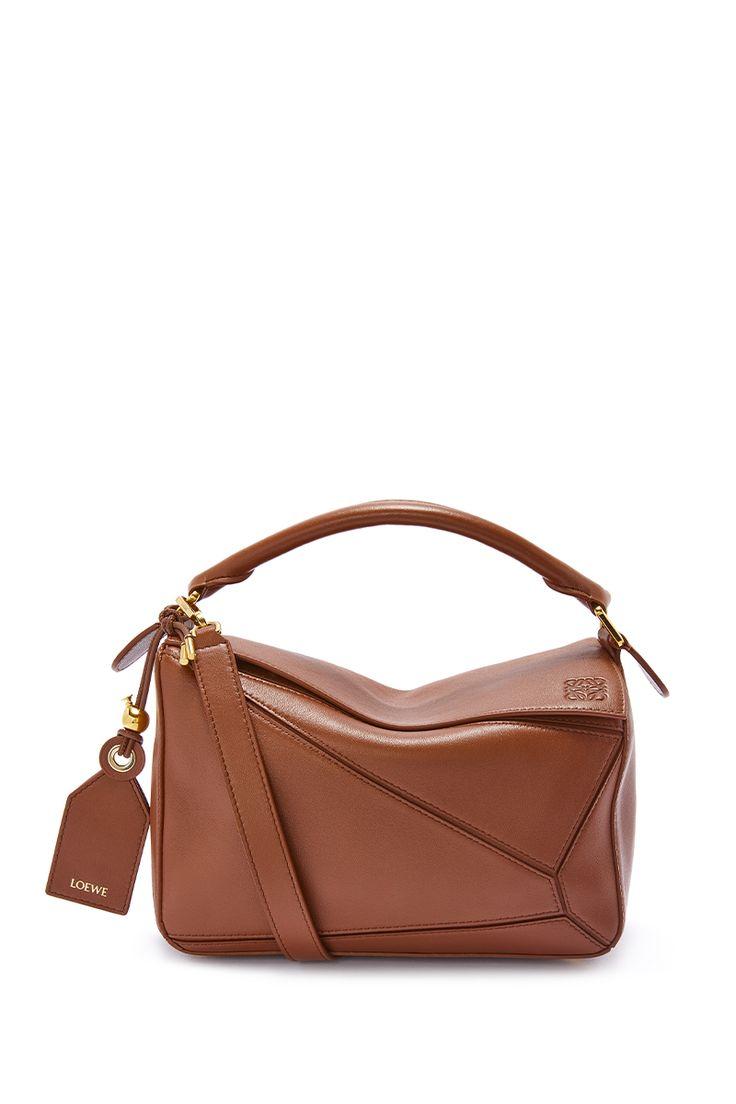
The first week with a new bag sets its habits. Where you put it down, how you store it and what you do about the first scuff all add up. Good habits at the start cost almost nothing, while bad ones show up months later as marks you can't remove.
Here are the Loewe bag leather care steps after buying. Loewe doesn't publish one recipe for every bag, so I'll stick to widely accepted leather care and officialloewe.com say plainly when something is my own judgment. For anything stubborn, the brand or a trained leather specialist has the final word.
Start by Knowing Your Surface
Not every Loewe bag is the same material. Loewe mostly uses nappa lambskin and calfskin, but some styles use suede, canvas or woven raffia. Each behaves differently, so check the product page or your order confirmation for what you bought.
Smooth leather has a slight sheen. Suede feels velvety. Raffia looks woven. If your bag mixes surfaces, care for each part on its own terms, because what suits the leather can ruin the raffia. Loewe began as a leather workshop in Madrid in 1846, and its finish tends to be light, which feels lovely but offers less armor than a heavy coating.
Check the Bag on Day One
Before you carry it anywhere, look it over in good light. Check the leather for scuffs, the stitching for loose threads, the hardware for scratches and the lining for marks. Compare the style and color with your order.
If something is wrong, don't wait. Photograph it, keep the packaging and contact the brand or seller about the return terms. Policies differ by country, and leather goods often need to be unused with the dust bag and packaging intact, so handle the bag gently until you're sure you're keeping it. Take a clear photo of the inner tag too, and save it with your paperwork.
Protect It in the First Weeks
Be a little careful at the start. Avoid dropping the bag on dirty floors, wet pavement or rough surfaces. Keep pens, loose makeup and open drinks away from the lining, because ink and spills are far harder to fix than to prevent.
Think about what touches the leather. Dark denim and new dark clothes can transfer dye onto pale leather, especially in warm or damp weather. If you've bought a light-colored bag, expect to be more watchful.
Store It Properly
When you're not carrying the bag, keep it in its dust bag. The bag protects against dust and scuffs, and it lets the leather breathe better than a plastic cover would. Stuff it lightly with soft paper or a clean cloth so it holds its shape.
Choose a cool, dry spot away from heat and direct sun. Sun can fade color and dry out leather over many months, and a damp closet can do more harm than years of daily use. Don't hang a heavy bag by its handles for long periods, since the weight can stretch them.
Wipe and Dust Gently
The safest care step is also the dullest. Take a clean, soft, dry cloth, such as microfiber or an old cotton T-shirt, and wipe the surface in light strokes. Do it every few weeks, before dust turns into grime.
Most everyday dirt sits loosely on the surface, and a dry cloth removes it without risk. For suede, use a soft suede brush and brush gently in one direction. For raffia, a soft dry brush lifts dust from the weave. Don't press hard on any of them.
Handle Moisture and Marks With Care
Water is leather's biggest enemy. If your bag gets wet, blot it with a soft cloth and let it dry naturally at room temperature, away from heat. Stuff it lightly so it keeps its shape. Never use a hair dryer or a radiator, because heat can stiffen the leather and crack it.
For a light smudge on smooth leather, you can use a cloth dampened with clean water and wrung out until almost dry, but test a hidden spot first. Skip wet wipes, alcohol, household cleaners and hand sanitizer, which can strip color. Ink, grease, dye transfer and deep stains are jobs for a specialist, because scrubbing tends to make them spread.
Rotate and Carry With Thought
Leather likes a rest. If you can, rotate between bags, so one doesn't take all the wear. A bag that's carried daily will soften and gain a gentle glow along the handles and corners, which many owners enjoy.
Don't overload it. A bag stuffed to the brim stretches at the seams and loses its shape. Leave a little space inside, and avoid carrying heavy items that press against one spot, since that can leave permanent dents.
Know When to Ask for Help
Some problems aren't home jobs. A musty smell, visible mold, cracked leather, peeling edges, a split seam or a bag that got soaked all need expert eyes. Ask the brand or a trained leather specialist, and avoid glue or polish on your own, since some products can't be removed.
Loewe offers repair services, though what's possible depends on the model, the damage and the bag's age, and policies can change. Bring photos and your purchase details. A careful repair done early is cheaper than a big one done late.

 English
 Arabic
 French
 Portuguese
 Deutsch
 Turkish
 Dutch
 Italiano
 Russian
 Romaian
 Portuguese (Brazil)
 Greek