


Metal Door Systems for Different Facilities
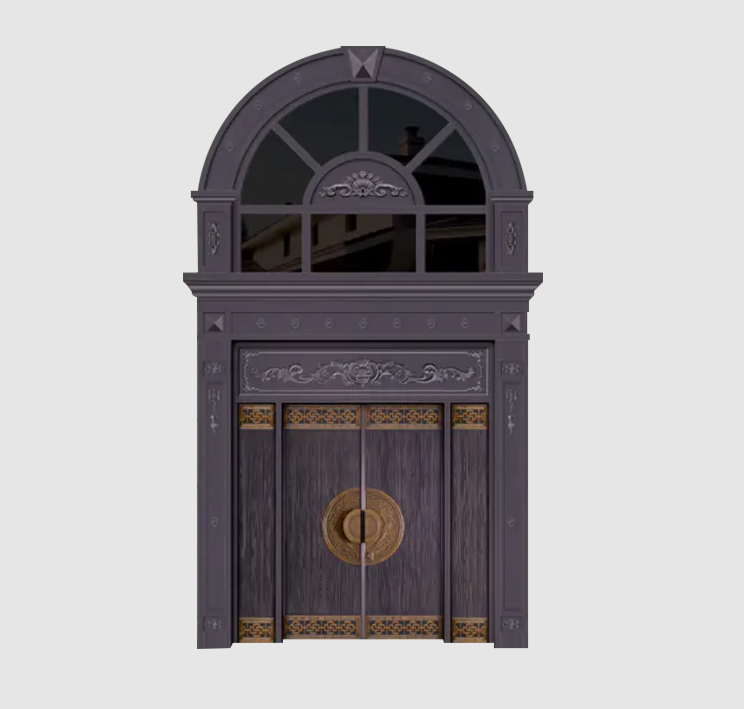
Buildings rarely have identical access requirements. A warehouse entrance, hospital corridor, electrical room, and office partition each serve a different purpose. This is why metal door products are available in multiple structures, finishes, opening styles, and hardware combinations. Selecting a metal door involves more than matching the dimensions of a doorway; the product must also suit the function and technical conditions of the space.
In industrial facilities, steel doors are frequently used for equipment rooms, workshops, storage areas, and production zones. These locations may require a rigid door leaf, reinforced hinges, and locksets compatible with frequent operation. A metal door for a large warehouse opening may use a wider frame and additional structural support, while a personnel entrance can use a single-leaf design with standard access hardware.
Fire-rated metal doors serve another category of building applications. They are commonly installed in designated fire compartments, stairwells, corridors, and service areas. Their performance depends on a tested assembly that may include the door leaf, frame, seals, hinges, closer, and locking components. A fire-rated metal door must match the required rating and installation conditions stated in the relevant project specification.
Acoustic requirements can also influence product selection. In office buildings, conference areas, hospitals, and technical spaces, sound transmission may need to be reduced between rooms. A metal door can incorporate suitable core materials, perimeter seals, and threshold details to support the specified acoustic performance. The complete door assembly, rather than the steel surface alone, determines the result.
Access hardware creates further differences between metal door configurations. Mechanical locks offer straightforward operation, while electronic locks and access-control devices can connect the entrance to a building security system. Door closers help control closing movement, and panic hardware is used in designated emergency exit applications. Hardware selection must consider door weight, usage frequency, opening direction, and relevant building requirements.
Manufacturing flexibility allows a metal door to be adapted to different project drawings. Common variations include single-leaf and double-leaf structures, different frame profiles, adjustable dimensions, glazing positions, and hardware preparation. Some projects also require louvered panels for ventilation or specialized openings for cables and equipment access. These details should be confirmed before production to avoid conflicts during installation.

 Arabic
 French
 Spanish
 Portuguese
 Deutsch
 Turkish
 Dutch
 Italiano
 Russian
 Romaian
 Portuguese (Brazil)
 Greek