


How to Clean Wool Area Rug Without Damaging Its Fibers
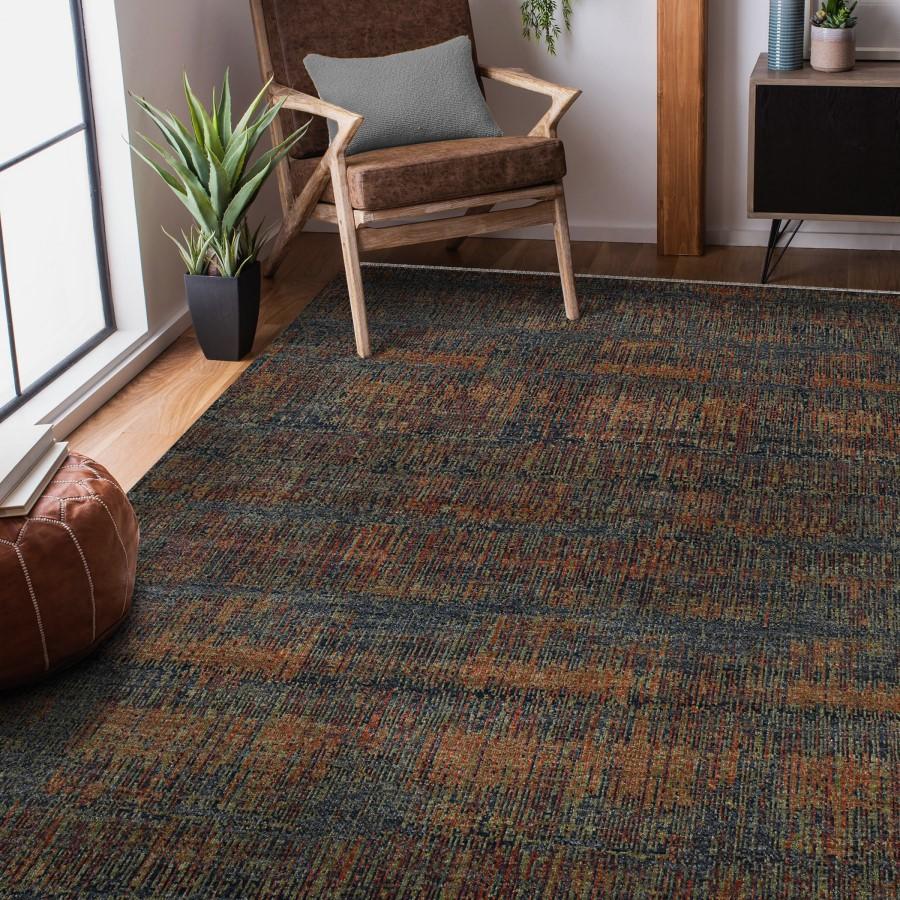
Bringing a genuine wool rug into your home transforms an ordinary room into a warm, grounded sanctuary. Yet the very first time muddy footprints cross the threshold or an evening glass of wine tips onto the pile, that sense of pride can quickly turn into anxiety. Learning how to clean wool area rug without damaging its fibers is essential for anyone who wants to protect their décor investment while keeping their living space fresh and hygienic. Unlike synthetic floor coverings that tolerate harsh chemical sprays and scalding steam, natural wool is a delicate organic protein fiber that demands thoughtful, gentle care. When you understand the biology of wool and follow a calm, methodical cleaning routine, you can lift stubborn dirt, revive faded colors, and preserve soft underfoot luxury for generations.
Why Wool Fibers Require a Specialized Cleaning Approach
To care for wool properly, it helps to picture how each individual strand is built under a microscope. Wool is composed of keratin—the same structural protein found in human hair—and is wrapped in microscopic overlapping scales coated with a natural wax called lanolin. This lanolin barrier gives wool its celebrated ability to repel liquid spills for several crucial seconds while preventing dry dust from bonding immediately to the yarn. At the same time, those tiny overlapping scales catch loose soil near the surface of the pile so it does not sink straight down into the woven foundation.
However, those natural scales react dramatically when exposed to high water temperatures, vigorous friction, or alkaline household cleaners. Rubbing a wet spot aggressively forces the scales to lock together permanently, creating thick, fuzzy mats known as felting. Meanwhile, standard supermarket carpet shampoos, oxygen bleaches, and enzymatic pet cleaners strip away protective lanolin and weaken the protein bonds, leaving fibers brittle, yellowed, and prone to shedding. Understanding this delicate balance empowers you to clean with confidence rather than risking irreversible fiber distortion.
Gentle Dry Soil Extraction
Start by clearing loose surface dust from both the top pile and the underside of the textile. If your rug is manageable in size, carry it outdoors on a crisp, dry morning, drape it over a sturdy porch railing, and tap the back gently with a padded rug beater or wide broom handle to release deeply lodged grit. For larger room-sized pieces, flip the rug face down on a clean floor and run a suction-only vacuum across the backing first to vibrate sand out of the knots. Once you return the rug right side up, vacuum slowly in the direction of the natural nap using a smooth floor attachment, always disengaging rotating beater bars that can pull loops and fray delicate edges.
Testing Natural and Acid Dyes for Colorfastness
Whether you are caring for contemporary woven pieces or learning how to clean oriental wool rugs at home, checking dye stability is non-negotiable. Vegetable dyes and traditional acid dyes can occasionally bleed when dampened with water or mild detergent. Mix a small test batch of cool water with two drops of pH-neutral wool wash, press a clean white cotton cloth dampened in the solution onto an inconspicuous border corner for thirty seconds, and inspect the cloth closely. If any pigment transfers onto the white fabric, pause your at-home wash and consult an artisan rug restoration specialist who can stabilize the dyes safely.
Step-by-Step Guide to Safely Washing Your Wool Rug
Once dry grit is lifted and your colorfastness check passes cleanly, you can proceed with targeted stain removal and gentle surface washing. Keeping water temperatures cool and moisture levels strictly controlled will protect both the wool pile and the underlying cotton or jute warp threads.
Blotting Fresh Spills Without Friction
When an accidental spill occurs, immediate blotting prevents liquid from soaking past the lanolin shield into the core of the yarn. Scoop up any thick solids using the edge of a dull butter knife or spoon, then press a folded stack of dry white terrycloth towels straight down onto the wet area. Always work inward from the outer edge of the spill toward the middle so the stain does not spread wider. Lift and rotate to dry sections of the towel repeatedly until no more liquid transfers, keeping your movements strictly vertical without twisting or scrubbing.
Rinsing Residue and Controlling Air Drying
Leaving even trace amounts of detergent inside wool fibers attracts fresh soil rapidly, causing cleaned areas to look dull within weeks. Rinse the treated section by blotting with a fresh white cloth dampened in plain cold water, followed by a light mist of one part white vinegar diluted in three parts cool water to neutralize alkalinity and restore natural sheen. Press dry bath towels firmly underfoot across the damp pile to absorb remaining moisture, then lay the rug completely flat in a breezy, shaded space away from direct sunlight or space heaters until both the pile and backing feel thoroughly dry.
Practical Advantages and Long-Term Investment Value
Taking twenty minutes each month to practice gentle wool maintenance yields remarkable practical and financial dividends over the life of your home. Because wool naturally resists crushing, repels static electricity, and dampens indoor acoustics, a well-cared-for wool rug easily outperforms synthetic alternatives across decades of daily living. In addition, wool fibers actively absorb volatile organic compounds and balance indoor humidity, creating a healthier, quieter atmosphere in busy family homes.
From an investment standpoint, authentic premium handmade carpets appreciate in character and retain substantial heirloom value when kept free of harsh chemical damage and dry-rot grit. Even antique hand knotted persian rugs that have graced family floors for over a century remain vibrant and supple when maintained with cool water, suction-only vacuuming, and periodic professional immersion washes every few years. Caring for your rug properly turns routine housekeeping into stewardship of enduring craftsmanship.
Essential Preparation Before Applying Any Moisture
Every successful rug cleaning session begins long before a damp sponge ever touches the weave. Dry particulate soil—such as tracked-in sand, quartz grit, and household dust—acts like tiny razor blades beneath foot traffic, slicing through wool yarns every time someone walks across the room. Preparing your rug thoroughly ensures that dry debris is removed safely and that sensitive natural dyes remain stable throughout the wash.
Styling and Comparison Positioning Across Your Home
Every zone of a house places different physical demands on floor coverings, and understanding how wool compares to specialized modern textiles helps you style each room with confidence. In formal gathering spaces and open-concept eating areas, Circle Rugs for Dining Room crafted from dense New Zealand wool soften angular furniture lines while allowing chairs to slide smoothly without catching on loose loops. Similarly, placing a low pile height hallway runner rug in narrow entryways prevents door clearance issues while enduring steady daily foot traffic with minimal crushing.
Mixing and Applying a Wool-Safe Cleaning Solution
For general seasonal brightening or lingering spots, prepare a gentle cleaning bath using cold water and a certified pH-neutral wool detergent, or simply combine one teaspoon of clear, mild dish liquid with two cups of cool water. Submerge a soft natural-bristle brush or clean cellulose sponge into the solution, squeeze out excess liquid until the tool feels barely damp, and stroke lightly along the grain of the pile. Avoid saturating the backing of the rug, because trapped moisture inside natural foundation fibers can trigger shrinkage, musty odors, and brown tannin stains along woven fringes.
When curating interior decorating ideas for home office spaces, layering a richly textured wool piece beneath your desk chair adds acoustic warmth and visual sophistication during video calls while protecting hardwood floors from caster wear. Meanwhile, premium handmade runner rugs bring artisan character to staircases and long gallery corridors where synthetic carpets would quickly flatten or show wear lanes.
How do I protect wool rugs placed underneath office chairs and heavy furniture?
When incorporating wool into interior decorating ideas for home office layouts or living areas, choose a dense, low-to-medium pile construction and place a breathable natural rubber rug pad underneath to prevent slipping and distribute weight evenly. Rotate your rug 180 degrees every six months to equalize sunlight exposure and traffic patterns, and place wide felt or polycarbonate caster cups beneath heavy desk legs. If furniture leaves minor indentations, lightly mist the compressed wool with cool water and gently fluff the fibers upward with your fingers as they dry.
At the same time, modern households often blend natural wool with ultra-convenient washable alternatives in high-splash utility areas. While wool anchors bedrooms and formal lounges, busy cooks frequently place washable kitchen rugs directly in front of the sink and stove so cooking splatters can be laundered weekly in a standard machine. Likewise, families with young children or shedding pets sometimes look at the best machine washable rugs for living room play zones when effortless machine laundering outweighs heirloom longevity, reserving their finest wool rugs for spaces where natural warmth, acoustic comfort, and timeless artistry shine brightest.
Future Potential and Sustainable Rug Care Trends
As homeowners increasingly reject disposable fast-décor in favor of natural, biodegradable materials, wool textiles are enjoying a major resurgence across contemporary interior architecture. Alongside this shift, eco-conscious textile laboratories are introducing plant-based, lanolin-enriching wool conditioners and low-water cold-extraction wash systems that extend rug lifespans without synthetic fragrances or optical brighteners. Embracing gentle, water-wise wool care today ensures your home remains both environmentally responsible and effortlessly inviting for decades to come.
Frequently Asked Questions
How can I safely refresh oriental and hand-knotted wool rugs without professional equipment?
Knowing how to clean oriental wool rugs at home safely comes down to dry soil removal, cool water, and zero scrubbing. Begin by vacuuming both sides of the rug with a suction-only attachment to lift abrasive sand out of the knots, then test a hidden corner for dye bleed using cool water and a drop of pH-neutral wool soap. Lightly wipe the pile in the direction of the nap with a barely damp sponge dipped in diluted wool wash, blot dry with clean white towels, and lay the rug flat to air-dry completely out of direct sunlight.
Are wool rugs practical for high-traffic hallways and dining spaces compared to synthetic rugs?
Yes, dense wool is one of the most resilient natural fibers available for active household zones. A tightly woven low pile height hallway runner rug resists crushing underfoot and hides everyday dust far better than flat polyester, while Circle Rugs for Dining Room layouts benefit from wool's natural lanolin coating, which gives you valuable seconds to blot dropped food before stains set. As long as you vacuum weekly without a beater bar and address spills promptly, wool outperforms synthetic rugs in both durability and appearance retention.
When should I choose machine-washable rugs instead of handmade wool rugs?
Your choice depends on the specific mess profile and maintenance routine of each room. Premium handmade carpets and premium handmade runner rugs deliver unmatched acoustic insulation, plush comfort, and multi-decade longevity for living rooms, hallways, and offices. However, in spaces exposed to daily grease splatters or frequent pet accidents, placing washable kitchen rugs by the sink or choosing the best machine washable rugs for living room family zones allows you to toss the entire textile into your washing machine without worrying about water saturation or lanolin care.
What makes antique wool rugs more delicate during cleaning than modern wool rugs?
Antique hand knotted persian rugs often feature natural vegetable dyes and century-old cotton or wool foundation threads that have naturally lost flexibility over time. Unlike modern machine-tufted pieces backed with synthetic latex, antique weaves can experience dye migration or foundation splitting if soaked with tap water or twisted while wet. Always restrict at-home care on antique pieces to gentle suction-only vacuuming and dry-cloth blotting, entrusting full-surface washing to certified textile conservators who use specialized cold-water immersion and pH-balanced drying tables.
Conclusion
Mastering how to clean wool area rug without damaging its fibers is all about working in harmony with wool's natural structure rather than fighting against it. By prioritizing weekly suction-only vacuuming, verifying dye stability before using moisture, blotting spills immediately with cool water and pH-neutral detergent, and allowing damp weaves to air-dry completely flat, you preserve both the beauty and structural integrity of your rugs. Take ten minutes this week to check your vacuum settings, rotate your favorite wool pieces for even wear, and give your floors the gentle, enduring care they deserve.

 English
 Arabic
 French
 Spanish
 Portuguese
 Deutsch
 Turkish
 Italiano
 Russian
 Romaian
 Portuguese (Brazil)
 Greek