


Gas Training Scotland: Fault Finding Skills Every Gas Engineer Needs
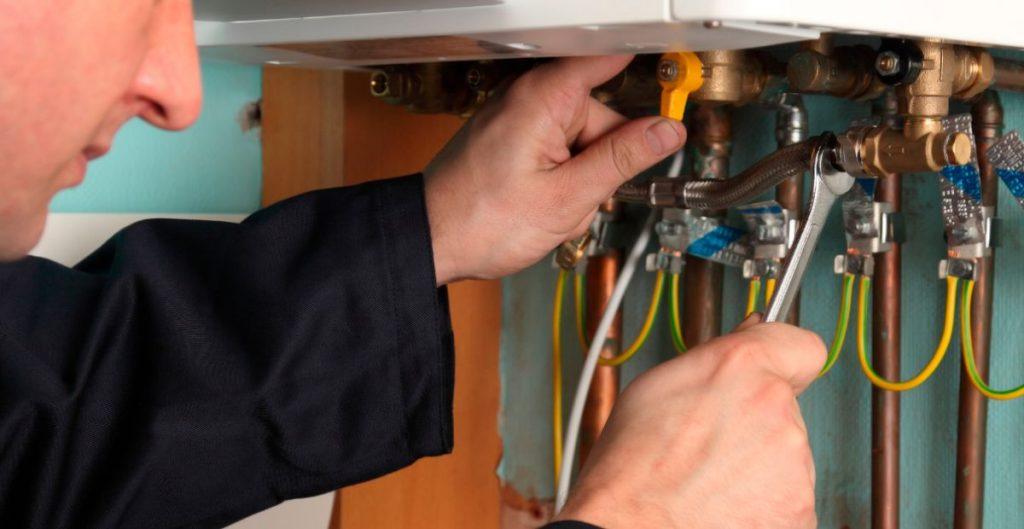
A customer calls because their boiler will not fire, their radiators are cold or their cooker will not light. They are not interested in theory; they want the problem found and fixed. Fault finding is where an engineer's knowledge, logic and experience come together. Good diagnostic skills save time, reduce unnecessary parts and build trust. For engineers who want to sharpen this ability, gas training Scotland provides the foundation in safe, systematic diagnosis.
This guide explains why fault finding matters, how to approach it logically and which faults engineers commonly meet. It also covers tools, safety and ways to build stronger diagnostic skills.
Why Fault Finding Matters
Fault finding separates good engineers from great ones. Customers notice when a problem is fixed quickly and correctly the first time.
Saving Time
A logical approach finds the cause faster, reducing time on site and repeat visits.
Avoiding Unnecessary Parts
Guessing often leads to replacing parts that were working. Accurate diagnosis keeps costs down for customers.
Safety
Some faults have safety implications. Identifying them correctly helps engineers make the right decisions.
Reputation
Engineers who diagnose problems reliably earn repeat customers and recommendations.
A Logical Approach to Fault Finding
The most effective engineers follow a structured process rather than jumping to conclusions.
- Listen to the customer: ask what happened, when it started and whether anything changed recently.
- Observe the symptoms: watch the appliance operate and note exactly what it does or does not do.
- Check the basics: confirm the gas supply, electrical supply, controls and settings.
- Use the information available: consult manufacturer instructions, wiring diagrams and fault codes.
- Test, don't guess: use instruments to confirm what is and is not working.
- Fix and verify: repair the cause, then check the appliance works correctly and safely.
Starting Simple
Many faults have simple causes, such as incorrect settings or a tripped supply. Checking these first can save a lot of time.
Working From Symptom to Cause
Each test should narrow down the possibilities. Practical gas training Scotland helps engineers develop this step-by-step habit.
Common Faults Engineers Meet
While every job is different, some faults appear again and again.
|
Symptom |
Possible areas to investigate |
|---|---|
|
Boiler will not ignite |
Gas supply, ignition, controls, flame detection |
|
No heating but hot water works |
Controls, valves, pump |
|
Low pressure in the system |
Leaks, expansion vessel, pressure relief |
|
Appliance locks out |
Flame detection, flue, gas supply |
|
Cooker burner will not stay lit |
Flame supervision device |
Ignition Problems
Ignition faults can relate to the gas supply, ignition components or flame detection. A systematic check of each area helps find the cause.
Control and Component Faults
Thermostats, valves, pumps and sensors can all fail. Testing each one confirms where the problem lies.
System Faults
Pressure loss, air in the system or blockages can affect performance. These often require checks beyond the appliance itself.
Tools and Information
The right tools and information make fault finding faster and more accurate.
Test Instruments
Engineers commonly use a manometer, a multimeter and a flue gas analyser. Each helps confirm different aspects of appliance operation.
Manufacturer Information
Installation and service manuals, wiring diagrams and fault code guides are essential. They explain how an appliance is meant to work.
Fault Codes
Many modern appliances display fault codes. These point engineers in the right direction, but they should be confirmed with testing.
Keeping Equipment Ready
Instruments should be calibrated and in good condition. Faulty equipment can lead to wrong conclusions.
Safety While Fault Finding
Fault finding often involves working on live systems. Safety must stay at the front of every decision.
Electrical Safety
Many gas appliances include electrical components. Engineers must follow safe isolation procedures and take care when testing live circuits.
Gas Safety
When gas components are disturbed, tightness testing and correct reassembly are essential before the appliance is returned to use.
Combustion Checks
After repairs, combustion analysis helps confirm that the appliance is burning correctly and safely.
Unsafe Situations
If a fault creates an unsafe situation, engineers follow the industry procedure, make it safe where needed and inform the responsible person.
Not Cutting Corners
Pressure to finish quickly should never lead to skipped safety checks. Strong gas training Scotland reinforces the habit of checking every repair.
Building Fault Finding Skills
Fault finding improves with knowledge, practice and reflection.
Learn How Appliances Work
Understanding the sequence of operation helps you see where a process breaks down.
Practise Systematically
Use the same logical steps every time. Over time, this becomes second nature.
Learn From Experienced Engineers
Working alongside experienced colleagues exposes you to faults and solutions you might not otherwise see.
Reflect on Each Job
After a difficult fault, think about what led you to the answer and what you could do faster next time.
Keep Training
New appliances and controls appear regularly. Reassessment and further courses help engineers stay up to date. Ongoing gas training Scotland keeps diagnostic skills sharp throughout a career.
Frequently Asked Questions
What Is the Best Way to Find a Gas Appliance Fault?
Follow a logical process: listen, observe, check the basics, use manufacturer information, test and verify.
Why Shouldn't I Just Replace Parts?
Replacing parts without testing can waste money and may not fix the real cause.
Which Tools Help With Fault Finding?
A manometer, multimeter and flue gas analyser are commonly used, along with manufacturer information.
Are Fault Codes Reliable?
They are a useful guide, but they should be confirmed with testing.
How Can I Improve My Diagnostic Skills?
Learn how appliances work, practise systematically, learn from experienced engineers and keep training.
Conclusion
Fault finding is one of the most valuable skills a gas engineer can develop. By following a logical process, using the right tools and never compromising on safety, engineers can solve problems quickly and build lasting trust with customers.
If you want to strengthen your diagnostic and safety skills, choose training that combines theory with practical work. For gas training Scotland with hands-on teaching and recognised certification, contact Nationwide Training Services on 01506 418798 to discuss your options.

 English
 Arabic
 Spanish
 Portuguese
 Deutsch
 Turkish
 Dutch
 Italiano
 Russian
 Romaian
 Portuguese (Brazil)
 Greek